Japan Deploys AI-Powered Robotics for Fukushima Decommissioning
A new consortium will coordinate autonomous systems to tackle 880 tons of radioactive debris, marking a shift toward machine-led nuclear cleanup operations
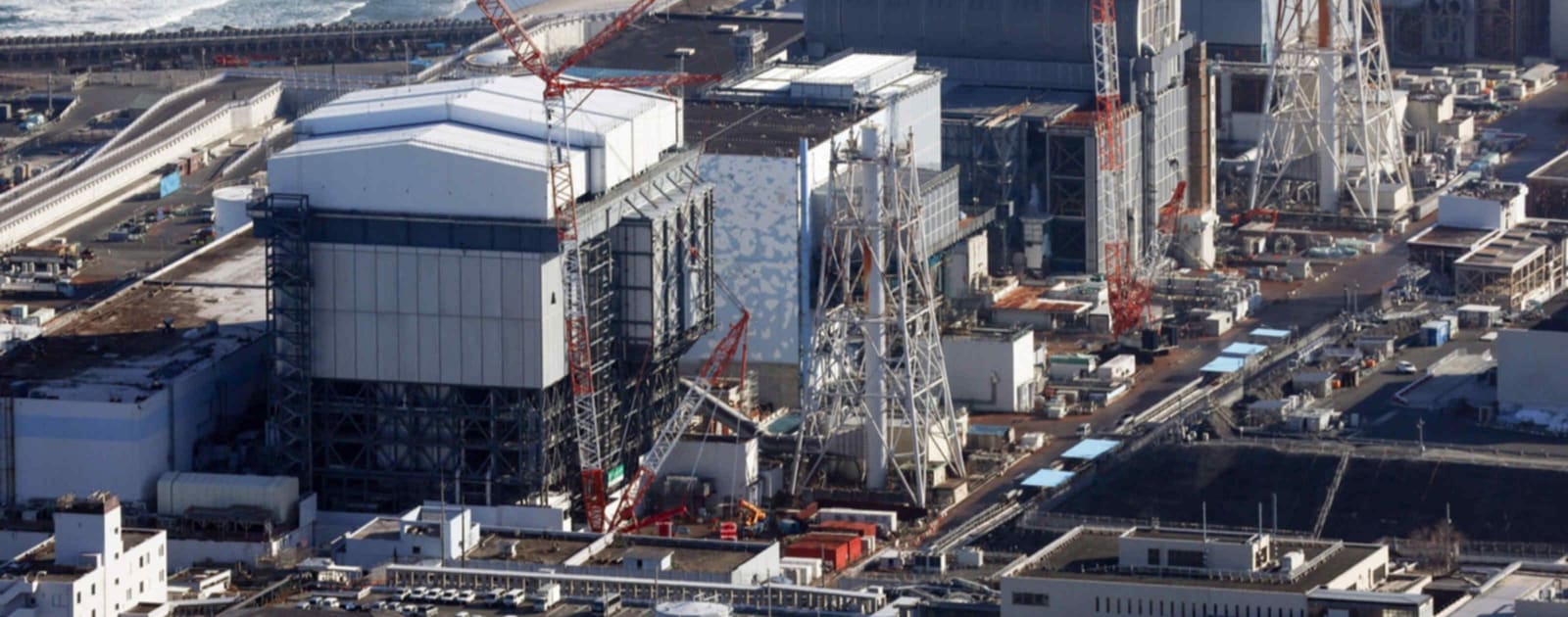
Autonomous Systems Enter the Hot Zone
Thirteen years after the Fukushima Daiichi disaster, the cleanup is about to get a technological overhaul. Tokyo Electric Power Co. Holdings and the Japanese government are preparing to launch a consortium this fiscal year focused on deploying AI-powered robots and drones to remove radioactive debris from three damaged reactors. The challenge is staggering: 880 tons of melted fuel and structural material remain inside containment vessels where radiation levels make sustained human presence impossible.
At DailyTechWire, we've tracked nuclear decommissioning projects across Asia, and Fukushima represents the longest-running test case for robotics in extreme environments. Early robotic missions inside the plant have repeatedly failed due to radiation-induced electronics failures, impassable debris fields, and the sheer unpredictability of melted corium. The shift toward AI-driven systems signals an acknowledgment that pre-programmed robots cannot adapt quickly enough to conditions inside the reactors.
Why Autonomous Decision-Making Matters Underground
The reactors at Fukushima Daiichi present a problem fundamentally different from typical industrial automation. Radiation degrades semiconductors, communication links are unreliable through thick concrete and steel, and the layout of debris changes as removal progresses. Traditional teleoperated robots require constant human input, but signal latency and the cognitive load on remote operators have repeatedly stalled missions.
AI-equipped machines, by contrast, can make localized navigation and grasping decisions without waiting for instructions from a control room. Computer vision models trained on synthetic radiation-damaged environments can identify safe pathways, distinguish between structural steel and fuel debris, and adjust gripping force on materials of unknown brittleness. These are inference tasks, not just pre-scripted routines, and they demand onboard processing even when bandwidth to the surface is intermittent.
The consortium model also reflects a lesson learned from Japan's earlier robotics efforts: no single vendor can solve this alone. TEPCO has tested machines from Toshiba, Hitachi-GE, and international partners, but integration has been ad hoc. A coordinated body can establish common data formats, share radiation-hardened component designs, and pool failure data to accelerate learning. That institutional scaffolding has been missing, and its absence has contributed to the slow pace of debris removal.
The Drone Dimension
Above ground, drones will handle inspection and mapping tasks that currently require scaffolding or human workers in protective suits. Radiation surveys, thermal imaging of cooling systems, and structural integrity checks can all be automated, freeing human staff for higher-level decision-making. More importantly, drones equipped with AI can flag anomalies in real time, such as unexpected hot spots or structural deformation, and reroute inspection patterns autonomously.
Japan's regulatory framework for drones in controlled airspace has matured since 2020, and Fukushima's exclusion zone offers a testing ground without the airspace congestion that complicates urban deployments. The consortium will likely standardize drone platforms and sensor payloads, allowing different teams to operate in the same airspace without collision risk or duplicated coverage.
We see this as a quiet but significant shift in how nuclear operators think about risk. For decades, the assumption was that humans, however exposed to radiation, were more adaptable than machines. Fukushima has inverted that logic: machines can now adapt faster than humans can safely operate, and the bottleneck is no longer hardware but the software and institutional coordination needed to deploy it at scale.
Risks and Realities
The consortium faces non-trivial obstacles. AI models trained in simulated environments often perform poorly when confronted with real-world sensor noise, unexpected materials, or lighting conditions that differ from training data. Radiation itself introduces a unique failure mode: bit flips in memory can corrupt inference results, leading to erratic behavior. Radiation-hardened processors exist, but they lag commercial chips by several generations, limiting the complexity of models that can run onboard.
There is also the question of accountability. If an AI-driven robot damages a containment structure or mishandles debris in a way that increases radiation release, who is liable? TEPCO, the consortium, the software vendor, or the government? Japan's legal framework for autonomous systems in hazardous environments is still evolving, and Fukushima will almost certainly produce test cases that shape future policy.
Finally, the timeline remains uncertain. TEPCO has repeatedly revised its decommissioning schedule, and the 880-ton debris figure is itself an estimate. The consortium's formation is a step forward, but it does not alter the fundamental physics of the problem: the debris is hot, inaccessible, and surrounded by unknowns. AI can improve the efficiency of removal operations, but it cannot compress the decades-long process into years.
What This Means for Nuclear Decommissioning Globally
Fukushima is not the only aging nuclear site facing decommissioning. Reactors across Europe, North America, and Asia will require dismantling over the next three decades, and many contain hazardous materials in configurations that were never designed for robotic access. The lessons learned at Fukushima, both technical and organizational, will set precedents for how the industry approaches these projects.
If the consortium succeeds in creating a reusable platform for AI-assisted debris removal, other operators will adapt it. If it fails, the industry will revert to slower, more conservative methods. Either way, Fukushima remains the crucible in which the next generation of nuclear robotics is being forged, and the outcome will ripple far beyond Japan's coastline.