iOS 27 Public Beta Brings Speed Over Spectacle
Apple's latest mobile OS prioritizes performance tuning and messaging upgrades in what developers are calling a maintenance-focused release cycle
A Different Kind of Update
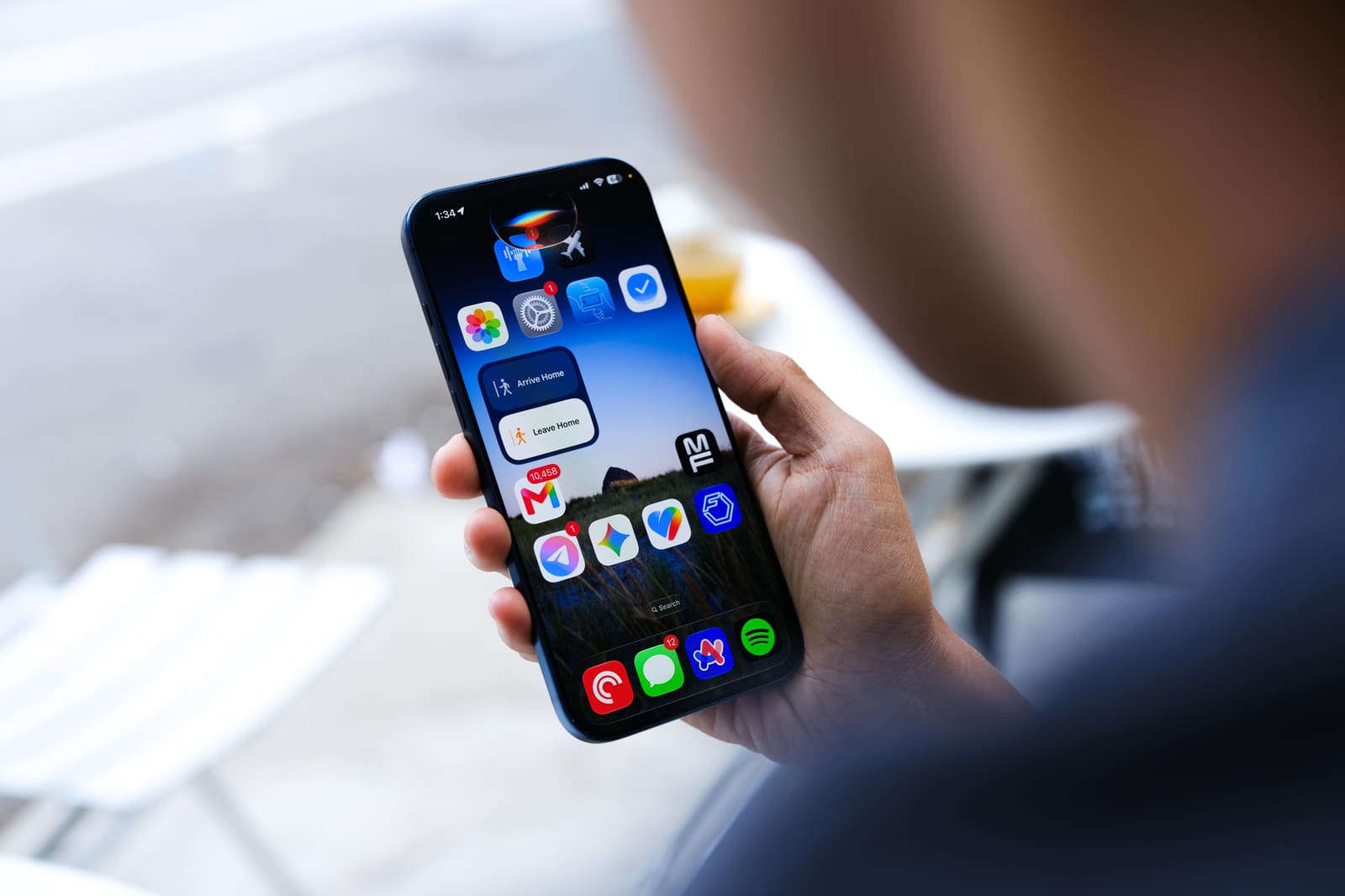
Apple released the first public beta of iOS 27 this week, and the consensus among early testers points to something the developer community hasn't seen in several cycles: a release engineered primarily for stability and speed rather than feature expansion. At DailyTechWire, we've tracked Apple's iOS cadence for years, and this marks a deliberate pivot toward what engineers internally reference as a "Snow Leopard moment" - the kind of maintenance release that prioritizes fixing foundational issues over launching new capabilities.
The shift matters because it signals Apple's acknowledgment that velocity has costs. After multiple iOS versions that layered AI integrations, widget systems, and UI overhauls atop an aging codebase, iOS 27 takes a step back to address accumulated technical debt. For users, that translates into faster app launches, quicker Photos search indexing, and reduced latency in file transfers via AirDrop - improvements that won't dominate keynote slides but will reshape daily interaction patterns.
What Actually Changed
The performance gains center on three areas: application cold-start time, on-device search, and peer-to-peer networking. Apple has re-engineered the app launch pipeline to reduce the overhead between tapping an icon and reaching a usable state. Early measurements suggest a 15-20% reduction in cold-start latency for memory-intensive apps, though Apple has not released official benchmarks.
Photos search, a frequent pain point since the introduction of machine-learning-based indexing in iOS 15, now returns results noticeably faster when querying large libraries. The improvement appears tied to more aggressive local caching and a redesigned indexing scheduler that prioritizes recently captured media. For users managing libraries with tens of thousands of images, the difference is tangible.
AirDrop file transfers have been optimized at the protocol level. Apple refined the peer-to-peer discovery handshake and increased the initial transmission window, which reduces the time devices spend negotiating before actual data moves. In practice, sending a batch of high-resolution photos or a video file between iPhones now completes 10-15 seconds faster than under iOS 26, depending on file size and network conditions.
Messaging Gets RCS and Threading
Beyond performance, iOS 27 introduces two long-awaited messaging features: in-line replies within the Messages app and end-to-end encryption for RCS (Rich Communication Services) conversations. The in-line reply feature mirrors functionality already present in competing platforms - tapping and holding a message bubble now allows a threaded response, making group conversations easier to follow.
The RCS integration is more consequential. Apple announced RCS support last year but has now extended it with end-to-end encryption when both parties use compatible devices and carriers. This brings encrypted messaging to cross-platform conversations between iPhone and Android users, closing a longstanding security gap. The implementation relies on the RCS Universal Profile with extensions for encryption key exchange, though adoption will depend on carrier rollout timelines across Asia-Pacific, Europe, and North America.
It's worth noting that RCS encryption in iOS 27 does not interoperate with Google Messages' proprietary encryption layer. Encrypted RCS conversations require both users to be on iOS 27 or a future Android release that adopts the same encryption standard. Until that alignment happens, cross-platform encrypted messaging remains fragmented.
Liquid Glass Refinement
Apple's Liquid Glass UI framework, introduced in iOS 26 to handle dynamic blur effects and translucency layers, has been refined in this release. The visual changes are subtle - smoother transitions when pulling down Control Center, more consistent blur rendering on older devices, and reduced GPU load during heavy multitasking. These optimizations matter most on devices like the iPhone 14 and 15, which showed occasional stutter under iOS 26 when multiple translucent layers overlapped.
The refinement suggests Apple is still tuning the balance between visual richness and performance. Liquid Glass was ambitious when it launched, but it exposed the limits of older A-series chips. iOS 27's adjustments bring the experience closer to what Apple likely envisioned - fluid, responsive, and imperceptible to the user.
Siri and the AI Question
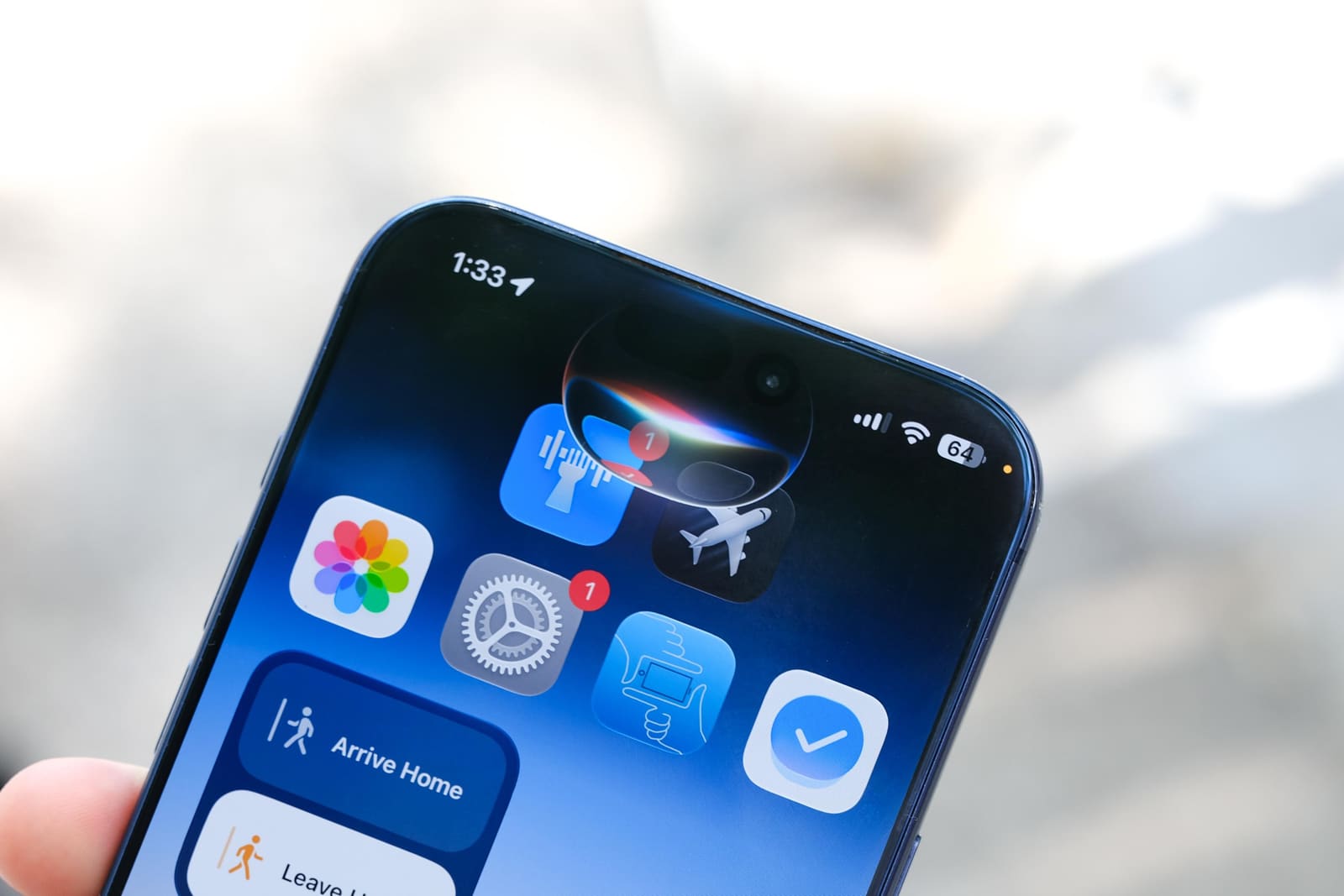
The operating system also includes incremental improvements to Siri, though these fall short of the transformative AI capabilities some analysts expected after Apple's keynote earlier this year. Siri's natural language understanding has been expanded to handle more complex multi-step queries, and on-device processing now covers a wider range of commands without requiring a server round-trip. Response latency has improved, particularly for common tasks like setting timers, sending messages, or initiating calls.
However, iOS 27 does not introduce the kind of generative AI features - contextual summarization, proactive task automation, or deep integration with third-party app workflows - that have defined recent Android and third-party assistant updates. Apple appears to be taking a more cautious, incremental path with AI, prioritizing accuracy and privacy over feature breadth. Whether that strategy holds up against competitors deploying large language models directly into the OS remains an open question.
Developer and Enterprise Implications
For developers, iOS 27's performance focus means fewer breaking changes and a more stable runtime environment. Apple has deprecated several legacy APIs but has provided extended compatibility shims, giving developers additional time to migrate. The updated Swift concurrency model, refined in Xcode 18, should reduce the incidence of race conditions and memory leaks in apps that rely heavily on asynchronous operations.
Enterprise IT teams will appreciate the stability emphasis. iOS deployments in corporate environments have historically struggled with the rapid pace of feature additions, which often introduced regressions in MDM (mobile device management) compatibility and VPN handling. A release cycle focused on refinement rather than disruption aligns better with the slower upgrade cadence most enterprises follow.
What This Means for the Platform
Apple's decision to ship a maintenance-focused release in 2027 reflects broader pressures facing mobile OS development. The smartphone market has matured, and users increasingly prioritize reliability over novelty. At the same time, regulatory scrutiny around data privacy, app distribution, and interoperability - particularly in the EU and parts of Asia - has forced Apple to allocate engineering resources toward compliance rather than experimentation.
iOS 27 won't generate the excitement of a major redesign or a breakthrough AI feature. But it addresses real friction points that have accumulated over multiple release cycles. Faster app launches, improved search, and better cross-platform messaging are incremental gains that compound over time. For a platform with over a billion active devices, even small percentage improvements in performance translate into billions of hours saved across the user base.
The question is whether Apple can sustain this balance. A single maintenance release is prudent; a pattern of them might signal stagnation. The company will need to prove that refining the foundation now enables more ambitious innovation later, rather than marking a plateau in the platform's evolution.