Apple Opens Public Beta Gates for Next-Gen Software Stack
First wave of testers can now run the redesigned Siri assistant, cross-platform performance gains, and refined Liquid Glass interface on production hardware.
The Wait Is Over for Early Adopters
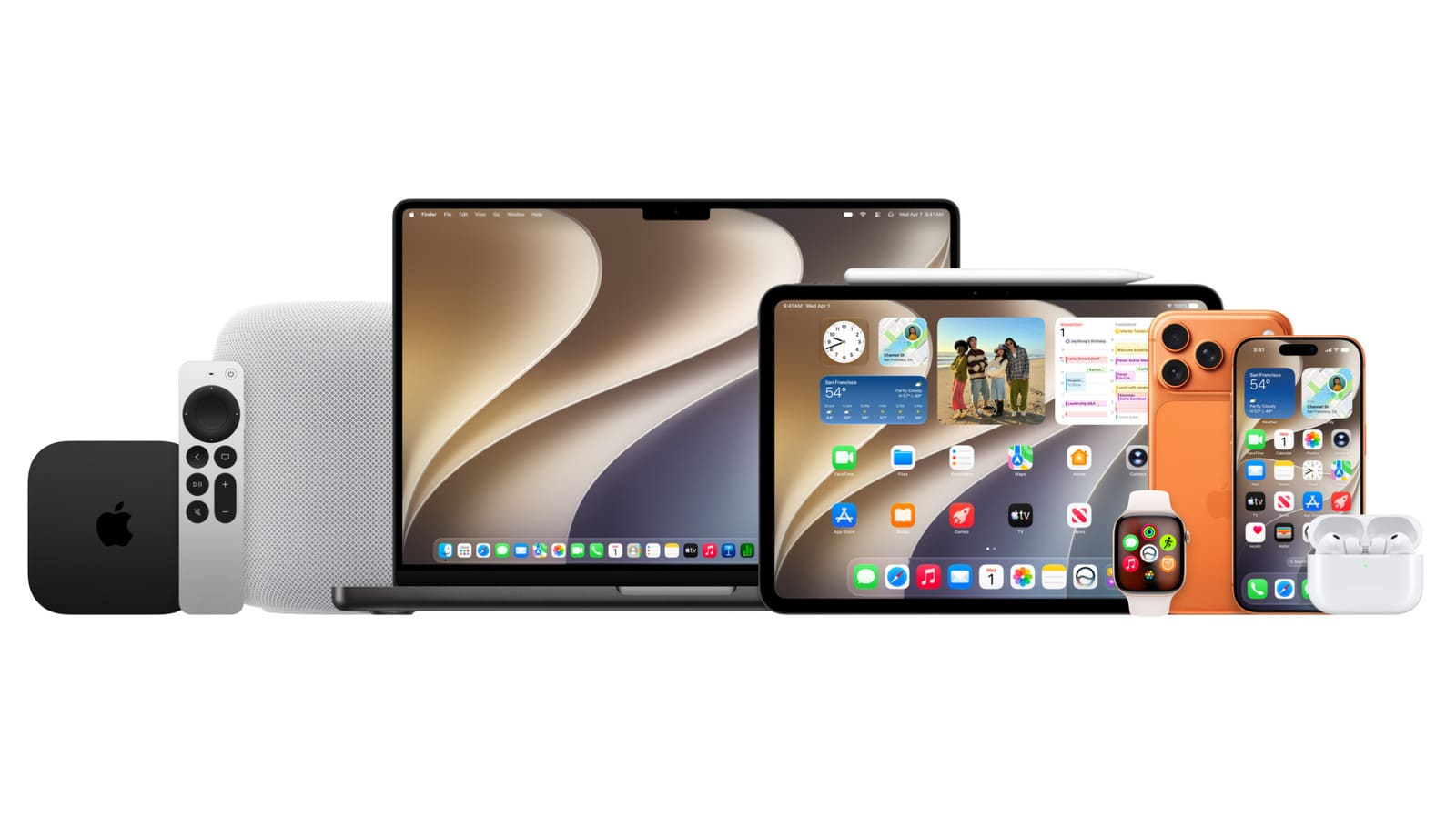
Apple flipped the switch on public beta access for its 2027 operating system lineup, allowing anyone enrolled in the Beta Software Program to install preview builds of iOS 27, macOS 27 Golden Gate, iPadOS 27, and watchOS 27 directly onto their devices. The rollout marks the first time mainstream users can test the conversational Siri assistant and the performance optimizations the company has been promising since the June developer conference.
At DailyTechWire, we've been tracking the evolution of Apple's AI strategy across the region, where developers in Seoul, Bengaluru, and Singapore have been vocal about the need for an assistant capable of multi-step workflows. This public beta represents Cupertino's most aggressive push yet to close the gap with OpenAI-powered competitors and Google's Gemini, both of which have gained traction in Asian enterprise and consumer segments over the past eighteen months.
Conversational Siri: Context, Follow-Up, and Multi-Step Actions
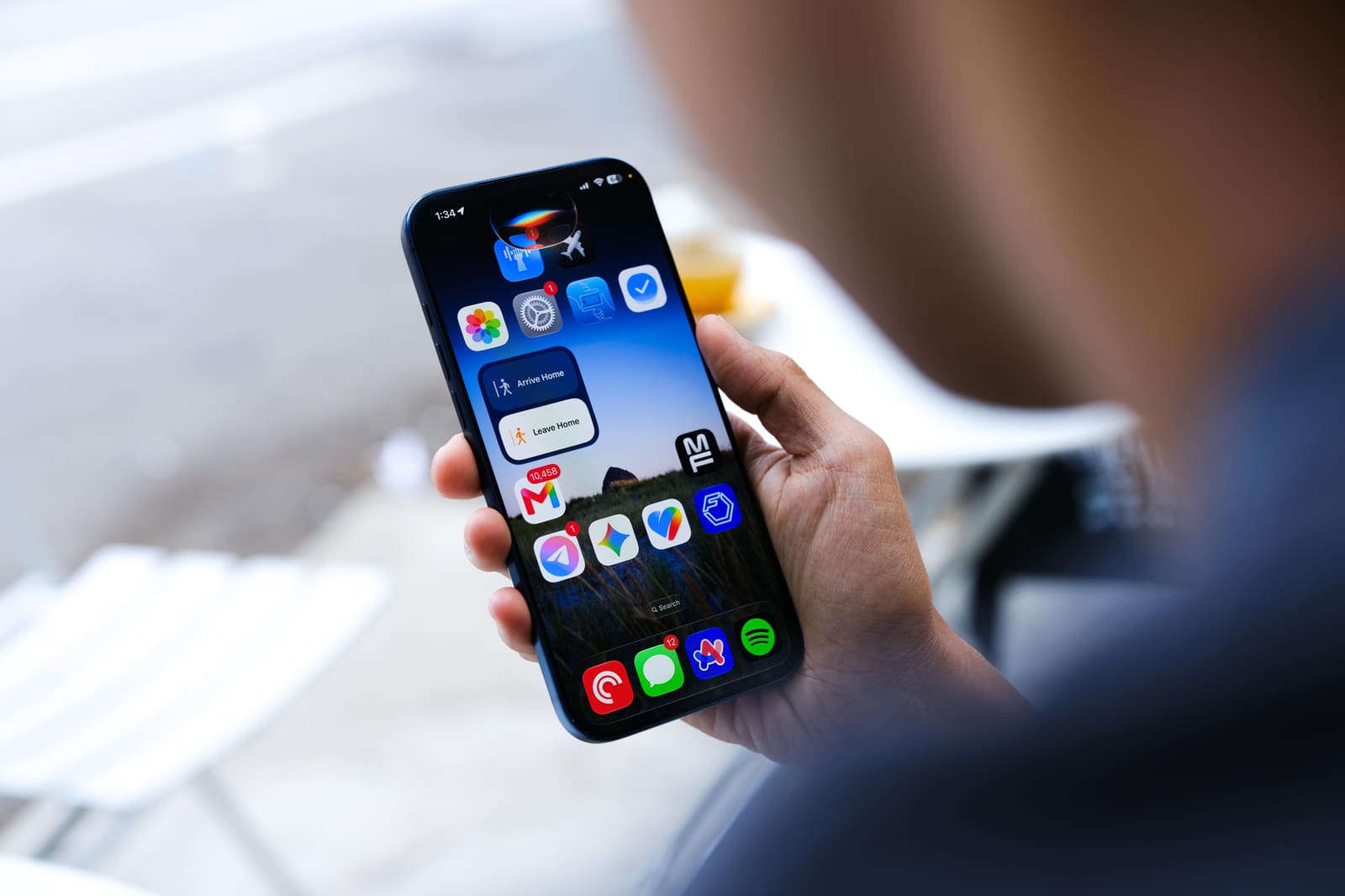
The headline feature is the rebuilt Siri assistant, which transitions from a command-and-response model to a session-based conversational interface. The new version can maintain context across multiple turns, analyze on-screen content, and execute multi-step actions inside third-party apps. Users with recent hardware can adjust voice expressiveness through a slider, and a dedicated Siri app now logs interaction history for review.
Apple Intelligence-capable devices running the public beta should gain access to the new assistant, though some users may encounter a waitlist during the initial rollout. The feature launches in English only, and European Union users remain locked out due to ongoing regulatory discussions around AI training data and user consent frameworks. That exclusion mirrors the company's cautious approach in markets where the Digital Markets Act and AI Act have created compliance uncertainty.
Beyond voice interaction, the Apple Intelligence suite brings expanded photo-editing capabilities. Spatial Reframing adjusts composition after capture, the Extend tool fills in areas beyond the original frame, and an upgraded Clean Up function removes unwanted objects with fewer artifacts. Image Playground, the company's on-device generative model, now produces photorealistic outputs alongside the existing illustration and sketch styles.
Speed Claims: 30 to 80 Percent Gains
Apple is advertising substantial performance improvements that touch nearly every part of the user experience. App launch times are reportedly up to 30 percent faster, newly captured photos surface in the library up to 70 percent faster, and AirDrop file transfers can reach speeds up to 80 percent faster than the current release.
These are bold claims, and the real-world impact will depend heavily on device age and workload. Early impressions from developer beta testers suggest the gains are most pronounced on A17 and M2-generation silicon, where the company has likely optimized memory management and background task scheduling. For users in bandwidth-constrained environments common across Southeast Asia and South Asia, the AirDrop acceleration could prove meaningful during field operations or on-site collaboration.
Performance tuning also extends to iPadOS 27, where external SSD transfers are now said to match Finder speeds on macOS. Apple claims file copy operations between iPad and solid-state drives run up to five times faster, a change that could make the tablet a more credible tool for video editors and photographers working in Jakarta, Manila, or Ho Chi Minh City, where desktop setups are less common.
Safari, Passwords, and Automation Refinements
Safari gains two practical features aimed at reducing tab sprawl and tracking e-commerce inventory. Automatic tab grouping organizes open pages by topic or project, while a Notify Me function monitors specific URLs for price drops or restock events. The latter is particularly relevant in markets where flash sales and limited-inventory drops dominate online retail, from Flipkart in India to Shopee across ASEAN.
The standalone Passwords app, introduced last year, now scans for weak credentials and can automatically rotate them with supported services. This capability leans on the same WebAuthn and password-manager APIs that third-party tools like 1Password and Bitwarden use, but the native integration may appeal to users who prefer to consolidate authentication within the Apple ecosystem.
Shortcuts, the company's visual automation tool, now accepts natural-language descriptions to generate workflows. A user can type "email me a summary of my calendar every morning at 7 a.m." and the app will attempt to construct the corresponding automation. This lowers the barrier for non-technical users, though the feature's accuracy will hinge on the underlying language model's ability to disambiguate intent and map it to available actions.
Liquid Glass Adjustments and Design Polish
iOS 27 also addresses criticism of the Liquid Glass interface overhaul introduced last year. The translucency and blur effects, which some users found distracting or hard to read in bright sunlight, now include a customization slider and improved contrast ratios. macOS 27 Golden Gate extends the design language with uniform toolbars, edge-to-edge sidebars, and refined window chrome that aligns more closely with the spatial computing aesthetic debuted in visionOS.
These are iterative changes, but they signal Apple's willingness to walk back aggressive design decisions when user feedback is consistent. The ability to dial down visual effects without toggling accessibility modes is a pragmatic concession, especially for professionals who prioritize legibility over aesthetics during long work sessions.
watchOS 27 and the AirPods Beta
Siri AI will arrive on Apple Watch, where the assistant's ability to answer context-aware questions mid-run or during commutes could prove more useful than on larger screens. watchOS 27 introduces a Dynamic App Grid that surfaces frequently used apps based on time, location, and activity type. A new single-tap gesture lets users expand Smart Stack widgets for more detail, while the existing double-tap gesture continues to handle scrolling.
Menstrual cycle tracking expands to include perimenopause and menopause stages, and Workout Buddy, the company's fitness companion, gains offline functionality, deeper analytics, and Spanish-language support. The offline mode is particularly relevant for users in regions with inconsistent cellular coverage or those who prefer to leave their iPhone behind during exercise.
A separate public beta for AirPods firmware adds a custom equalizer, an adaptive audio slider, and a redesigned settings interface accessible through iOS or macOS. These features bring AirPods closer to parity with competitors like Sony and Bose, which have long offered granular tuning options.
iPadOS: Pencil Integration and Transfer Speed
iPadOS 27 inherits nearly all iOS 27 features but offers little that is iPad-specific. Visual Intelligence, the screenshot-based analysis tool, now works with Apple Pencil: users can circle an object or text on screen to trigger a lookup or translation. It's a small interaction detail, but it aligns with the company's effort to make the stylus feel more integrated across system functions.
The external storage performance boost is the other notable addition. Apple claims SSD transfers are now as fast as Finder on Mac, a statement that, if validated, would remove one of the longstanding complaints from creative professionals who have tried to adopt iPad as a primary device.
Installation Path and Stability Trade-Offs
Users who want to test the software must enroll in the Apple Beta Software Program, then navigate to Settings, General, Software Update, and select the appropriate 27 beta under the Beta Updates section. The company recommends installing beta builds on secondary devices, though many users will inevitably run them on primary hardware.
Battery drain, app crashes, and unexpected behavior are common in early beta releases. Apple's Feedback app is the primary channel for reporting issues, and the company relies on this crowdsourced data to prioritize bug fixes ahead of the public launch expected in September. For those seeking a safer balance between new features and stability, waiting until the second or third public beta iteration is a reasonable strategy.
What This Means for Apple's Competitive Position
The public beta release accelerates the feedback loop at a moment when Apple faces intensifying competition in AI-driven assistants and cross-device productivity. Samsung's Galaxy AI suite, integrated across its flagship phones and tablets, has gained traction in Asian markets where the company holds strong retail presence. Google's Gemini, meanwhile, is being embedded into Workspace tools used by enterprises from Tokyo to Sydney.
Apple's decision to gate Siri AI behind recent hardware and exclude the EU from the initial rollout reflects both technical constraints and regulatory caution. The English-only launch also limits near-term adoption in non-Anglophone markets, though the company has historically expanded language support in subsequent point releases.
The performance improvements, if they hold up under diverse real-world conditions, could extend the usable lifespan of older devices and reduce upgrade pressure in price-sensitive markets. That would be a welcome shift in a region where affordability remains a primary barrier to Apple ecosystem adoption.
For developers in Asia who have been building integrations with the new Siri APIs, the public beta expands the testing population and surfaces edge cases that internal QA teams and limited developer previews cannot catch. The next two months will determine whether the conversational assistant can handle the linguistic diversity, app fragmentation, and connectivity variability that define the region's mobile landscape.