Apple Opens Public Beta Testing for Its Fall Software Lineup
iOS 27 and companion OS releases enter public preview with a rebuilt Siri that finally delivers on AI promises - but the usual beta caveats apply.
A Long-Awaited Siri Overhaul
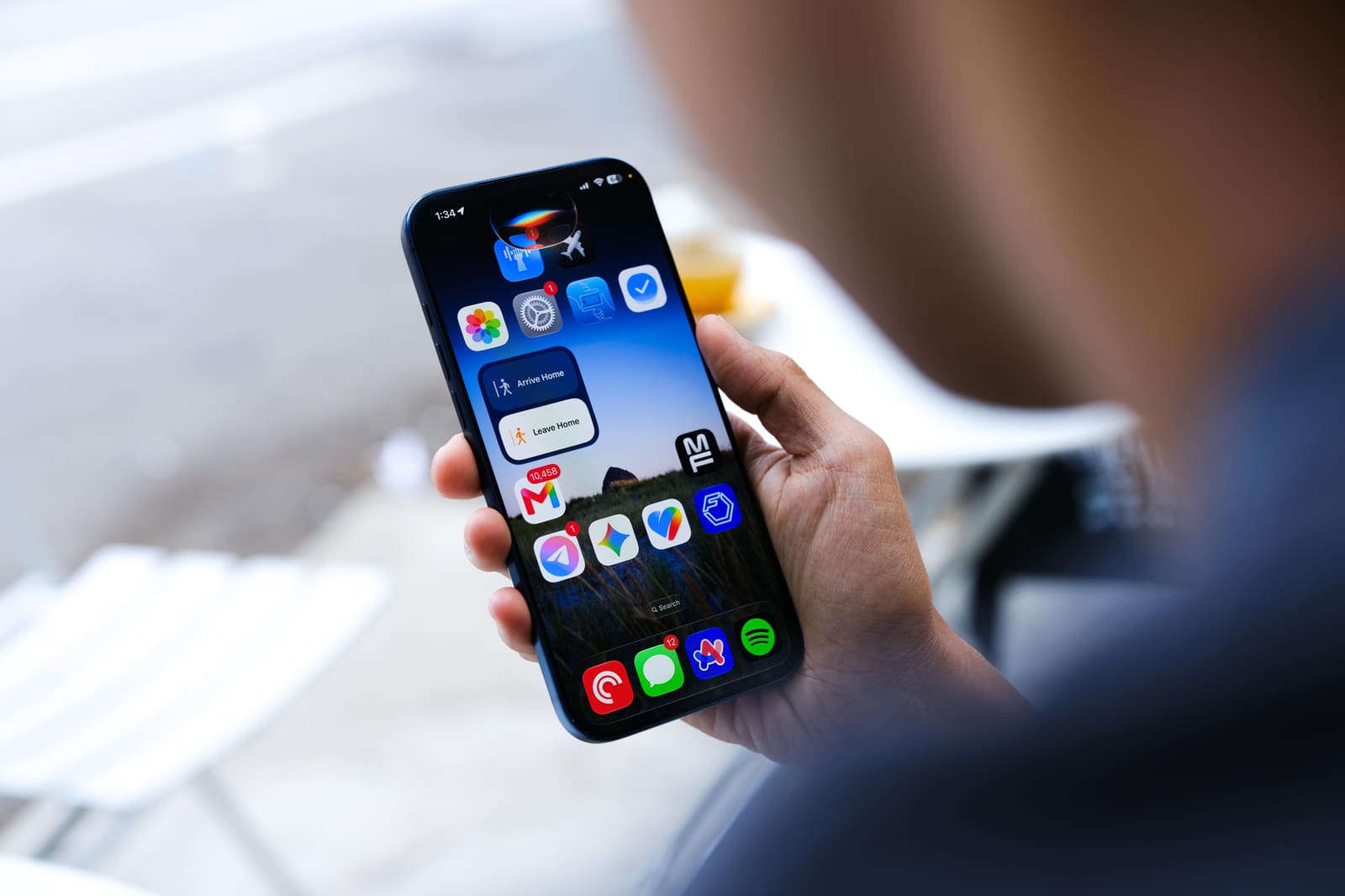
Apple has opened its fall 2026 software suite to public beta testers, and the centerpiece is unmistakable: a rebuilt Siri that leverages on-device AI in ways the assistant never has before. The company announced iOS 27, iPadOS 27, watchOS 27, and macOS 27 Golden Gate for preview testing, with general availability planned for later this year.
At DailyTechWire, we've tracked Apple's assistant strategy through years of incremental updates and mounting criticism. This release represents the first substantial architectural shift since Siri's debut, moving core inference workloads onto the device rather than relying primarily on cloud endpoints. Early impressions suggest the change delivers tangible improvements in response accuracy and latency, though Apple has opted for concise replies over the verbose outputs some competing assistants favor.
The public beta release follows the usual developer preview cycle that began in June. By opening access to a broader testing pool now, Apple aims to surface edge-case bugs and performance issues across a wider range of hardware configurations and usage patterns before the fall launch window.
What Siri AI Actually Changes
The "Siri AI" branding signals more than a marketing refresh. Under the hood, the assistant now runs a series of smaller, task-specific models fine-tuned for common queries - weather, timers, messaging, calendar management - rather than routing every request through a monolithic cloud stack. This architecture reduces round-trip time and allows Siri to function more reliably in low-connectivity scenarios.
Responses are noticeably terser than previous iterations. Where earlier versions of Siri might pad answers with conversational filler, the AI-driven variant prioritizes directness. For users who found Siri's verbosity grating, this is a welcome shift. For those who appreciated a more natural cadence, it may feel abrupt.
Apple has not disclosed specifics about model size, parameter count, or training datasets, consistent with its historical reluctance to detail underlying AI infrastructure. What is clear is that the company has invested heavily in on-device inference acceleration, likely leveraging the Neural Engine silicon present across its A-series and M-series chips.
The Broader Software Refresh
Beyond Siri, iOS 27 introduces refinements to notifications, lock screen customization, and the Photos app. iPadOS 27 brings improved multitasking gestures and expanded external display support, building on the Stage Manager foundation introduced in prior releases. WatchOS 27 focuses on fitness tracking enhancements and new complications for third-party apps. MacOS 27 Golden Gate - named after San Francisco's iconic bridge - iterates on window management and Continuity features that tie the desktop experience more tightly to iPhone and iPad workflows.
None of these updates constitute radical departures. Apple's software cadence has settled into a rhythm of steady, year-over-year improvement rather than dramatic reinvention. The Siri overhaul is the outlier, representing a multi-year engineering effort that the company has clearly positioned as the flagship feature of this release cycle.
Public Beta Considerations
Public betas serve a dual purpose: they expand the testing surface for Apple's quality assurance teams, and they offer enthusiasts early access to upcoming features. The trade-off is stability. Beta software ships with known and unknown bugs, incomplete features, and compatibility gaps with third-party apps.
Battery life is often the most visible casualty. Pre-release builds typically include verbose logging and unoptimized code paths that drain power faster than final releases. Performance hiccups, app crashes, and UI glitches are common. For users whose devices are mission-critical - primary work phones, for instance - waiting for the public release remains the prudent choice.
Apple provides a straightforward path to roll back to the current stable release, but the process requires a full device restore and may result in data loss if backups are not current. Users considering the beta should ensure they have recent iCloud or local backups before proceeding.
The Competitive Context
Apple's Siri refresh arrives as the broader AI assistant landscape has grown increasingly crowded and capable. Google Assistant, Amazon Alexa, and a wave of newer entrants powered by large language models have raised user expectations for what voice interfaces can accomplish. Apple has historically lagged in this domain, with Siri frequently cited as the weakest link in the company's ecosystem.
This release appears designed to close that gap, at least partially. By prioritizing on-device processing, Apple leans into its privacy-centric positioning - a strategic differentiator as regulatory scrutiny of cloud-based AI intensifies across Europe and Asia. The approach also aligns with the company's silicon roadmap, which has increasingly emphasized machine learning acceleration at the chip level.
Whether Siri AI can match or exceed the capabilities of competitors remains to be seen. The public beta will provide the first large-scale test of the system under real-world conditions, across diverse accents, languages, and use cases. Apple's fall launch timeline gives the company several months to iterate based on feedback and telemetry data collected during the preview period.
What Comes Next
The public beta phase typically runs through late summer, with a final release candidate appearing in September ahead of the iPhone 16 launch. Apple will likely time the general availability of iOS 27 to coincide with new hardware, as it has for the past decade.
For developers, the beta window is critical. Apps that rely on Siri integrations, SiriKit extensions, or voice shortcuts will need testing and potential updates to ensure compatibility with the new AI-driven backend. Third-party developers have reported that existing Siri integrations largely continue to function, but some edge cases require adjustment.
The success of this release will hinge on whether the Siri improvements feel substantive to everyday users, not just to reviewers and early adopters. Apple has set expectations high by branding the update around AI and positioning it as a flagship feature. Delivering on that promise - consistently, across millions of devices and use cases - is the real test ahead.