The Invisible Component Shortage Threatening AI Infrastructure Expansion
Multilayer ceramic capacitors, the unsung workhorses of electronics, are disappearing from global inventories as server manufacturers race to meet AI compute demands.
The Rice Grain-Sized Bottleneck
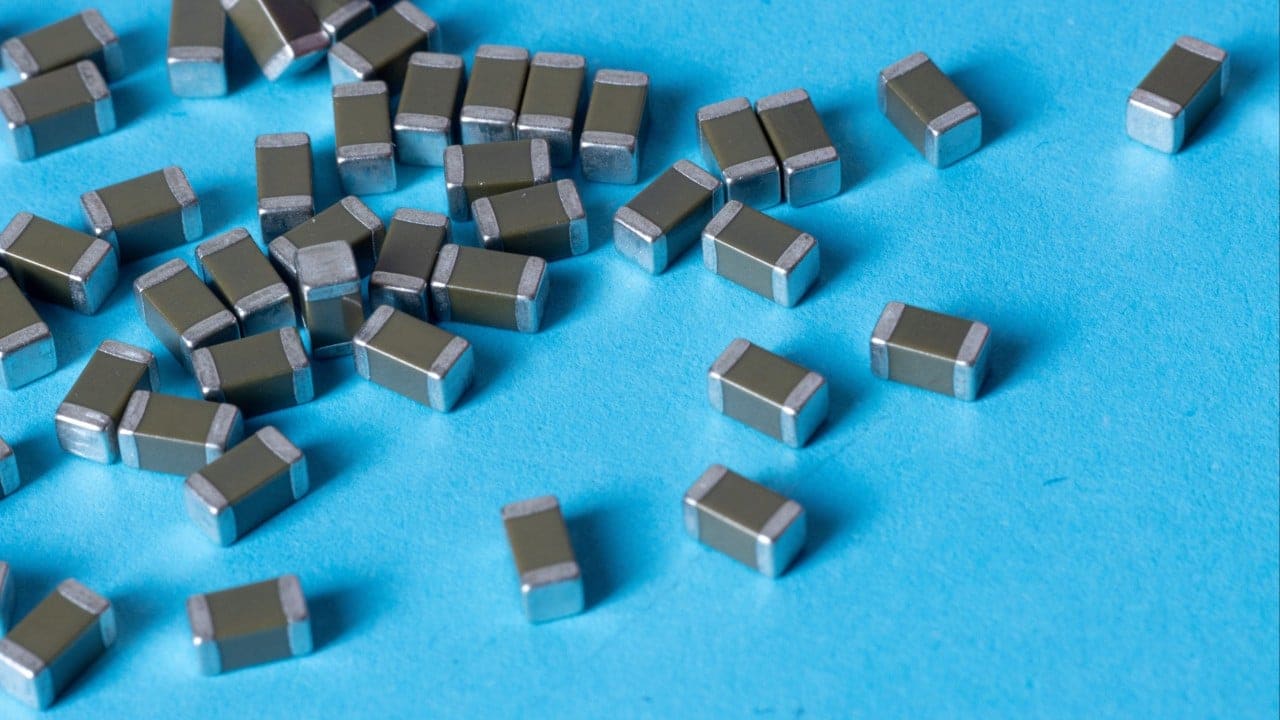
While industry analysts debate GPU allocations and data center power consumption, a less glamorous constraint is quietly tightening across the AI infrastructure supply chain. Multilayer ceramic capacitors, components so ubiquitous they've earned the nickname "the rice of the electronics industry," are vanishing from distributor shelves at rates the sector hasn't seen before.
These fingernail-sized parts function as electrical shock absorbers on circuit boards, smoothing voltage fluctuations and filtering noise. A single smartphone might contain several hundred. A high-performance AI training server? That number climbs into the thousands, sometimes tens of thousands, depending on architecture. As hyperscalers and cloud providers place orders for next-generation compute clusters, the math becomes uncomfortable: each percentage point of AI server market growth translates to millions of additional capacitors per quarter.
Global distributor inventory volumes dropped 8 per cent in the four weeks leading up to early August, reaching the lowest levels industry trackers have recorded. The decline isn't seasonal, and it isn't temporary. It reflects a structural mismatch between manufacturing capacity built for consumer electronics cycles and the appetite of an infrastructure buildout that shows no signs of moderating.
Capacity Built for Yesterday's Demand
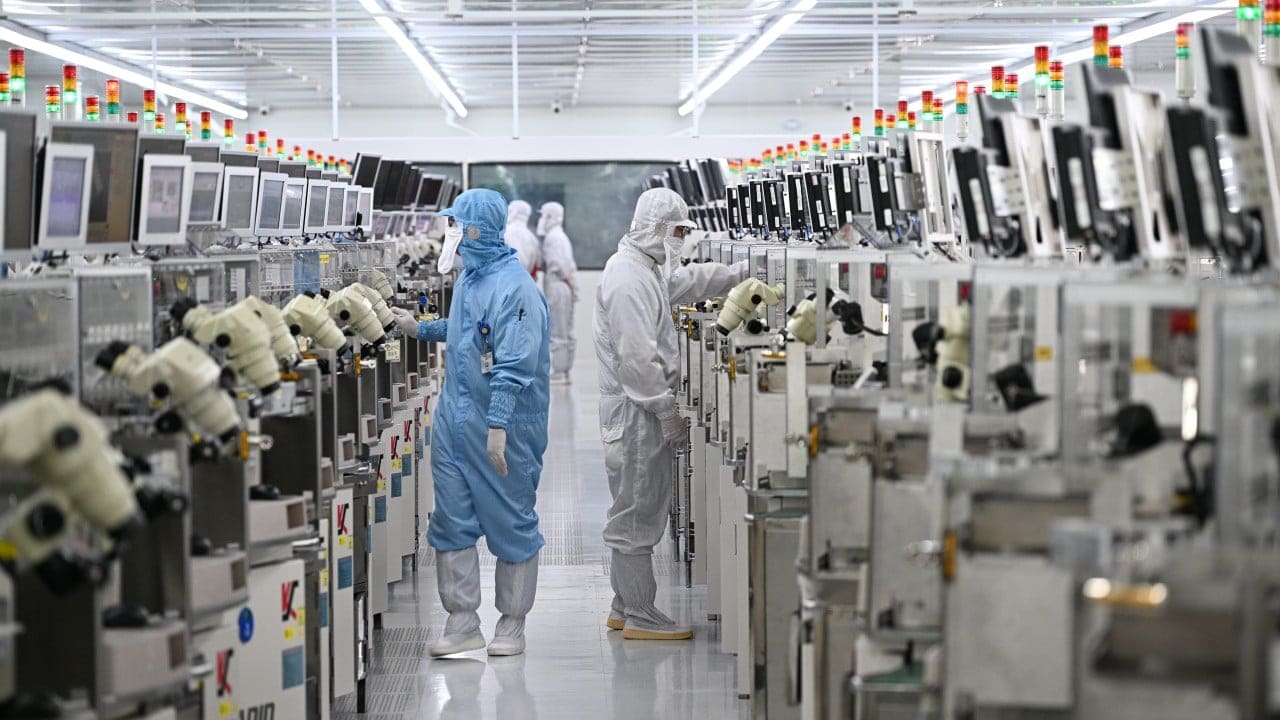
The MLCC manufacturing landscape was shaped by decades of smartphone, laptop, and automotive demand, markets with predictable seasonality and incremental growth. Production lines were tuned for components measuring 0.4mm by 0.2mm, optimized for mobile devices where board real estate is precious. AI servers, by contrast, favor larger form factors and higher capacitance ratings, components that require different ceramic formulations, longer sintering times, and tighter quality control.
Retooling a production line isn't trivial. The ceramic slurry chemistry, layer stacking precision, and electrode printing parameters all shift when moving from consumer-grade to server-grade parts. Lead times for new manufacturing equipment stretch six to nine months. Even after installation, yield rates on unfamiliar product mixes can languish for quarters as engineers optimize processes.
Japanese and South Korean manufacturers dominate global MLCC production, a concentration that amplifies supply inflexibility. When demand surges in one application segment, the industry can't simply redirect output from other regions or competitors. The handful of firms with the technical capability to produce the high-reliability capacitors required for AI infrastructure are already running multi-shift operations. Expanding capacity means building new fabs, a process measured in years, not quarters.
The Server Architecture Multiplier
AI accelerators demand cleaner, more stable power delivery than general-purpose processors. Every GPU or TPU on a server board is surrounded by arrays of capacitors that handle transient current spikes during inference or training workloads. As chip designers push clock speeds higher and cram more compute into each socket, the capacitor count per board climbs proportionally.
Industry engineers describe a "capacitor tax" embedded in next-generation server designs. A two-socket x86 server might require 800 to 1,200 MLCCs. An eight-GPU AI training node can easily exceed 5,000, with some dense configurations approaching 8,000. When a hyperscaler orders 50,000 servers for a new data center campus, that translates to 250 million to 400 million capacitors, a volume that would have supplied entire smartphone production runs a decade ago.
The shift isn't limited to training infrastructure. Inference servers, deployed at edge locations and in enterprise data centers, are proliferating faster than training clusters. While each inference node uses fewer capacitors than a training server, the deployment scale is an order of magnitude larger. The distributed nature of inference workloads means capacitor demand is spreading beyond the handful of mega-scale cloud providers into thousands of mid-tier deployments.
Supply Chain Friction Points
Distributors, the intermediaries between manufacturers and electronics assembly houses, typically hold 10 to 16 weeks of inventory to buffer against demand variability. That cushion has eroded to six weeks or less for popular MLCC specifications used in server applications. Some high-capacitance variants show lead times stretching past 30 weeks, effectively forcing server OEMs to commit to production schedules half a year in advance.
The inventory drawdown is creating knock-on effects across the electronics supply chain. Contract manufacturers are holding larger component buffers on their own balance sheets, tying up working capital. Server OEMs are negotiating long-term supply agreements directly with capacitor manufacturers, bypassing distributors and reducing market liquidity. Spot prices for in-demand MLCC types have climbed 15 to 25 per cent since the start of the year, a sharp reversal from the deflationary pricing that characterized the component market through most of the 2020s.
Smaller players, those without the purchasing scale of hyperscalers or tier-one OEMs, are feeling the squeeze most acutely. Startups building specialized AI hardware or regional cloud providers expanding infrastructure find themselves competing for allocations against customers with multi-billion-dollar procurement budgets. In some cases, design teams are substituting alternative capacitor types or redesigning power delivery sections to work around unavailable components, adding months to product development cycles.
The Capacity Response, Slowly
MLCC manufacturers have announced capacity expansions, but the timelines underscore the inertia in the supply base. New production lines scheduled to come online in late 2025 and through 2026 will add roughly 10 to 15 per cent to global output, a meaningful increment but one that may only keep pace with AI infrastructure demand growth rather than rebuilding inventory buffers.
Investment is concentrating in high-capacitance, high-reliability product lines tailored for data center applications. That focus, while rational, leaves open the question of whether consumer electronics and automotive segments will face their own supply constraints if a broader electronics recovery materializes. The industry has been here before, cycling through periods of undersupply and oversupply, but the AI infrastructure wave is compressing timelines and magnifying volatility.
Some manufacturers are exploring alternative dielectric materials and manufacturing techniques to increase output without proportional fab expansion. Experimental processes using thinner ceramic layers or novel electrode compositions promise higher capacitance in smaller packages, but qualifying new materials for mission-critical server applications requires extensive reliability testing. The conservative nature of data center procurement, where unproven components can jeopardize uptime guarantees, limits how quickly innovations can penetrate the market.
What This Means for Infrastructure Timelines
For the hyperscalers and OEMs orchestrating AI infrastructure deployments, the MLCC shortage is one more variable in an already complex logistics equation. GPU availability, power infrastructure, and cooling capacity have dominated planning conversations, but component-level constraints are increasingly forcing design and procurement trade-offs.
At DailyTechWire, we've tracked how infrastructure bottlenecks ripple through the AI value chain, often surfacing in unexpected places. The MLCC crunch is a reminder that even the most sophisticated technology stacks rest on supply chains built for different demand patterns. As AI compute requirements continue their exponential climb, the electronics industry's ability to scale production of these humble components may prove as consequential as breakthroughs in chip architecture or model efficiency.
The next twelve months will test whether capacity expansions can outpace demand growth or whether capacitor availability joins power and cooling as a binding constraint on AI infrastructure scaling. For now, the rice of the electronics industry is in short supply, and the industry is learning to ration accordingly.