Google's August 12 Event Will Debut Pixel 11 Amid Storage Bump and Pricing Pressure
The company's annual hardware showcase returns to New York, with speculation mounting around base storage increases and potential sticker shock driven by component costs.

The Invitation and What It Reveals
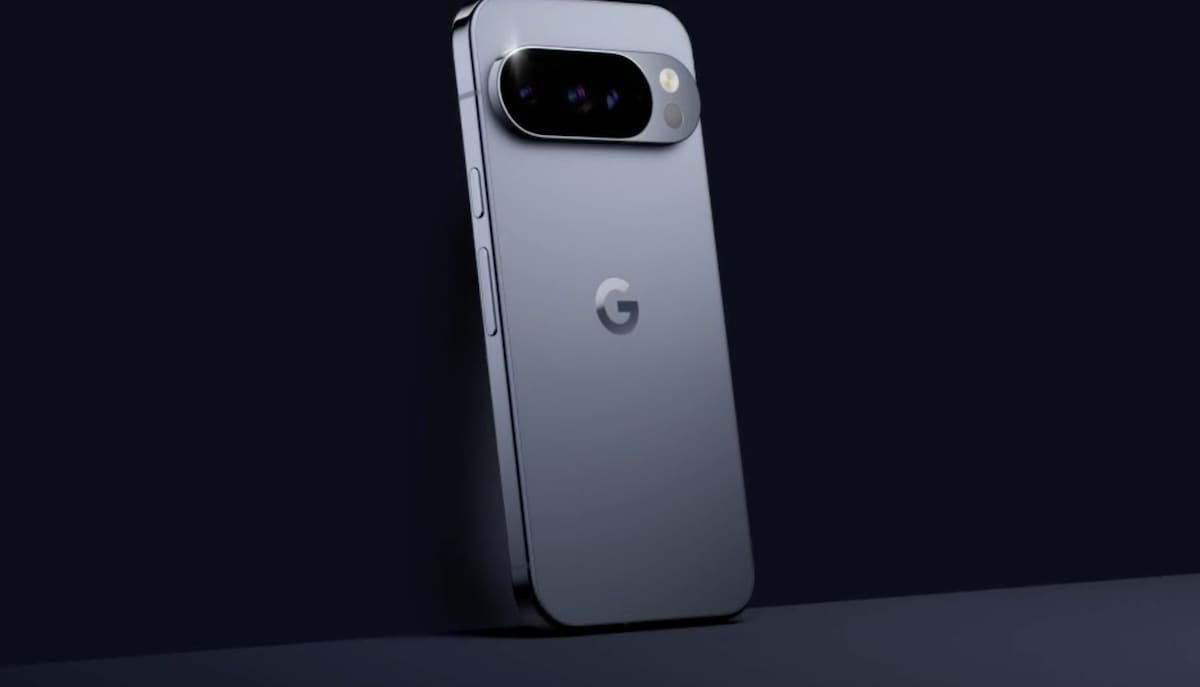
Google has set the date for its next hardware showcase: August 12 in New York City. The invitation carries no explicit product names, but the silhouette leaves little to interpretation. The device shown closely resembles the industrial design language Google has refined over the past two generations, suggesting the Pixel 11 series will evolve rather than reinvent.
At DailyTechWire, we've tracked Google's hardware cadence for years, and this timing aligns with the company's recent pattern of summer launches. What's less predictable this cycle is the economic backdrop. Early signals point to pricing tension driven by AI-focused silicon demand, a dynamic that could reshape Google's positioning against Samsung and Apple in the premium Android segment.
Design Continuity With a Glow
The teaser image reveals familiar contours. The Pixel 11 and Pixel 11 Pro are expected to maintain the clean lines and camera bar aesthetic that have defined recent generations, though the Pro and Pro Fold variants may shed a fraction of a millimeter in thickness. Iterative, yes, but Google has historically prioritized refinement over radical redesign once it lands on a winning formula.
The most intriguing hardware addition, if reports hold, is a feature dubbed "Pixel Glow." This rear-facing notification and status light would mark a departure from Google's typically minimalist hardware philosophy. The rationale is straightforward: as phones spend more time face-down on desks and tables, a rear indicator offers practical utility without requiring users to flip the device. Whether this proves genuinely useful or merely novel will depend on implementation, particularly how granular the notifications are and how much control users have over brightness and behavior.
Storage Floor Rises to 256GB
One of the more substantive changes appears to be Google's decision to eliminate the 128GB base storage tier across the Pixel 11 lineup. Both the standard and Pro models are expected to start at 256GB, a shift that acknowledges the reality of modern smartphone usage patterns.
The 128GB floor has felt increasingly cramped, especially as users hold onto devices longer and as camera systems capture higher-resolution photos and video. Google's own computational photography pipeline, which relies on capturing multiple frames and processing them on-device, exacerbates storage demands. Moving to 256GB as the entry point puts Google in line with Apple's recent iPhone strategy and removes a point of friction for users who don't want to constantly manage local storage.
This change also simplifies Google's SKU stack. Fewer configurations mean cleaner inventory management and potentially better margins on the base model, assuming Google absorbs some of the cost difference rather than passing it entirely to buyers.
Pricing Pressure From AI Component Demand
The elephant in the room is cost. Multiple reports suggest Google may need to raise prices on the Pixel 11 series, driven by tightening supply and elevated costs for advanced silicon. The culprit is the same AI boom that has fueled Nvidia's valuation and strained TSMC's capacity: demand for cutting-edge process nodes and specialized accelerators has created competition for wafer allocation.
Google's Tensor G5 chip, expected to power the Pixel 11, is rumored to be fabricated on TSMC's 3nm-class node, a significant jump from previous generations. While this should deliver meaningful performance and efficiency gains, it also comes at a premium. TSMC's leading-edge capacity is heavily allocated to Apple, Qualcomm, and other high-volume clients, and smaller players like Google face both higher per-unit costs and less favorable negotiating positions.
If Google does increase prices, the question becomes how much the market will bear. The Pixel 10 and Pixel 10 Pro launched at $799 and $1,099 respectively in 2025. A $50 to $100 increase would test consumer tolerance, particularly in a year when macroeconomic uncertainty lingers across key markets in North America, Europe, and parts of Asia.
The Pro Fold Wildcard
The Pixel 11 Pro Fold remains the least predictable product in the lineup. Google's foldable efforts have been technically competent but commercially marginal, constrained by high prices and limited distribution. If the Pro Fold sees the same cost pressures as the slab phones, it could push well past the $1,800 mark, placing it squarely in luxury territory.
Foldables remain a niche category, but Google's persistence suggests the company views them as strategically important, both as a differentiation vector and as a testbed for software optimizations that may eventually benefit tablets and other large-screen Android devices. The Pro Fold's success, or lack thereof, will hinge less on specs and more on whether Google can articulate a compelling use case beyond novelty.
Strategic Context for Google's Hardware Play
Google's hardware ambitions have always been as much about platform control as revenue. The Pixel line serves as a reference implementation for Android, a vehicle for showcasing Google's AI capabilities, and a hedge against over-reliance on Samsung and other OEM partners. The August 12 event will likely emphasize on-device AI features, leveraging the new Tensor chip's machine learning accelerators to deliver real-time translation, enhanced photo editing, and other computational tricks that justify the "AI phone" label.
But the broader challenge is market share. Pixel remains a single-digit player globally, with most of its traction concentrated in the US and parts of Western Europe. Pricing increases, however justified by component economics, risk further limiting Google's ability to scale. The company has historically been willing to subsidize hardware to drive services engagement, but that calculus may be shifting as CFO discipline tightens across Alphabet.
What August 12 Will Reveal
The event will answer several open questions. First, how aggressively will Google price the new devices? Second, what AI features will Google prioritize in its pitch, and will they feel substantive or incremental? Third, will Google offer any incentives, trade-in programs, or financing options to soften the blow of higher upfront costs?
Beyond the phones themselves, Google typically uses these showcases to preview updates to Wear OS, Pixel Watch hardware, and occasionally new smart home products. The broader ecosystem play matters, particularly as Apple continues to tighten integration across iPhone, Watch, and AirPods. Google's challenge is to make the Pixel feel like the center of a coherent, compelling ecosystem rather than a standalone device in a fragmented Android landscape.
The Made By Google event has become a reliable fixture on the tech calendar, but this year's edition carries more weight than usual. Component economics, storage strategy, and pricing decisions will all signal how Google sees its role in a smartphone market that is maturing, consolidating, and increasingly expensive to compete in. August 12 will clarify whether Google is prepared to fight for share or content to remain a high-margin niche player.