Google Sets August 12 for Hardware Reveal in New York
The company's annual launch event will showcase the Pixel 11 lineup, with leaks pointing to design tweaks and a potential shift away from entry-level storage tiers.
The Calendar Slot Returns
Google confirmed Tuesday that its annual Made by Google hardware showcase will take place August 12 in New York City. The timing tracks closely with last year's event, which landed on August 20 and introduced the Pixel 10 series alongside a refreshed foldable, the Pixel Watch 4, and updated A-Series earbuds.
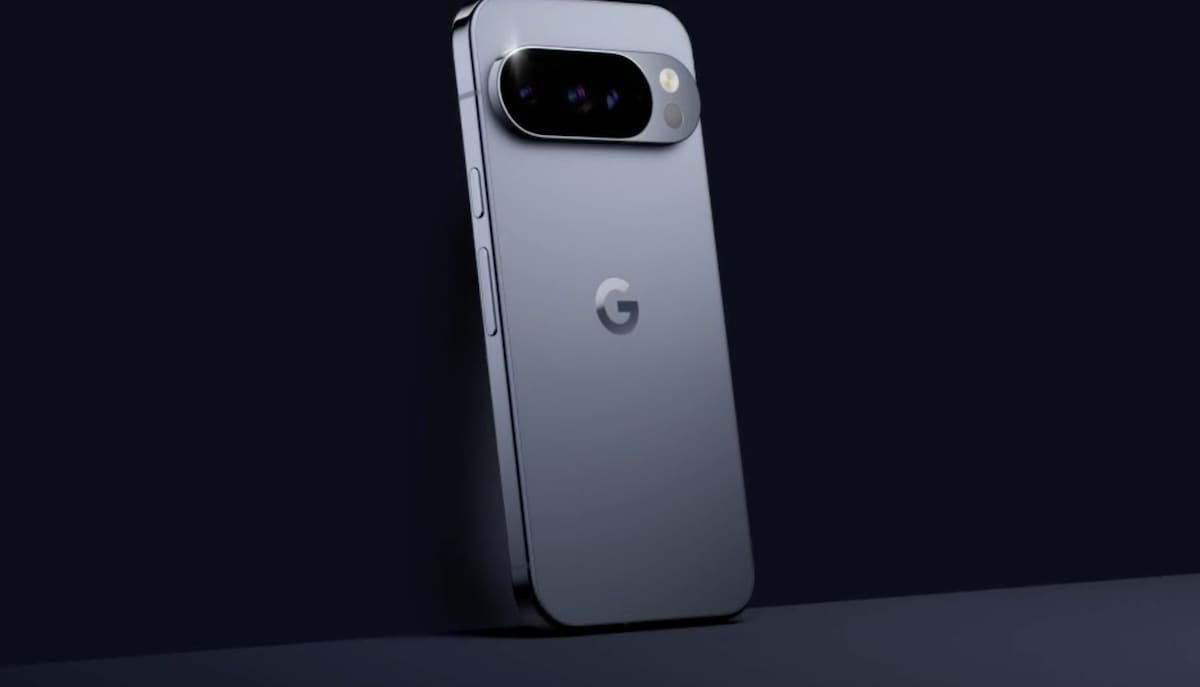
This year's invitation hints at visual refinements across the Pixel 11 family, with at least one promotional image spotlighting a gold finish. The color choice signals Google's continued effort to differentiate its flagship Android hardware in a market where black, white, and gray still dominate shelf space.
What the Supply Chain Whispers
Leaked render images circulating among component suppliers suggest the standard Pixel 11 will trim bezel width and adopt a matte-black camera bar that sits flush against the back glass. The Pixel 11 Pro, meanwhile, is rumored to shed a fraction of a millimeter in thickness, a move that may reflect tighter integration of the Tensor G6 chipset and cooling assembly.
The foldable variant, expected to carry the Pixel 11 Pro Fold designation, could debut a redesigned camera island that reduces the bump height, along with a lighter chassis. Weight has been a persistent critique of Google's foldables; the previous generation topped 280 grams, making it one of the heavier book-style devices on the market.
Storage Floors and Pricing Pressure
One supply-chain memo suggests Google may eliminate the 128GB base configuration entirely, starting the Pixel 11 lineup at 256GB. The shift would align Google with Apple's recent iPhone strategy but would almost certainly push the entry price upward. Last year's Pixel 10 launched at $699 for the 128GB model; a 256GB floor could nudge that closer to $799, putting the device squarely against Samsung's Galaxy S26 and OnePlus's flagship tier.
The move reflects broader trends in flash pricing and user behavior. According to data from Counterpoint Research, the median smartphone sold in North America in Q1 2026 shipped with 256GB of storage, up from 128GB two years prior. Google has long resisted offering expandable storage, making the internal capacity decision more consequential for buyers who shoot 4K video or store large app libraries offline.
The Tensor G6 Question
While Google has not confirmed chipset details, industry roadmaps point to the Tensor G6 as the likely silicon inside the Pixel 11 family. The chip is expected to be fabbed on Samsung's 3nm process, a node that promises modest gains in power efficiency and thermal headroom. Google's Tensor line has historically lagged Qualcomm's Snapdragon flagship series in raw compute benchmarks, but the company has leaned into on-device AI workloads, image processing, and real-time translation as differentiators.
At DailyTechWire, we've tracked Google's pivot toward inference-optimized silicon over the past three product cycles. The Tensor G5, introduced last year, dedicated roughly 40% of its die area to machine-learning accelerators and digital signal processing blocks, a ratio higher than any other mobile SoC in volume production. The G6 is expected to push that further, with dedicated hardware for multimodal models that can process text, image, and audio inputs simultaneously.
Event Tone and Market Positioning
Last year's launch drew criticism for its celebrity-heavy presentation, which featured late-night host Jimmy Fallon, NBA player Stephen Curry, and pop group the Jonas Brothers in scripted segments that felt more variety show than product briefing. The format mirrored Apple's polished keynote aesthetic but landed awkwardly with the technical press and developer community, who prefer denser feature walkthroughs and API announcements.
Google has not indicated whether it will adjust the tone this year. The company's hardware division, led by Rick Osterloh, has historically struggled to find a consistent voice. Early Pixel events leaned heavily on photography demos and AI research papers; more recent showcases have oscillated between consumer lifestyle vignettes and technical deep-dives, sometimes within the same presentation.
The Broader Android Flagship Picture
Google's Pixel line commands less than 5% of the global smartphone market, according to IDC shipment data, but it plays an outsized role in shaping Android's software direction. Features introduced on Pixel devices, from call screening to Magic Eraser, often migrate into the Android Open Source Project within a year, giving the hardware line strategic value beyond unit sales.
The August 12 event arrives at a moment of unusual volatility in the premium Android segment. Samsung's Galaxy S26 launch in February underperformed expectations in North America, while Chinese manufacturers including Xiaomi, Oppo, and Vivo have struggled to gain carrier shelf space outside Asia. That leaves a narrow window for Google to claim share among buyers who prioritize software updates, camera quality, and integration with the broader Google services ecosystem.
What Else May Appear
Beyond the Pixel 11 phones, the event could feature updates to Google's wearable and audio accessories. The Pixel Watch 5 is due for a refresh, and the company's Pixel Buds line has not seen a major revision since the A-Series update last year. Google has also filed trademark applications for "Pixel Tablet 2" in several jurisdictions, though supply-chain signals remain weak for a second-generation slate.
One wildcard: whether Google will preview any AR or spatial computing hardware. The company shuttered its Glass Enterprise program in 2023 but has continued to invest in augmented-reality research through its Labs division. A developer kit or concept device could surface, particularly if Google wants to counter momentum from Meta's Orion glasses prototype and Apple's Vision Pro ecosystem.
The New York Venue
Google has not disclosed the specific venue for the August 12 event, though past New York launches have taken place at Pier 57 and the Intrepid Sea, Air & Space Museum. The company typically limits in-person attendance to press, partners, and select developers, while live-streaming the keynote globally. Expect the presentation to run 60 to 90 minutes, with hands-on demo areas available immediately afterward for attendees.
For those watching the Android hardware roadmap, August 12 will offer the clearest signal yet of Google's strategy heading into the holiday quarter. Whether the Pixel 11 can break out of its niche and claim a larger slice of the premium market depends not just on specs and design, but on Google's ability to articulate why its vertical integration of hardware, software, and AI services delivers something rivals cannot match.