Framework Cuts Memory Specs on Premium Laptop as Supply Costs Surge
The modular PC maker is reshuffling preorder configurations after memory suppliers more than doubled component pricing, forcing customers into lower-capacity builds
When Modularity Meets Market Reality
Framework's promise has always been straightforward: build a laptop you can repair, upgrade, and keep running for years. The company has carved out a loyal following among enthusiasts and sustainability advocates by delivering on that vision with actual shipping products. But this week, that community received a sobering reminder that even the most idealistic hardware startup cannot insulate itself from the raw economics of component supply chains.
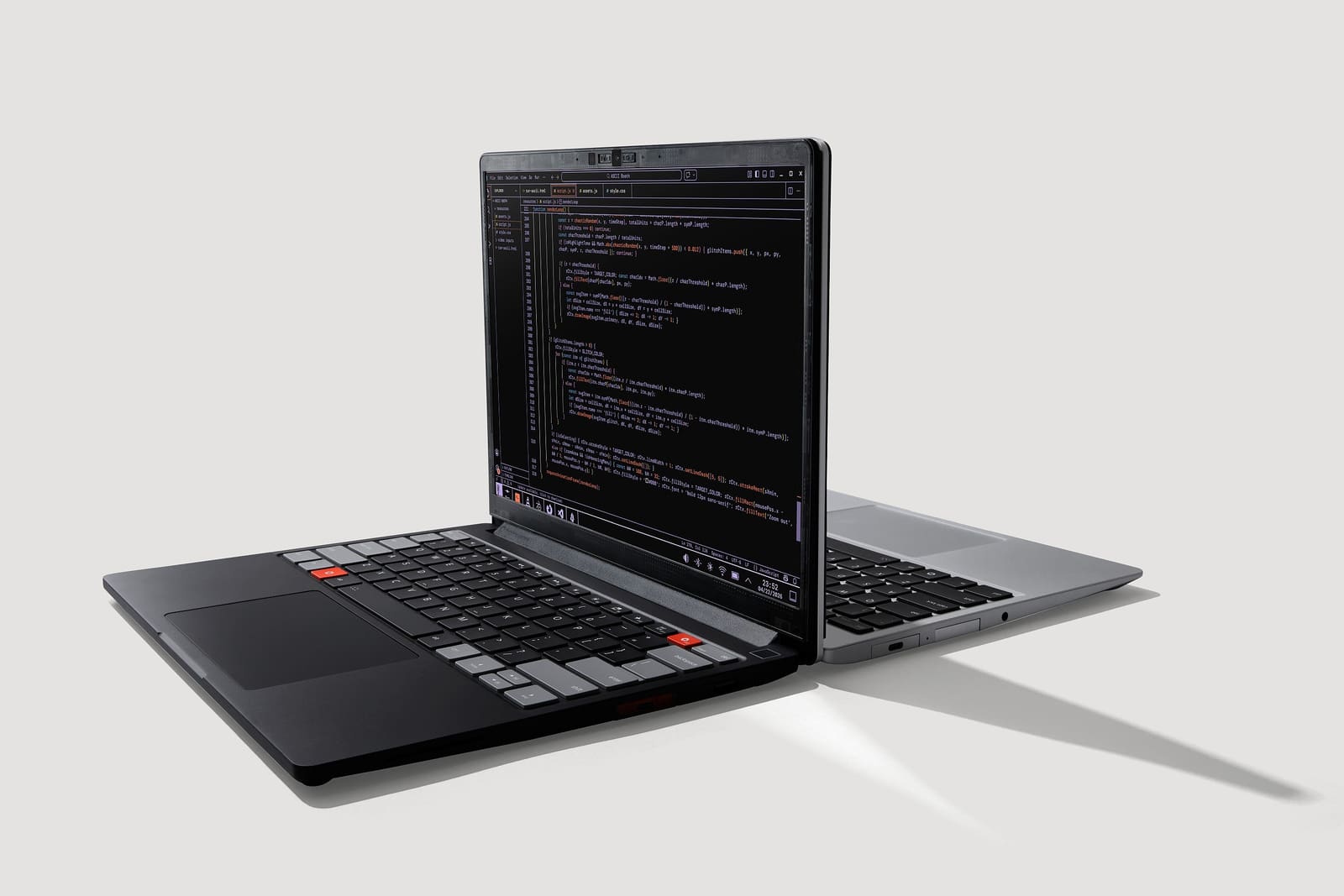
The Laptop 13 Pro, Framework's upcoming premium configuration, is now shipping with revised memory options. Some customers who preordered higher-capacity builds are being notified that their systems will arrive with less RAM than originally selected. Framework attributes the shift to what it describes as cost updates from memory suppliers that exceed double the previous pricing for LPCAMM2 modules. The company has inventory on hand to fulfill existing orders, but not in the right mix of capacities to match every configuration that customers paid for months ago.
It is a predicament that underscores a tension at the heart of the modular PC movement. Framework has positioned itself as an alternative to the disposable electronics model championed by larger OEMs, but it operates without the purchasing power or supply chain leverage of an Apple or Dell. When commodity pricing swings violently, as it has in the memory market over the past eighteen months, smaller players absorb the shock directly.
The LPCAMM2 Gamble
Framework's decision to adopt LPCAMM2 memory was technically sound but commercially risky. The Low Power Compression Attached Memory Module standard, finalized by JEDEC in late 2023, offers a slimmer form factor and better thermal characteristics than traditional SO-DIMM modules. For a thin-and-light laptop designed around user upgradeability, LPCAMM2 was an elegant solution.
But standards adoption is a game of scale. SO-DIMM modules benefit from decades of manufacturing infrastructure and a vast ecosystem of suppliers. LPCAMM2, by contrast, is still ramping production. Fewer fabs are tooled for it, fewer vendors stock it, and pricing remains volatile. When demand spikes or yields slip, buyers with limited order volumes feel the pain first.
At DailyTechWire, we have tracked similar dynamics in other emerging component categories. Custom silicon packaging, advanced display technologies, and next-generation interconnects all follow a familiar arc: early adopters pay a premium, and that premium swells whenever supply tightens. Framework's predicament is not unique, but it is unusually visible because the company communicates directly with customers and has staked its brand on transparency.
The memory market itself has been turbulent. After a prolonged downturn in 2023 that saw DRAM spot prices fall by more than forty percent, the sector rebounded sharply in 2024 and early 2025. Demand from AI inference workloads, data center expansion, and a recovery in consumer PC sales collided with constrained capacity. Suppliers prioritized high-margin HBM and DDR5 server modules over lower-volume specialty products. LPCAMM2, sitting at the intersection of low volume and high complexity, became a squeeze point.
Preorder Economics and Customer Expectations
Framework's notification to preorder customers raises uncomfortable questions about how hardware startups manage risk in volatile supply chains. When a customer places a preorder, they are effectively extending credit to the manufacturer and accepting delivery at an unspecified future date. In exchange, they expect the configuration they paid for.
Framework has stated that it will honor all preorders, but some customers will receive systems with reduced memory capacity. The company is offering to refund the difference in component cost, and because the Laptop 13 Pro is modular, customers retain the option to purchase and install additional memory later, once supply stabilizes or pricing improves.
This approach is pragmatic, but it shifts part of the supply chain risk back onto the customer. A buyer who selected a 64GB configuration for a specific workload may not be satisfied with a 32GB system and a promise of future upgradeability. The value proposition of modularity is that you can configure the machine to your needs from the start, not that you can eventually reach your target spec after navigating secondary markets for scarce components.
The broader PC industry has largely moved away from preorder models for consumer products, precisely because of these risks. Apple, Lenovo, and HP manufacture to forecast and hold inventory, absorbing cost fluctuations within their margins. Startups like Framework lack the working capital to do this at scale, so they rely on preorders to finance production. When input costs surge between order and delivery, someone has to absorb the gap.
What This Means for Modular Hardware
Framework's situation is a stress test for the modular PC thesis. The company has demonstrated that a small team can design, manufacture, and support upgradeable laptops that compete on performance and build quality with mainstream offerings. But sustainability and repairability do not, by themselves, solve supply chain fragility.
Modularity depends on the availability of upgrade components. If LPCAMM2 memory remains scarce or expensive, the value of a user-replaceable memory slot diminishes. Customers who bought into the platform expecting to upgrade over time may find themselves unable to source the modules they need at reasonable prices. This is not a hypothetical concern. During the height of the GPU shortage in 2021 and 2022, Framework Desktop owners struggled to find compatible graphics cards, even though the system was designed to accommodate them.
The memory crunch also highlights a strategic vulnerability. Framework has committed to supporting each generation of its mainboards for years, which means it must maintain access to compatible components long after launch. If a supplier discontinues a module or raises prices prohibitively, Framework either has to stockpile inventory, find alternative sources, or redesign the platform. All three options carry significant cost.
Regional Implications and the Asia Supply Chain
Framework manufactures in Taiwan, sourcing components from a mix of regional and global suppliers. The LPCAMM2 modules in question are likely fabricated in South Korea or Taiwan, where the majority of advanced DRAM production is concentrated. The doubling of module costs that Framework cites may reflect not just demand-supply imbalances but also upstream shifts in wafer allocation.
Samsung and SK Hynix, the two dominant DRAM producers, have both redirected capacity toward HBM and high-density server memory to meet AI infrastructure demand. This reallocation has tightened supply for consumer-grade and specialty modules. Smaller customers, including ODMs and boutique PC makers, are finding themselves deprioritized in allocation queues.
For Asia-based hardware startups, this creates a difficult environment. The region is home to the world's most sophisticated electronics manufacturing ecosystem, but access to that ecosystem is increasingly tiered. Companies with large purchase orders or strategic partnerships secure favorable terms. Those without face volatile pricing and uncertain lead times.
Framework's experience may foreshadow similar challenges for other modular or sustainability-focused hardware ventures emerging in the region. Fairphone, which builds repairable smartphones in Europe using Asian supply chains, has faced comparable component availability issues. The economics of ethical hardware are hard enough without the added burden of commodity price swings.
The Path Forward
Framework has a few options to stabilize its supply chain. The company could vertically integrate by designing custom memory modules or partnering directly with DRAM manufacturers, though this would require capital and scale it does not yet have. It could diversify into multiple memory standards, offering both LPCAMM2 and SO-DIMM variants to hedge against single-component risk. Or it could build deeper inventory buffers, though this ties up cash and exposes the company to obsolescence risk.
None of these strategies is straightforward. Framework operates in a market segment that values openness, sustainability, and user control, but those values do not insulate it from the realities of global electronics supply chains. The company's transparency about its challenges is admirable, but transparency alone does not solve the underlying problem.
For customers, the lesson is that modularity is not a guarantee of future-proofing. A laptop with replaceable components is only as upgradeable as the availability and cost of those components allow. Framework's platform remains one of the most repairable consumer laptops on the market, but buyers should approach upgrade paths with realistic expectations about component availability.
A Symptom of Broader Fragility
The Framework memory situation is not an isolated incident. It is a symptom of a supply chain that remains fragile despite years of effort to build resilience. The semiconductor industry has added capacity, diversified geographically, and invested in next-generation fabs, but it has not eliminated the volatility that comes from concentrated production, long lead times, and unpredictable demand.
Smaller hardware companies, especially those pursuing sustainability or niche technical goals, are canaries in this coal mine. When supply tightens or prices spike, they feel it first and most acutely. Framework's ability to navigate this moment will be instructive for the broader ecosystem of independent hardware makers.
The company has built goodwill with its community through consistent communication and a genuine commitment to its principles. Whether that goodwill can weather a supply chain crisis that forces configuration compromises remains to be seen. For now, Framework is asking its customers to accept less than they ordered, with the promise that modularity will eventually make them whole. It is a test of trust, and of whether the ideals that underpin the modular PC movement can survive contact with the economics of the semiconductor industry.