Android 17 Brings Built-In iPhone Migration as Google Chases Switchers
Wireless transfer of passwords, eSIMs, and Google Accounts now happens without a separate app, lowering friction in the most contested handset migration path.
Google Embeds Migration Path Directly Into the OS
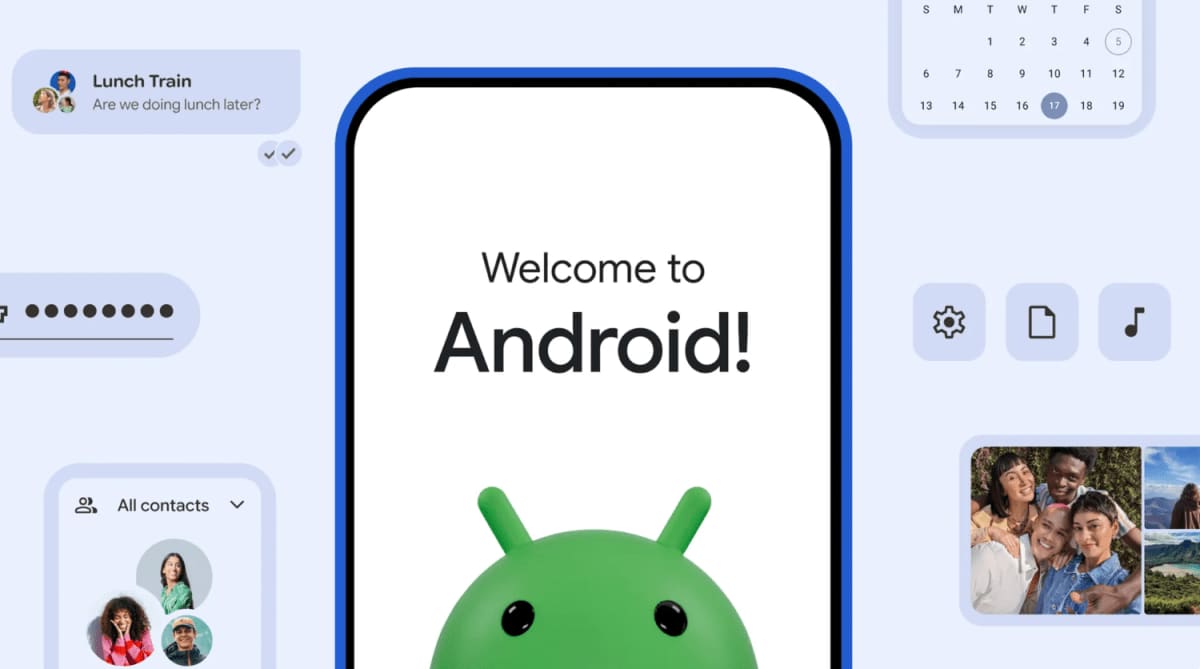
Google introduced a built-in migration feature in Android 17 that allows users to move from an iPhone without downloading a separate utility. The system now handles wireless transfer of photos, videos, contacts, messages, and calendars, while adding support for Google Account credentials, saved passwords, Wi-Fi network settings, and eSIM profiles. The feature began rolling out to select Pixel devices and launched on Samsung's Galaxy Z Flip8 and Z Fold8 foldables, with broader Android device support planned in the coming months.
At DailyTechWire, we've tracked migration friction as one of the stickiest lock-in mechanisms in consumer hardware. By moving the process into the operating system itself, Google eliminates a step that historically required users to find, download, and trust a third-party tool. That shift matters in a market where the decision to switch platforms often hinges on perceived hassle rather than hardware preference.
What Changed in the Transfer Workflow
Previous Android migration workflows required iPhone users to install Google's "Switch to Android" app from the App Store, pair devices over a cable or local network, and manually configure certain account settings post-transfer. The new Android 17 implementation surfaces the migration flow during initial device setup, prompting users to connect wirelessly and authenticate once. The system then pulls data types that were previously out of scope: stored passwords from iCloud Keychain, Wi-Fi network lists, and the ability to transfer an eSIM profile directly to the new device.
eSIM portability is particularly notable. Until now, users switching ecosystems typically needed to contact their carrier or scan a new QR code to activate service on the destination device. Embedding eSIM transfer into the OS-level migration flow removes a step that often added hours or required a trip to a retail store, especially in markets where carrier support infrastructure remains inconsistent.
Rolling Out to Pixel and Samsung First
Google confirmed that the feature is live on Pixel devices running Android 17 and on Samsung's newly announced Galaxy Z Flip8 and Z Fold8 foldables. Samsung's inclusion at launch signals coordination between Google and its largest Android hardware partner, a dynamic that has historically determined which Android features achieve meaningful scale. Other manufacturers will receive the capability in subsequent updates, though Google did not specify a timeline or device list.
The Pixel-and-Samsung-first rollout mirrors Google's strategy with previous Android features, where Pixel devices serve as reference implementations and Samsung's volume ensures rapid user exposure. For smaller OEMs, the delay may be measured in quarters rather than weeks, depending on their update cadence and willingness to adopt Google's unmodified migration stack.
Why Google Is Lowering the Switching Cost Now
The timing aligns with two broader industry pressures. First, Apple has continued to tighten ecosystem integration through features like iMessage lock-in, AirDrop, and Continuity, all of which create friction for users considering a move to Android. By simplifying the technical side of migration, Google aims to neutralize the perception that leaving iOS means losing data or starting from scratch.
Second, regulatory momentum in the European Union and parts of Asia is pushing interoperability requirements that make it harder for platform owners to impose artificial switching costs. While the Android 17 migration feature is not a direct response to regulation, it positions Google as proactive on portability at a moment when enforcement agencies are scrutinizing walled gardens. The ability to move passwords and eSIMs without carrier or cloud service intermediaries also reduces the number of third parties that can slow or block a user's exit.
Implications for Carrier and Cloud Lock-In
The inclusion of eSIM transfer is a quiet but material shift in control. Carriers have historically used activation friction as a retention tool, particularly in prepaid and enterprise segments where switching often requires physical SIM cards or manual reprovisioning. By enabling direct eSIM migration, Google reduces the carrier's role in the switching process to a background authentication step, weakening one of the last non-contractual lock-in levers.
Password portability also challenges Apple's iCloud Keychain advantage. While third-party password managers have long offered cross-platform sync, many iPhone users rely on iCloud Keychain because it requires no additional app or subscription. Android 17's ability to pull those credentials during migration narrows the gap, though it remains to be seen whether users will trust the transfer process with sensitive authentication data or prefer to re-enter passwords manually.
What Still Doesn't Transfer
Despite the expanded scope, certain iOS-specific data types remain out of reach. App data for apps that do not use cloud sync, iMessage history, FaceTime call logs, and Apple Health records are not part of the migration bundle. Apple's APIs do not permit third-party access to iMessage or Health data, and app developers must implement their own cloud backup systems for cross-platform portability.
This means users switching from iPhone to Android will still lose conversation threads in iMessage, a friction point that Google has publicly criticized but cannot technically resolve without Apple's cooperation. For users whose social graphs rely heavily on iMessage group chats or reaction features, that gap remains a meaningful deterrent.
The Competitive Context in Asia
In markets across Asia, where Android holds dominant share but Apple has been gaining ground in premium segments, migration tools take on different significance. In India, Southeast Asia, and parts of China where users frequently upgrade within the Android ecosystem, the iPhone-to-Android flow is less common than the reverse. However, in Japan, South Korea, and urban China, where iPhone penetration among younger demographics has grown, Google's investment in seamless migration may help retain users who experimented with iOS but found the cost of staying in the ecosystem too high.
Samsung's early access to the feature also reflects its strategic priority in these markets. In South Korea, where Samsung and Apple compete intensely for flagship share, reducing switching friction can influence purchase decisions at the margin, particularly among users who value hardware features like foldable displays but hesitate to leave the iOS data environment.
What Comes Next
Google's roadmap for migration features will likely expand to include more granular app data transfer, contingent on developer adoption of standardized backup APIs. The company has historically used Pixel devices to pilot new backup and restore capabilities before pushing them to the broader Android ecosystem, and the same pattern is expected here.
For Apple, the Android 17 migration feature represents a modest but growing challenge to its ecosystem moat. The company has not announced reciprocal improvements to its own "Move to iOS" app, which remains a standalone download and supports fewer data types than Google's new built-in flow. Whether Apple responds with its own OS-level migration tool, or instead doubles down on ecosystem features that cannot be easily replicated on Android, will shape the next phase of platform competition.
The inclusion of eSIM and password transfer in Android 17 marks a shift from migration as a one-time technical hurdle to migration as an ongoing product priority. As regulatory and competitive pressure on walled gardens intensifies, the ability to move seamlessly between platforms may become a baseline expectation rather than a differentiator. For now, Google has taken a clear step in that direction, and the industry's response will determine whether portability becomes a new standard or remains a feature unevenly distributed across devices and ecosystems.