Samsung's Foldable Refresh Bets on AI, Not Hardware
The Z Fold 8 and Z Flip 8 arrive with modest design tweaks and software upgrades, as the company waits to see whether Apple will finally enter the foldable arena.
A Holding Pattern in Foldable Innovation
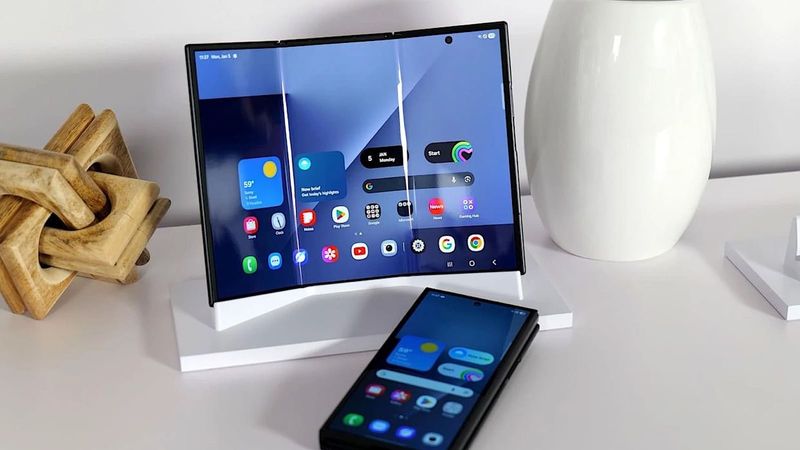
Samsung unveiled its latest generation of foldable smartphones at the July 2026 Unpacked event, with the Galaxy Z Fold 8, Z Flip 8, and Z Fold 8 Ultra scheduled to ship on August 7th. Yet the devices mark one of the company's most conservative annual updates in the foldable category, leaning heavily on artificial intelligence enhancements rather than hardware differentiation.
For anyone who purchased the Z Fold 7 or Z Flip 7 twelve months ago, the upgrade case is thin. The new models introduce minor industrial design refinements and a suite of on-device AI features, but the core form factor, display technology, and hinge mechanisms remain largely unchanged. It's a strategy that suggests Samsung is managing its R&D budget carefully while the broader foldable market remains niche.
The Z Fold 8 Stands Alone
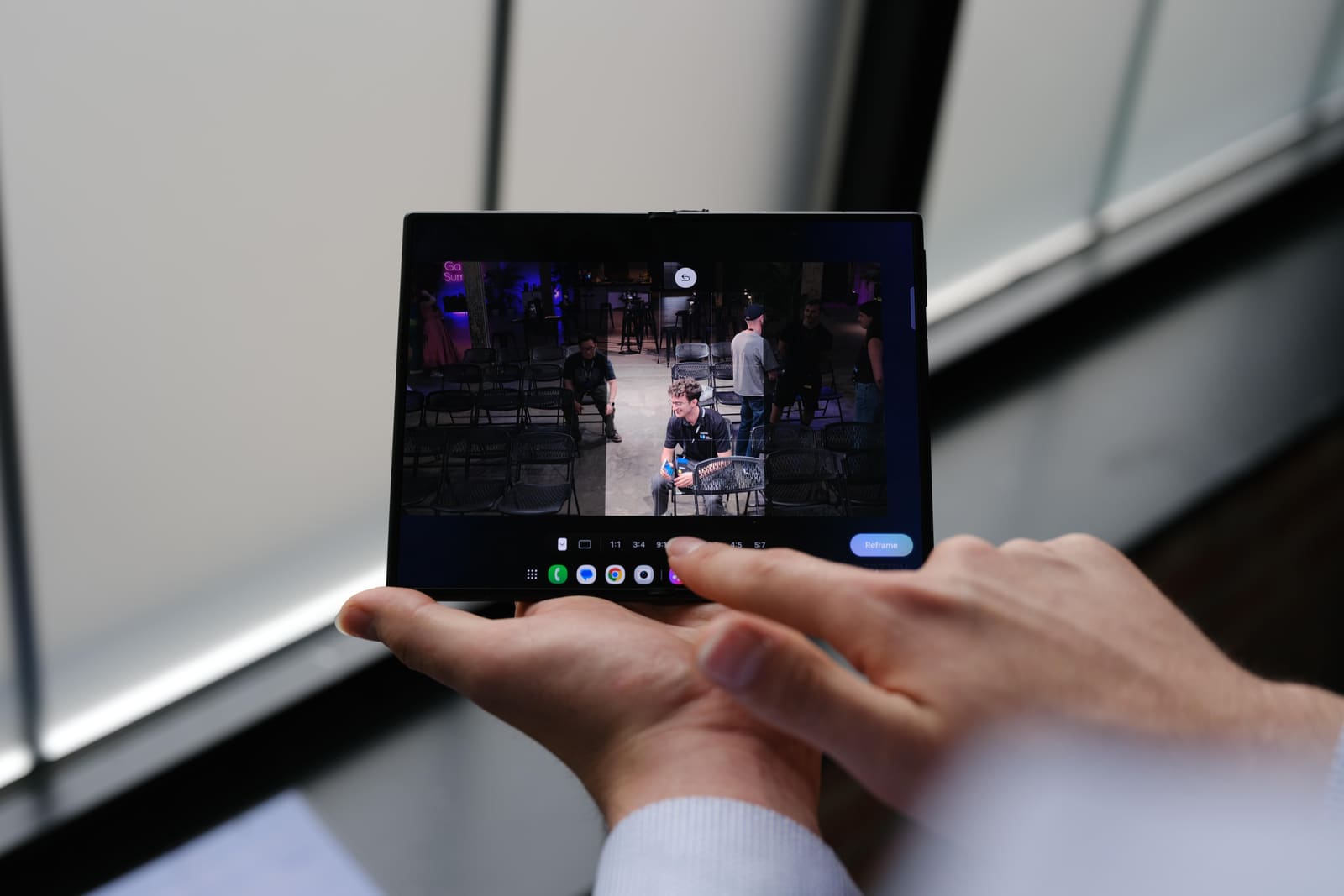
Among the trio, the standard Z Fold 8 is positioned to capture the most interest in North America. Despite sharing a numeric successor name with the Z Fold 7, the device represents a departure in positioning, aimed at users who prioritize productivity over portability. The device's internal display and aspect ratio have been adjusted to better accommodate multitasking workflows, a response to feedback from enterprise buyers who have adopted foldables as laptop replacements in specific verticals.
The Z Fold 8 Ultra, meanwhile, targets the high end with additional camera sensors and a larger battery, but early hands-on impressions suggest the performance delta between the standard and Ultra models is narrow enough that most consumers will opt for the base configuration.
Incremental Design, Evolutionary Software
The design updates across the lineup are subtle. Samsung has shaved millimeters from the folded thickness of both the Flip and Fold models, and the hinge mechanism now closes with slightly less gap between the two halves. These are quality-of-life improvements rather than breakthroughs, the kind of refinement that matters to existing foldable owners but won't convert skeptics.
The software story is more ambitious. Samsung has integrated a new suite of AI-driven features that leverage on-device processing for real-time translation, note summarization, and photo editing. These capabilities are part of the company's broader push to differentiate through software as hardware innovation slows. Whether users will adopt these features in daily workflows remains an open question, but the company is clearly betting that AI can extend upgrade cycles without requiring dramatic hardware leaps.
The Apple Factor
Speculation around Apple's entry into the foldable market has intensified in recent months, and Samsung's cautious product cycle may reflect that uncertainty. If Apple launches a foldable iPhone or iPad variant before the end of 2026, it would instantly reshape the competitive landscape. Apple's supply chain influence and retail footprint could normalize foldables in a way Samsung has struggled to achieve despite years of market leadership.
At DailyTechWire, we've tracked the foldable category since the original Galaxy Fold launched in 2019, and the current moment feels like a strategic pause. Samsung has established technical leadership and patent moats around hinge design and flexible OLED production, but the company has yet to crack mass-market adoption. Foldables remain a premium category with single-digit global smartphone market share, and Samsung's incremental approach suggests it's waiting for either a breakthrough in manufacturing cost or a competitor to validate the segment at scale.
Regional Dynamics and Pricing Pressure
Foldable adoption varies sharply by region. In South Korea and China, foldables have gained traction among younger consumers who value novelty and screen real estate for media consumption. Chinese competitors like Oppo, Vivo, and Huawei have launched their own foldable models with aggressive pricing, pressuring Samsung's margins in Asia. In contrast, North American and European buyers have been slower to embrace the form factor, citing durability concerns and high price points.
The Z Fold 8 and Z Flip 8 are expected to launch at similar price tiers to their predecessors, which means the Fold 8 will likely start near $1,800 USD and the Flip 8 around $1,000 USD. Those figures remain prohibitive for mainstream buyers, and Samsung has offered limited signals that it plans to introduce a mid-tier foldable in the near term.
What This Cycle Reveals
The 2026 foldable lineup is a pragmatic product release, not a visionary one. Samsung is iterating on a proven formula, adding software differentiation, and waiting to see how the market evolves. The company's decision to introduce three models instead of two suggests it's testing price segmentation strategies, but the modest changes across the board indicate that internal teams are being measured against profitability targets rather than market share ambitions.
For the foldable category to reach the next inflection point, one of three things needs to happen: Apple enters and validates the form factor at scale, manufacturing costs drop enough to enable sub-$800 foldables, or a new use case emerges that makes the折叠 form factor essential rather than optional. Until then, Samsung's approach of cautious iteration and software layering is likely the rational path forward.