Why Samsung's Short-Lived TriFold Still Haunts the Foldable Roadmap
The three-panel device vanished after two months on sale, but its 10-inch unfolded display pointed to a more useful future than today's square-screen compromises.
A Device That Barely Existed
Samsung's Galaxy Z TriFold appeared in January 2026 and vanished by March. The timeline was brutal: a limited South Korea release in late 2025, US availability on January 30, and production shutdown roughly six weeks later. Samsung framed it as a "flagship showcase" rather than a volume product, but the speed of its disappearance suggests something more complicated than a planned tech demo.
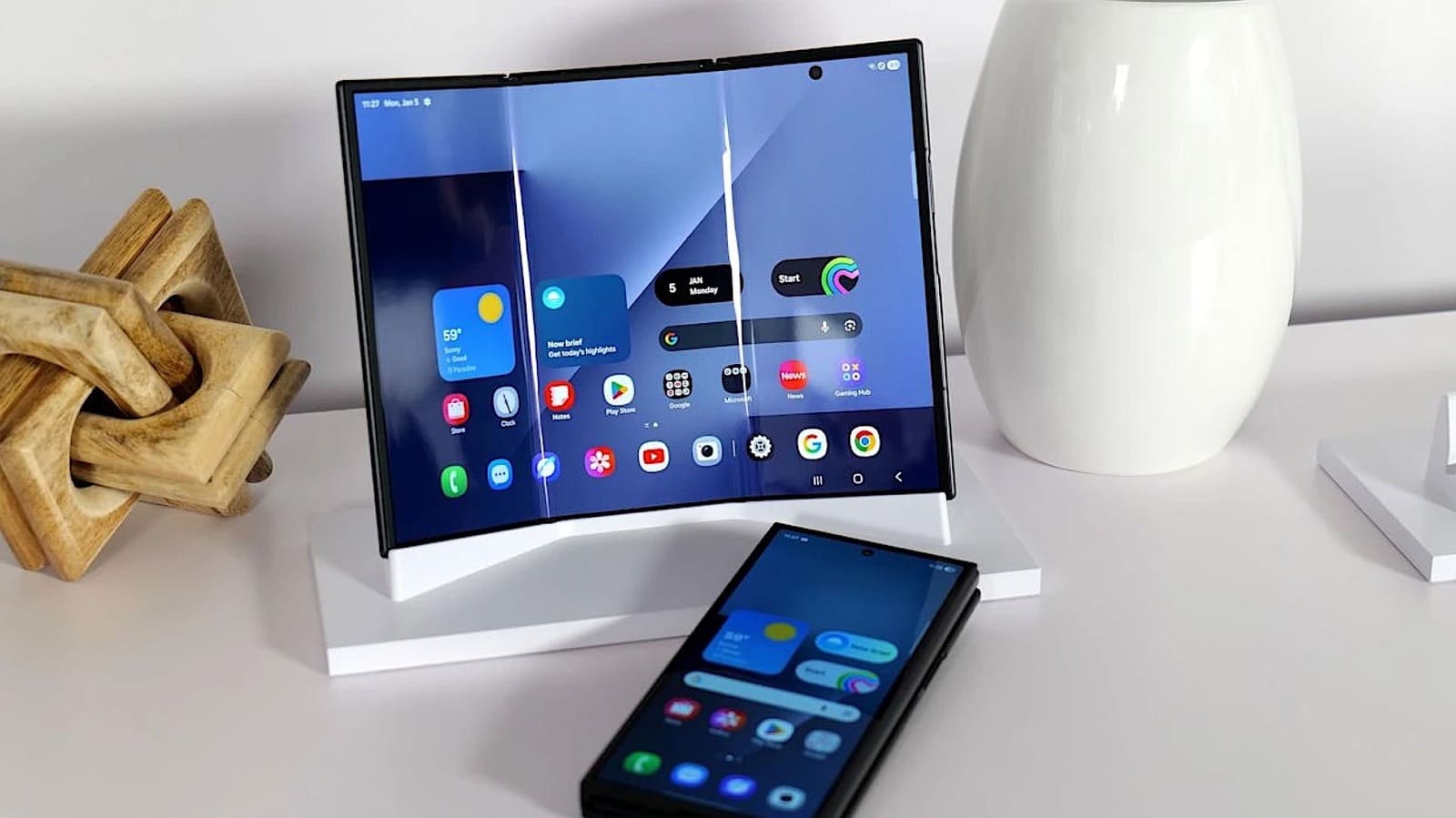
At DailyTechWire, we've tracked plenty of experimental hardware across Asia, from Oppo's rotating cameras to Xiaomi's liquid lens prototypes. Most get at least a full quarter on shelves. The TriFold's two-month window stands out because the device itself solved a real problem: it unfolded into a 10-inch display with a 4:3 aspect ratio, closer to an iPad's proportions than the near-square screens dominating the foldable category today.
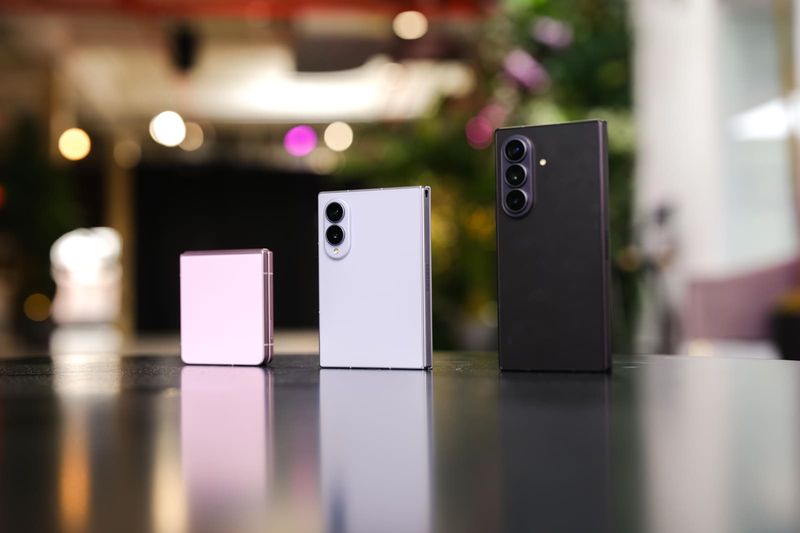
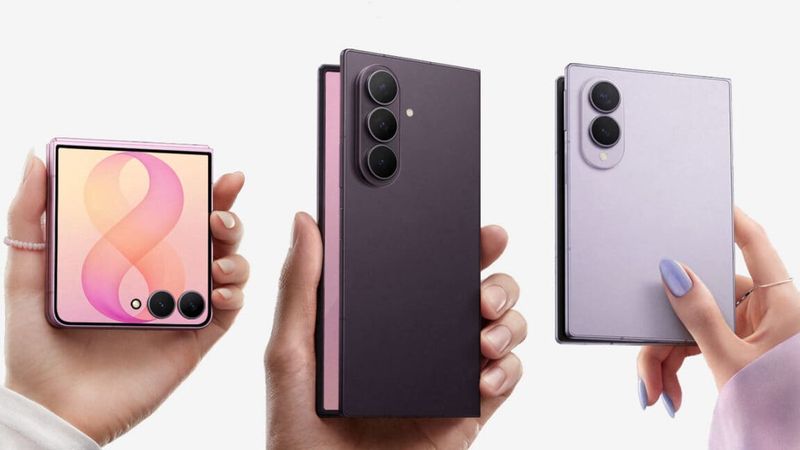
That distinction matters more than the spec sheet suggests. Current flagship foldables, including Samsung's own Galaxy Z Fold 8 Ultra, unfold into roughly 10:9 aspect ratios. Those dimensions work for split-screen multitasking, but they feel like engineering compromises rather than deliberate choices about how people actually use large screens. The TriFold's three-panel hinge mechanism delivered something closer to a traditional tablet when fully opened, and that changed the calculus for productivity work.
The Aspect Ratio Problem
Screen shape dictates use case. A square display excels at one thing: running two portrait-oriented apps side by side. For most other tasks, from reading documents to browsing websites to editing spreadsheets, the extra vertical space of a 4:3 or 16:10 screen makes a tangible difference. The TriFold offered that vertical headroom without requiring users to carry an actual tablet.
The newly announced Galaxy Z Fold 8 takes a step in this direction with its 7.6-inch main screen in a less-square format, better suited to reading and web browsing. That's a concession to the feedback Samsung likely heard during the TriFold's brief life. But a 7.6-inch display, even in a more usable aspect ratio, still sits in an awkward middle ground. It's too small to replace a laptop for extended work sessions and too large to use comfortably one-handed when folded.
The TriFold bypassed that compromise. Pair it with a portable Bluetooth keyboard, and you had something approaching a legitimate mobile workstation. The 10-inch screen provided enough real estate for a full-size document or email client without squinting. Competitors like Oppo's Find N6 offer a "laptop mode" that props the device at an angle, but that configuration splits screen space between an on-screen keyboard and the remaining display area, leaving you with roughly smartphone-sized zones for both input and output.
What Killed It
Price sits at the top of the list. The TriFold launched at $2,900, a figure that made even early-adopter enthusiasts pause. That was before the RAM supply crunch that the industry has since labeled "RAMaggedon" drove component costs higher across the board. Samsung's summer 2026 foldable lineup saw price increases of at least $100 per model. Extrapolate that trend to a hypothetical TriFold successor, and you're looking at a retail figure well above $3,000.
Early Samsung Fold models debuted just under $2,000 before dropping several hundred dollars in later generations as manufacturing scaled. The TriFold might have followed a similar trajectory if it had survived long enough to reach a second or third iteration. But expecting price relief in the current environment requires optimism that the component market doesn't support. Memory, display panels, and hinge mechanisms are all trending more expensive, not less.
Manufacturing complexity also played a role. Three-panel foldables require more precise engineering than two-panel designs. The hinge assembly must support two fold points, each introducing potential failure modes. Dust ingress becomes a bigger risk with more seams. Early TriFold buyers faced repair costs as high as $700 for damaged displays, a bill that approaches the price of a used foldable device. That's a tough sell when screen durability remains the biggest anxiety point for foldable owners.
Then there's the distribution problem. The TriFold never reached many markets. It skipped the UK entirely, despite Samsung hosting its summer Unpacked event in London. Buyers in regions without official availability had to route through importers, adding markup and shipping costs to an already eye-watering price. Limited availability signals limited confidence, and Samsung clearly wasn't ready to commit manufacturing capacity to a device with uncertain demand.
The Productivity Argument
The case for a three-panel foldable hinges on productivity. Android's multitasking UI has steadily improved, approaching the split-screen fluidity of iPadOS. Google's AI integration now offers contextual shortcuts that make better use of larger displays: summarizing long emails, extracting key points from documents, suggesting replies based on message content. Those features scale with screen size. A 10-inch display running those tools starts to feel less like a stretched phone and more like a distinct computing category.
Samsung's Galaxy AI suite, embedded across its hardware ecosystem, could capitalize on that extra space in ways a 7.6-inch screen can't. Imagine persistent side panels for notes, always-visible calendar widgets, or split-view workflows that keep reference material on screen while you draft responses. The TriFold's dimensions made those scenarios plausible. Current foldables require too much compromising and window-shuffling to make multi-app workflows feel natural.
The question is whether enough users need that capability to justify the cost and complexity. Foldables remain a niche within a niche. Samsung ships millions of Galaxy S-series phones for every thousand Fold units. The TriFold targeted an even smaller audience: people willing to pay flagship-plus pricing for a device that's thicker and heavier than a standard foldable, with the added risk of a less-proven hinge design.
What Comes Next
Apple's rumored entry into foldables looms over the entire category. If the company releases a folding iPhone, it will validate the form factor for a broader audience and likely push Samsung to differentiate more aggressively. A refined TriFold could be part of that response, but only if Samsung believes the market has matured enough to absorb the cost.
The Galaxy Z Fold 8's design shift toward a 4:3 aspect ratio suggests Samsung is listening. That's the same screen proportion the TriFold used, just in a smaller package and with one fewer fold. It's possible Samsung views the Fold 8 as a stepping stone, testing whether users respond to less-square screens before committing to another three-panel experiment.
A future TriFold iteration could aim for a 16:10 aspect ratio when fully unfolded, matching the proportions of most laptop displays. That would make the productivity pitch even stronger, positioning the device as a true laptop alternative rather than a large phone. The engineering challenge would be significant: maintaining a slim profile when folded while accommodating three panels and two hinges. But Samsung has the R&D budget and supply chain relationships to attempt it.
The Uncomfortable Reality
Foldables remain expensive because they're hard to make. Three-panel designs are harder still. The TriFold's disappearance reflects cold economics more than a lack of vision. Samsung saw where the market was in early 2026, looked at component costs and demand projections, and decided the math didn't work.
That doesn't mean the concept is dead. It means the timing was wrong. If RAM prices stabilize, if hinge durability improves, if Apple's entry expands the addressable market, Samsung could revisit the three-panel format. The Fold 8's aspect ratio change keeps the door open. But anyone hoping for a TriFold 2 in the next product cycle is likely setting themselves up for disappointment.
For now, the TriFold exists as a reminder that hardware innovation doesn't always align with market readiness. The device worked. It delivered on its promise of a pocket-sized tablet. It just cost too much, arrived at the wrong moment, and asked too much of users who were still getting comfortable with two-panel folds. Whether Samsung tries again depends less on engineering capability and more on whether the industry can make the economics viable. That's the less exciting answer, but it's the honest one.