Cold Iron Studios Closes Cloud Server Without Refunds, Offers Discount on Replacement Instead
Players who bought the $30-60 Switch cloud version lose access permanently, with only a discount on the sequel as compensation - a pattern that exposes the fragility of cloud-only game distribution.
A Purchase That Evaporated
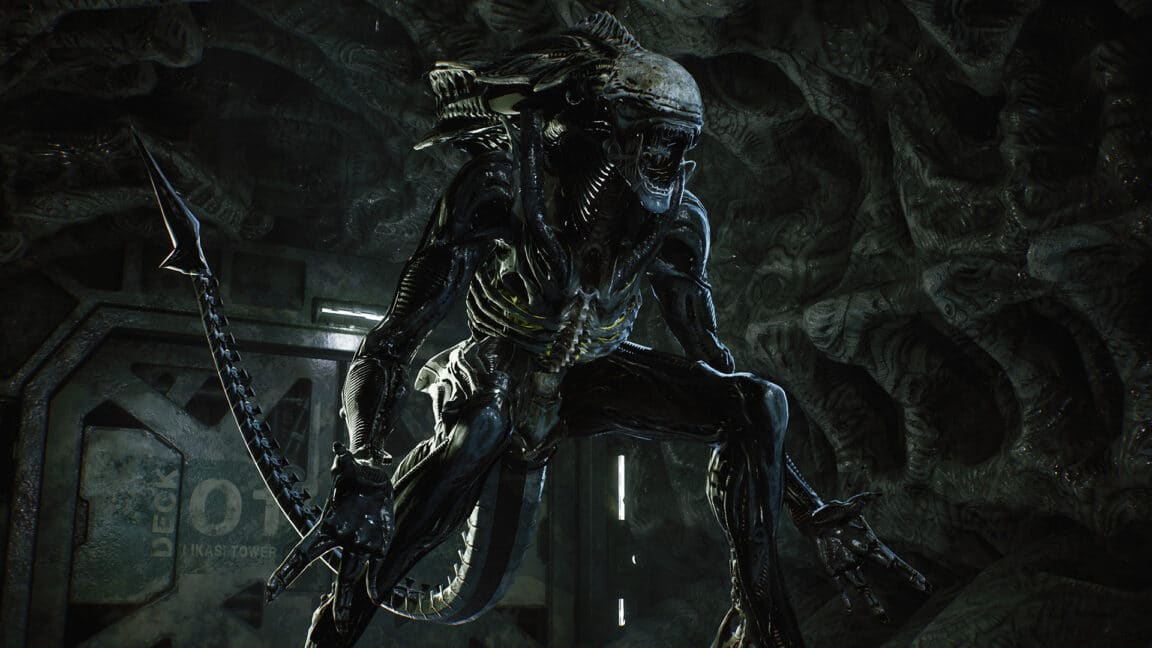
Cold Iron Studios has permanently shut down the cloud servers for Aliens: Fireteam Elite on Nintendo Switch, following a March announcement that gave players roughly five months of warning. The cooperative third-person shooter, based on the Alien film franchise and originally released in 2021, was sold at $30 for the base edition and $60 for an "Ultimate" edition that included additional content. Players who purchased either version now have zero access to the game they paid for, and the studio has not issued refunds.
Instead, affected customers have been offered a discount toward the Nintendo Switch 2 version of the same title. That means paying again for a game they already bought once, a scenario that underscores one of the most contentious aspects of cloud-only game distribution: when the servers go dark, your purchase disappears with them.
Cloud Gaming's Ownership Problem
The closure highlights a structural tension in cloud gaming. Unlike traditional downloads or physical cartridges, cloud titles depend entirely on remote servers operated by the publisher or platform holder. When those servers are decommissioned, the product ceases to exist in any playable form. There is no hard drive to archive it on, no cartridge to resell, and no legal mechanism that compels the seller to keep the service running or return the purchase price.
In regions with stronger consumer protection frameworks, such shutdowns have occasionally triggered regulatory scrutiny. The European Union's Digital Content Directive, for instance, requires that digital goods remain accessible for a "reasonable" period, though enforcement remains patchy and the definition of "reasonable" is still contested in courts. Japan's Consumer Contract Act similarly grants limited recourse when a service is withdrawn prematurely, but case law around cloud gaming remains thin. In North America, end-user license agreements typically shield publishers from refund obligations, a legal asymmetry that leaves players with little leverage.
Cold Iron Studios' decision to offer a discount rather than a refund is, from a legal standpoint, entirely optional. That it is framed as compensation suggests the studio recognizes the optics problem, even if it does not acknowledge a legal obligation.
The Switch 2 Discount: Compensation or Upsell?
The discount on the Switch 2 version raises its own questions. For one, it assumes players intend to upgrade to Nintendo's next-generation console, which may not launch for months or may carry a price point that excludes some of the original customer base. For another, it converts a one-time purchase into a conditional future offer, effectively making the original transaction a down payment rather than a completed sale.
At DailyTechWire, we have tracked similar cases across mobile and console platforms over the past three years. In 2024, Ubisoft shut down servers for The Crew, a racing game sold at full price, and offered no compensation whatsoever. That closure prompted a class-action lawsuit in California and a formal complaint to France's DGCCRF consumer protection agency. In contrast, when Sony discontinued access to purchased PlayStation 3 and Vita titles in 2021, it reversed course after public backlash and extended legacy server support. The inconsistency reveals that industry norms around cloud and digital game shutdowns remain unsettled.
Why the Switch Cloud Model Is Particularly Vulnerable
Nintendo's cloud gaming offerings on the Switch occupy an unusual niche. Because the console's mobile hardware is underpowered relative to PlayStation 5 or Xbox Series X, several AAA titles have been released exclusively as cloud versions on the platform - Hitman 3, Control Ultimate Edition, and Kingdom Hearts III among them. These versions allow Nintendo users to play graphically demanding games, but they also mean those users are entirely dependent on third-party server infrastructure that Nintendo does not control.
Cold Iron Studios, as the publisher, operated the backend for Aliens: Fireteam Elite. That operational responsibility also means the studio alone decided when to shut it down. Nintendo's eShop terms of service disclaim liability for third-party cloud services, leaving players with no direct recourse through the platform holder. This fragmented accountability is a recurring problem in the cloud gaming ecosystem: when something breaks, it is often unclear who is responsible, and by the time the question is resolved, the servers are already offline.
A Broader Trend in Digital Deprecation
The Aliens: Fireteam Elite shutdown is part of a larger pattern. As live-service and cloud-dependent titles proliferate, the average lifespan of a purchased game is shortening. A 2025 study by the Game Preservation Society found that more than 40 percent of online-only games released between 2018 and 2023 are no longer playable, either because servers were shut down or because critical backend services were decommissioned. That figure rises to nearly 60 percent for free-to-play mobile titles, but paid console games are increasingly affected as well.
For players in markets like Southeast Asia, where cloud gaming has grown rapidly due to lower hardware costs, the implications are significant. Indonesia, the Philippines, and Vietnam have all seen a surge in cloud-only game subscriptions over the past two years, but regulatory frameworks for digital goods remain nascent. When a game disappears, consumer protection agencies often lack the legal tools or technical expertise to intervene.
What Comes Next
Cold Iron Studios has not commented publicly on whether the discount offer will be extended beyond an initial redemption window, nor has it disclosed how many players were affected by the shutdown. The studio's parent company, Daybreak Game Company, which is owned by Enad Global 7, has similarly remained silent. Daybreak has a history of operating long-running live-service titles like EverQuest, but it has also shuttered several smaller projects with little notice.
For the players who paid $30 or $60 for Aliens: Fireteam Elite on Switch, the outcome is clear: they no longer own what they bought, and their only path forward involves spending more money. Whether that precedent will prompt regulatory action, class-action litigation, or simply consumer resignation remains to be seen. What is certain is that as cloud gaming grows, the question of what players actually purchase when they click "buy" is becoming harder to answer.