CarPlay's Video Playback Feature Needs Automakers to Play Along
Apple has built the infrastructure for in-car video streaming, but hardware constraints and missing OEM support mean the feature remains vaporware for most drivers.
The Promise That Hasn't Materialized
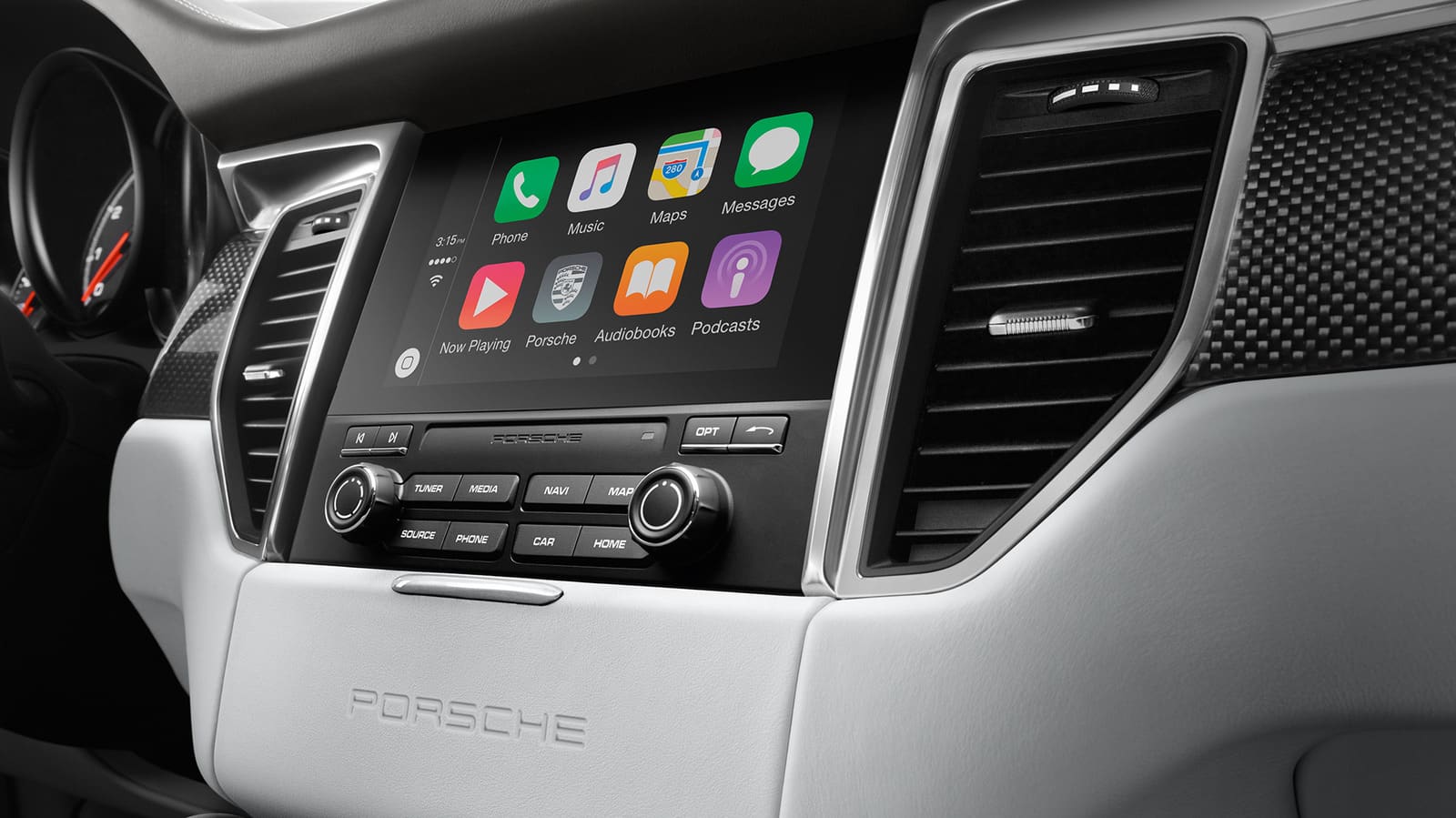
Apple announced at WWDC 2026 that iOS 27 will bring native video browsing and playback to CarPlay, allowing drivers to watch content on their vehicle displays while parked. The timing aligned with Google's parallel push for HD video on Android Auto, suggesting a broader industry shift toward in-car entertainment. Yet months later, the feature remains absent from production vehicles, and Apple has offered no timeline for when drivers might actually use it.
The gap between announcement and availability reveals a fundamental tension in automotive software: tech companies can ship APIs and frameworks, but deployment depends on hardware partners who move on multi-year product cycles. For CarPlay video, that dependency is proving expensive.
How the System Is Designed to Work
Apple's developer session at WWDC 2026 outlined the mechanics. App developers can enable video playback for streaming services once a vehicle supports the "video in car" capability. The interface layer resembles familiar streaming apps: thumbnail grids, a mini player with transport controls, and full-screen playback with subtitle options. Users can browse libraries and manage playlists directly from the head unit.
The system enforces a strict safety constraint. Video streams only when the vehicle detects it is stationary. Motion triggers an automatic fallback to audio-only mode. This prevents distracted driving while preserving utility for scenarios like charging stops, ride-hailing standby, or school pickup queues.
Under the hood, the feature builds on AirPlay streaming infrastructure Apple introduced in iOS 26.4. That earlier release enabled basic video mirroring from an iPhone to the car display, but the new implementation in iOS 27 allows direct interaction with video content through the CarPlay interface itself, eliminating the need to handle the phone.
The Hardware Bottleneck
The technical requirements expose why adoption has stalled. CarPlay video mirroring mandates a minimum display resolution of 1,920 x 1,080 pixels. Many factory head units, particularly in vehicles more than three years old, ship with lower-resolution panels to control costs. Upgrading the display in an existing model line requires retooling that automakers typically reserve for full redesigns.
Memory is another constraint. Smooth video playback demands at least 4GB of RAM and hardware decoding for H.265/HEVC codecs. Budget and mid-tier vehicles often allocate less memory to infotainment systems, prioritizing cost over multimedia performance. Even some premium models from 2024 and 2025 fall short of these specs.
Wireless CarPlay already relies on AirPlay for connectivity, so the protocol layer is in place. But streaming high-definition video imposes far higher bandwidth and processing demands than audio and navigation data. Head units that handle CarPlay's existing workload may lack the chipset horsepower to decode video in real time without frame drops or thermal throttling.
The Missing OEM Commitments
At WWDC 2025, Apple told developers that automakers would need to implement support on two fronts: integrating the hardware capable of video playback and adding vehicle logic to detect park mode. A year later, no manufacturer has publicly committed to shipping the feature.
This silence contrasts sharply with Google's approach. At I/O 2026, Google demonstrated YouTube running on Android Auto inside a Kia EV and named Skoda, Volvo, Kia, and Mercedes-Benz as partners supporting HD 60fps playback. Those announcements came with prototype demos and rough availability windows.
Apple's reticence likely reflects the absence of firm OEM partnerships rather than strategic choice. Automakers move cautiously with infotainment updates, wary of warranty implications and the engineering cost of validating new software across trim levels and model years. Video playback introduces variables like codec licensing, display calibration, and thermal management that require months of testing.
The EV charging use case offers the clearest value proposition. Drivers spending 20 to 40 minutes at a fast charger represent a captive audience, and video entertainment could differentiate models in a crowded market. Yet even EV-focused brands have stayed quiet, suggesting the feature remains in early negotiation or pilot phases.
What Apple Isn't Saying
Apple typically markets consumer-facing features with enthusiasm: product shots, partner logos, and availability dates. The muted rollout of CarPlay video suggests the company views it as infrastructure rather than a launch-ready product. Developer sessions at WWDC are often a year or more ahead of mass-market deployment, giving the ecosystem time to prepare.
The company has two major events on the calendar where it could surface more details: the iPhone 18 unveiling expected in September and a possible Mac-focused event later in the year. Either would provide a stage to announce OEM partnerships or showcase the feature in a production vehicle. Until then, the silence points to unresolved logistics.
One possibility is that Apple is waiting for a critical mass of compatible vehicles before promoting the feature to avoid consumer confusion. Announcing a capability that works in only a handful of 2027 model-year cars risks customer frustration and support burden. The company may prefer to delay marketing until a broader swath of the installed base can access it.
The Mirroring Workaround That Doesn't Work
iOS 26.4's video mirroring feature was supposed to offer a stopgap. By enabling AirPlay in a supported app and selecting the CarPlay system as a destination, drivers could theoretically mirror iPhone video to the car display. In practice, the feature remains largely theoretical.
Despite widespread wireless CarPlay adoption, most systems do not expose an AirPlay mirroring option for video. The underlying Wi-Fi Direct connection exists for CarPlay, but automakers have not enabled the mirroring endpoint in their firmware. Whether this reflects a deliberate choice to avoid liability or simply a lack of engineering priority is unclear.
Even in systems where mirroring technically functions, the resolution and memory constraints discussed earlier apply. A driver with a 2023 model equipped with a 1,280 x 720 display cannot mirror video, even if the head unit runs the latest firmware. The hardware gap is absolute.
Why This Matters for the Infotainment Wars
Video playback represents a new front in the competition between Apple and Google for automotive dashboard dominance. Both platforms have saturated the market for navigation and audio; the next battleground is immersive media. Winning here means deeper user engagement and more leverage in negotiations with automakers.
Google's early lead with named OEM partners puts pressure on Apple to move quickly. CarPlay enjoys strong brand loyalty among iPhone users, but if Android Auto delivers video first in popular models, it could sway purchase decisions at the margins. Auto buyers increasingly weigh infotainment capabilities alongside traditional factors like performance and fuel economy.
For automakers, supporting video playback is a double-edged proposition. It enhances the ownership experience and can justify premium pricing, but it also cedes more control to platform owners. Every feature Apple or Google adds to CarPlay and Android Auto reduces the differentiation automakers can claim through proprietary systems. The reluctance to commit may reflect that strategic ambivalence as much as technical hurdles.
At DailyTechWire, we've tracked how software-defined vehicles shift power from manufacturers to platform providers. Video on CarPlay is a small feature in isolation, but it continues a pattern: the car becomes a screen, and the screen is governed by Cupertino and Mountain View, not Detroit or Stuttgart.
The Road Ahead
Apple has laid the technical groundwork for video in CarPlay, and iOS 27 will ship with the necessary APIs. What remains uncertain is when drivers will actually see it. The company's upcoming product events offer the most likely venues for progress updates, but even optimistic timelines suggest limited availability in late 2026 or early 2027 model-year vehicles.
In the meantime, the feature serves as a reminder that automotive innovation operates on a different clock than consumer electronics. Apple can push an iOS update to a billion devices overnight; getting that same capability into car dashboards takes years of negotiation, integration, and validation. The smartphone won the speed race long ago. The car is still catching up.