Apple Trims Over 200 Staff as It Reorients Around Intelligence Push
The cuts hit Vision Pro, Siri, and AI integration teams as the iPhone maker shifts resources toward its broader machine learning strategy and grapples with rising hardware costs.
A Pruning Exercise in Cupertino
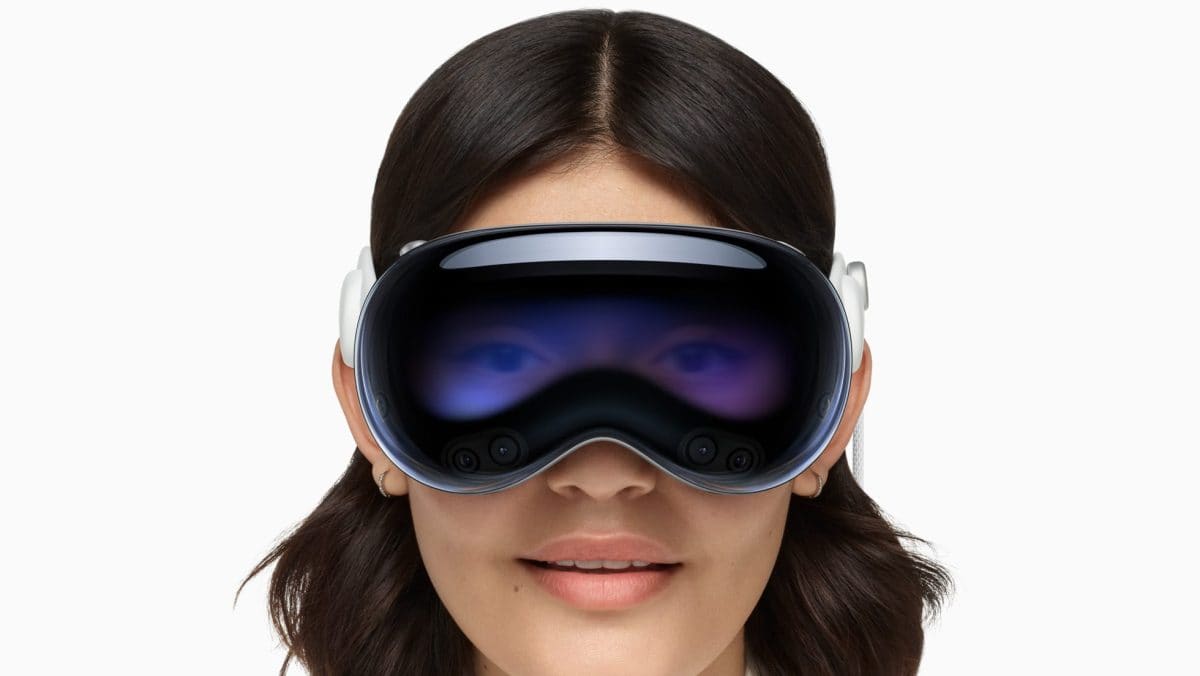
Apple has cut more than 200 roles across several hardware and software divisions, with roughly half coming from the team building Vision Pro, the mixed-reality headset that has struggled to find its footing since launch. The remainder of the reductions have touched the Siri organization and a group called Intelligent Systems Experience, which works on embedding machine learning features into devices, according to people familiar with the matter.
The iPhone maker confirmed the workforce reduction, framing it as part of an effort to "evolve our business to deliver the best experiences for our users." The company noted it would create new positions even as it eliminated existing ones, though it did not specify which divisions would see expansion.
Vision Pro's Rocky Trajectory
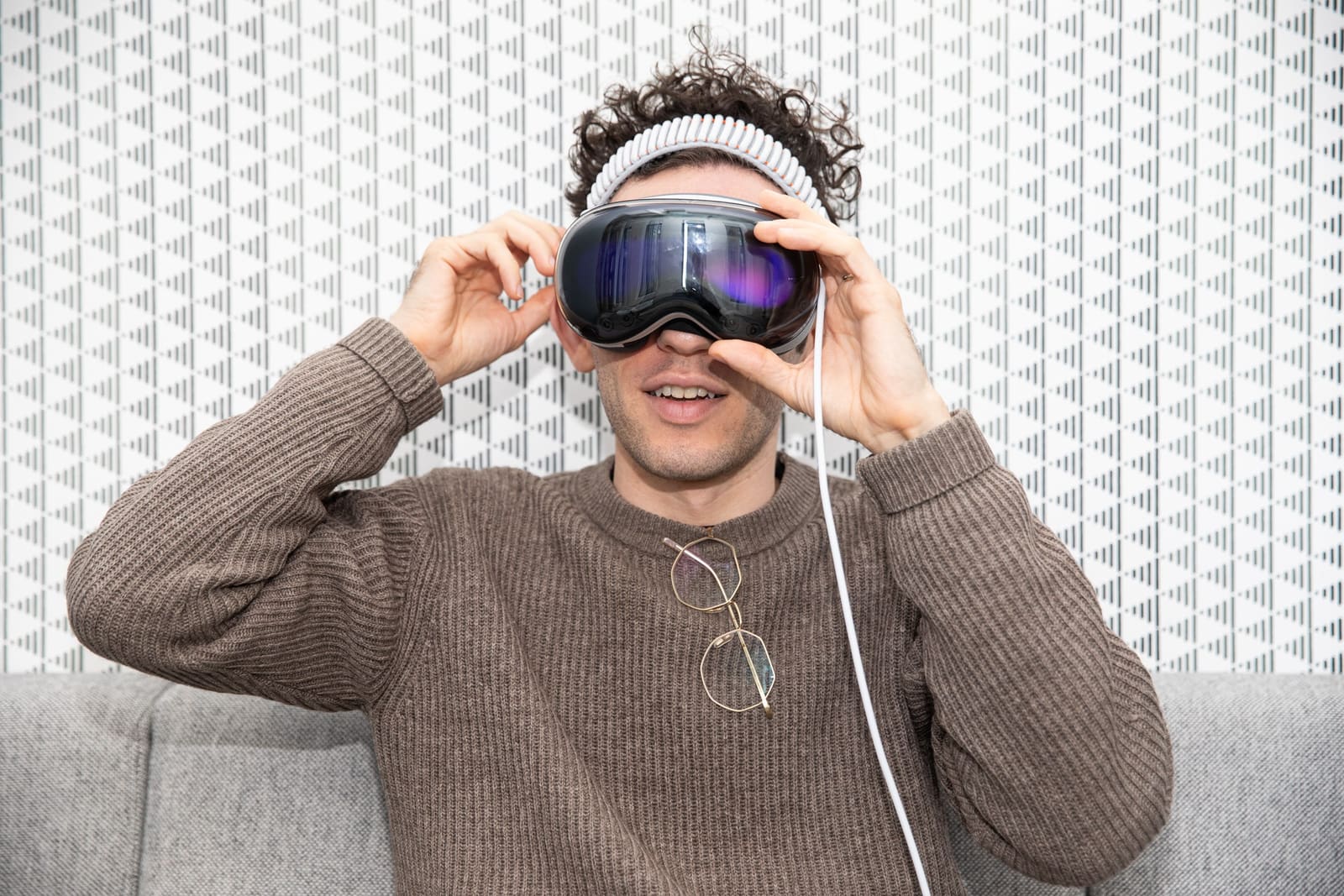
Vision Pro entered the market with ambitious promises but has faced headwinds around pricing, content availability, and consumer appetite for spatial computing. The device carries a starting price north of three thousand dollars, positioning it as a developer and enterprise tool rather than a mass-market product. Cutting a hundred positions from that team suggests Apple is recalibrating its investment level or narrowing the scope of near-term hardware iterations.
At DailyTechWire, we have tracked similar adjustments across the Asia-Pacific hardware ecosystem, where manufacturers often scale teams up aggressively during product development, then trim once a device moves from prototyping into steady-state production. The difference here is that Vision Pro remains a first-generation platform; pulling back this early may indicate either a longer roadmap to profitability or a strategic pivot toward software and services that run on the headset rather than rapid hardware refreshes.
Siri and the Intelligence Reshuffle
The reductions in the Siri and Intelligent Systems Experience groups come as Apple races to catch rivals in generative AI and large language model integration. The company has historically kept its voice assistant development relatively insular, but the explosion of ChatGPT and similar tools has forced a rethink. Cutting roles in these legacy teams while simultaneously announcing new hiring elsewhere points to a classic reorganization: sunset older architectures, redirect engineering talent toward transformer-based models and on-device inference.
Industry observers note that Apple's approach to AI has leaned heavily on privacy and on-device processing, which demands different skill sets than cloud-first competitors employ. The reshuffle likely reflects a move to consolidate overlapping efforts and concentrate resources on a unified intelligence layer that can power everything from Siri to photo search to predictive text.
Memory Costs and Pricing Pressure
Beyond organizational changes, Apple is navigating a supply squeeze. Demand for high-bandwidth memory, driven by AI training and inference workloads across the industry, has pushed up component costs for consumer devices. Earlier this year, the company raised prices on Mac and iPad models, and it recently rolled out a leasing program for its major hardware lines, an unusual step for a brand that has historically relied on outright purchase as its primary sales model.
The leasing initiative aims to broaden the customer base by lowering the upfront barrier, but it also reflects margin pressure. If memory prices remain elevated, Apple may need to either absorb the cost, pass it along, or find efficiencies elsewhere in the bill of materials. Workforce reductions, while modest in absolute terms, are one lever among many.
Legal Entanglement with OpenAI
Compounding the operational turbulence, Apple is currently litigating against OpenAI over allegations of trade secret misappropriation. The suit centers on claims that former Apple engineers who joined OpenAI brought proprietary knowledge about machine learning infrastructure and model training techniques. The case is still in early stages, but it underscores the competitive and legal friction that now characterizes the AI sector.
For a company that prizes secrecy and vertical integration, the lawsuit is both a defensive maneuver and a signal to the talent market: departures carry risk. It also raises questions about how Apple will collaborate with or compete against the very partners it has historically worked with on chip design, cloud services, and developer tools.
What the Cuts Reveal About Strategy
Layoffs at Apple are rare enough to warrant scrutiny. The company has long prided itself on disciplined hiring and minimal churn, so a reduction of this size, even if it represents a fraction of total headcount, suggests deliberate reallocation rather than panic. The pattern is clear: pull back on projects that have underperformed or require longer horizons, double down on areas where the company sees near-term differentiation.
Vision Pro may not be dead, but it is no longer the all-hands bet it appeared to be a year ago. Siri, once the flagship AI product, is being subsumed into a broader intelligence strategy that borrows more from contemporary machine learning than from the rule-based systems that defined earlier versions. And the broader hardware portfolio is being stress-tested by cost inflation that no amount of brand loyalty can fully insulate.
Implications for the Asia Hardware Ecosystem
Apple's moves reverberate across its Asian supply chain. Foxconn, TSMC, and a constellation of memory, display, and sensor suppliers all calibrate production based on Apple's roadmaps. A slower Vision Pro ramp means lower orders for micro-OLED panels and depth sensors, which in turn affects investment decisions at component makers in Taiwan, South Korea, and Japan.
At the same time, the shift toward AI-centric devices, leasing models, and on-device inference could create new opportunities for suppliers that specialize in neural processing units, advanced packaging, and power-efficient memory. The question is whether those gains will offset the losses from a more cautious approach to experimental hardware.
For regional tech firms watching Cupertino, the lesson is familiar: even the most cash-rich company in the world must make trade-offs when markets shift. The AI buildout has reshuffled priorities across the industry, and Apple's latest personnel decisions are one more data point in that realignment.