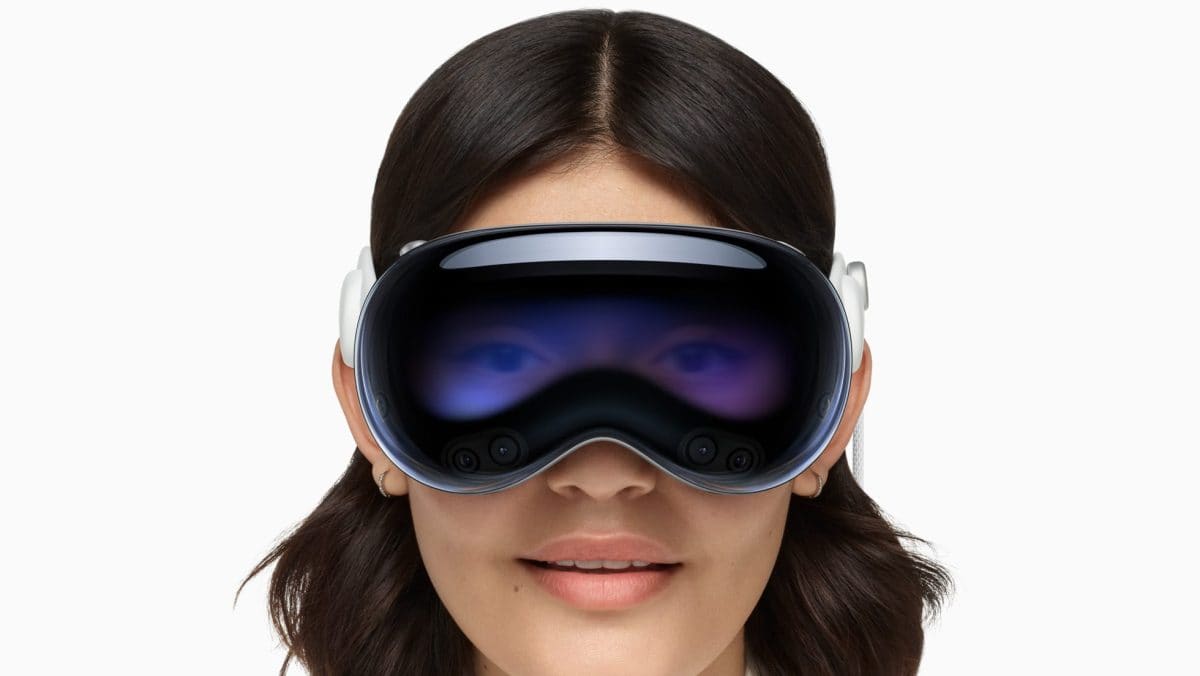
Apple Prunes Its Headset and Voice Assistant Teams as Strategy Pivots
Cupertino cuts roughly 200 roles across Vision Pro and Siri divisions, signaling a retreat from immersive gaming and a migration toward lightweight AR hardware and LLM-driven voice tech.
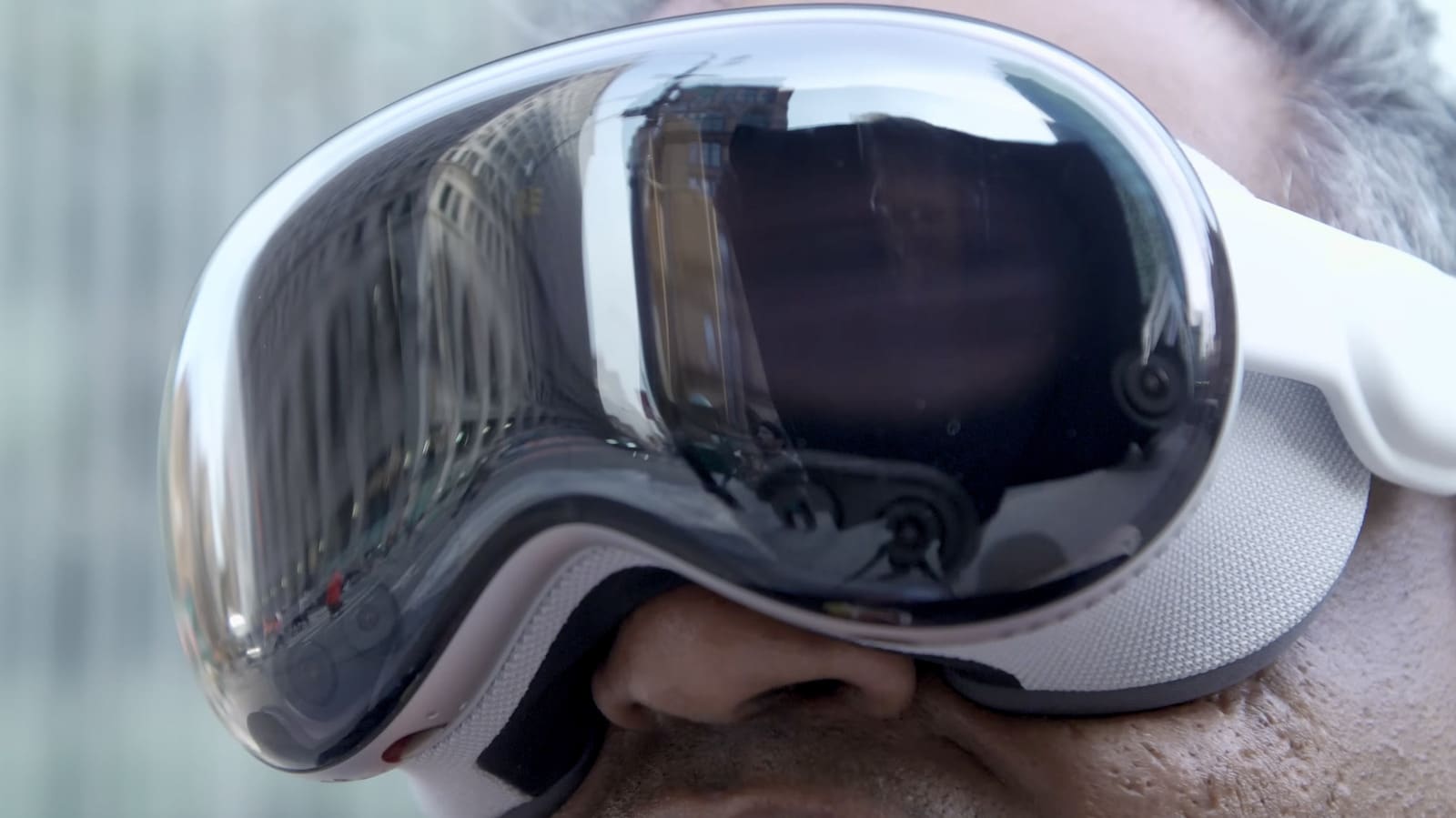
The Cuts and Their Distribution
Apple has eliminated approximately 200 positions across two flagship product divisions: the Vision Pro mixed-reality platform and the Siri voice assistant. According to company statements, the reductions affect roughly 100 people in the Vision Pro organization and another 100 in Siri and related software groups. The layoffs concentrate on teams that built gaming experiences and immersive video content for the Vision Pro, plus engineers who maintained the legacy Siri architecture before the company's pivot to large-language-model infrastructure.
Apple confirmed the reorganization, noting that it would "create new roles as part of this change" while acknowledging impact on existing employees. The company emphasized transition support, including internal transfer opportunities, but offered no timeline for the new hiring or detail on the skill sets it now prioritizes.
Why Gaming and Immersive Video Are on the Chopping Block
Immersive video and interactive gaming were cornerstone features when Apple launched the Vision Pro. The company courted filmmakers and game studios to produce high-resolution, spatial content that would justify the headset's computational horsepower. Yet production costs for that content proved steep, and the addressable audience remained small; at a retail price of $3,699, the Vision Pro struggled to gain traction beyond early adopters and enterprise pilot programs.
At DailyTechWire, we've tracked similar dynamics in the Asian VR market, where even lower-priced headsets from Pico and HTC face narrow adoption outside training and simulation verticals. Apple's decision to scale back investment in premium gaming and video suggests the company concluded that content subsidies cannot compensate for hardware economics. Instead of doubling down on an expensive, sit-down entertainment proposition, Cupertino appears to be reallocating capital and talent toward form factors that integrate into daily mobility.
The Siri Rebuild and the Shift to LLM Architecture
The Siri reductions target teams that worked on the assistant's earlier rule-based and machine-learning pipelines. With the rollout of an LLM-powered Siri in iOS 27, Apple now requires engineers versed in transformer inference, prompt orchestration, and retrieval-augmented generation rather than the keyword-intent frameworks that defined the previous decade of voice software. The layoffs reflect a competency mismatch as much as a headcount optimization; legacy Siri specialists may lack the fine-tuning and embedding expertise the new stack demands.
This mirrors workforce realignments across the region. Samsung's Bixby team in Seoul underwent similar restructuring last year, and Chinese voice-platform operators have consolidated legacy NLU groups into unified LLM labs. The shift is less about eliminating voice assistants than about consolidating them onto a single, more capable architecture that can handle multi-turn dialogue, contextual memory, and tool use without hard-coded intents.
From Premium Headsets to Everyday Eyewear
Multiple reports over the past year have indicated that Apple shelved a direct Vision Pro successor in favor of lightweight augmented-reality glasses comparable to Meta's Ray-Ban collaboration. The departure of the Vision Pro vice president to OpenAI earlier this year, coupled with internal team reassignments, lends weight to the notion that the headset roadmap has been downgraded. Apple told employees that VisionOS development continues and that a new model may arrive as early as 2028, but the timeline and scope suggest a maintenance effort rather than a flagship push.
Smart glasses offer a different value proposition: always-on availability, social acceptability, and a price point that could approach consumer-smartphone territory if Apple leverages existing supply chains for optics and low-power silicon. The trade-off is a dramatic reduction in display real estate and compute capability, which in turn makes immersive gaming and high-resolution video untenable. By redirecting Vision Pro personnel toward glasses development, Apple is effectively conceding that portable, contextual computing beats stationary immersion in the near term.
What the Layoffs Signal About Apple's Hardware Priorities
The cuts arrive against a broader backdrop of caution in the extended-reality sector. Meta has scaled back Reality Labs spending, and venture funding for VR content studios has contracted sharply since 2024. Apple's reorganization suggests the company is unwilling to subsidize a nascent ecosystem when the hardware attach rate remains anemic. Instead, it is channeling resources into two areas where it believes it can achieve scale: voice AI that runs on hundreds of millions of existing iPhones, and wearable AR that leverages the iPhone as a compute anchor.
For employees affected by the reductions, the transition will test Apple's internal mobility apparatus. The company's assertion that it will support transfers to other roles is standard in large-scale tech layoffs, but success depends on whether displaced engineers can reskill quickly or whether open requisitions match their expertise. Engineers who specialized in Unity-based VR workflows or bespoke video pipelines may find fewer direct fits than those with transferable skills in graphics, computer vision, or systems software.
The Road Ahead for Vision Pro and VisionOS
Apple's messaging to staff that Vision Pro "isn't going away" should be read in context. A 2028 refresh cycle would represent a three-year gap, unusually long for a product Apple once positioned as the future of spatial computing. In the interim, the platform will likely serve niche enterprise use cases, developer experimentation, and luxury early-adopter demand, but it will not receive the sustained content investment or rapid hardware iteration that characterized the iPhone's early years.
VisionOS will continue to evolve, particularly as Apple explores how its frameworks might apply to lighter form factors. Core technologies such as spatial anchoring, hand tracking, and EyeSight external display could migrate to glasses, even if the full windowing environment does not. The operating system's future may lie less in powering a standalone headset and more in providing a shared foundation for a family of wearable devices.
Implications for the Broader XR and AI Landscape
Apple's retrenchment will reverberate across the extended-reality supply chain. Component vendors, content studios, and middleware providers that bet on Vision Pro momentum must now recalibrate. At the same time, the company's commitment to LLM-driven Siri and AR glasses aligns with broader industry trends: voice interfaces are consolidating onto generative models, and wearables are prioritizing ambient utility over escapist immersion.
For competitors, the shift creates both opportunity and caution. Meta's continued investment in Quest and Ray-Ban glasses looks more differentiated now that Apple has stepped back from premium VR. Yet Apple's eventual entry into smart glasses, backed by its silicon design and retail footprint, will remain a formidable threat. In Asia, players such as Xiaomi, OPPO, and Rokid are already staking out positions in lightweight AR; Apple's pivot validates the category but also raises the competitive bar.
The layoffs, while modest in absolute terms, underscore a strategic recalibration. Apple is moving away from expensive, stationary experiences toward portable, AI-augmented tools that fit into existing routines. Whether that bet pays off will depend on execution, but the direction is now clear: the future Apple envisions is one you wear on your face all day, not one you strap on at home.