Amazon's Texas Data Center Gambit Raises Carbon Questions
A massive natural-gas facility in Pecos County will deliver nearly 8 gigawatts to a single Amazon site, bypassing the state grid and potentially becoming one of the nation's largest single emitters.
A Dedicated Power Plant for One Facility
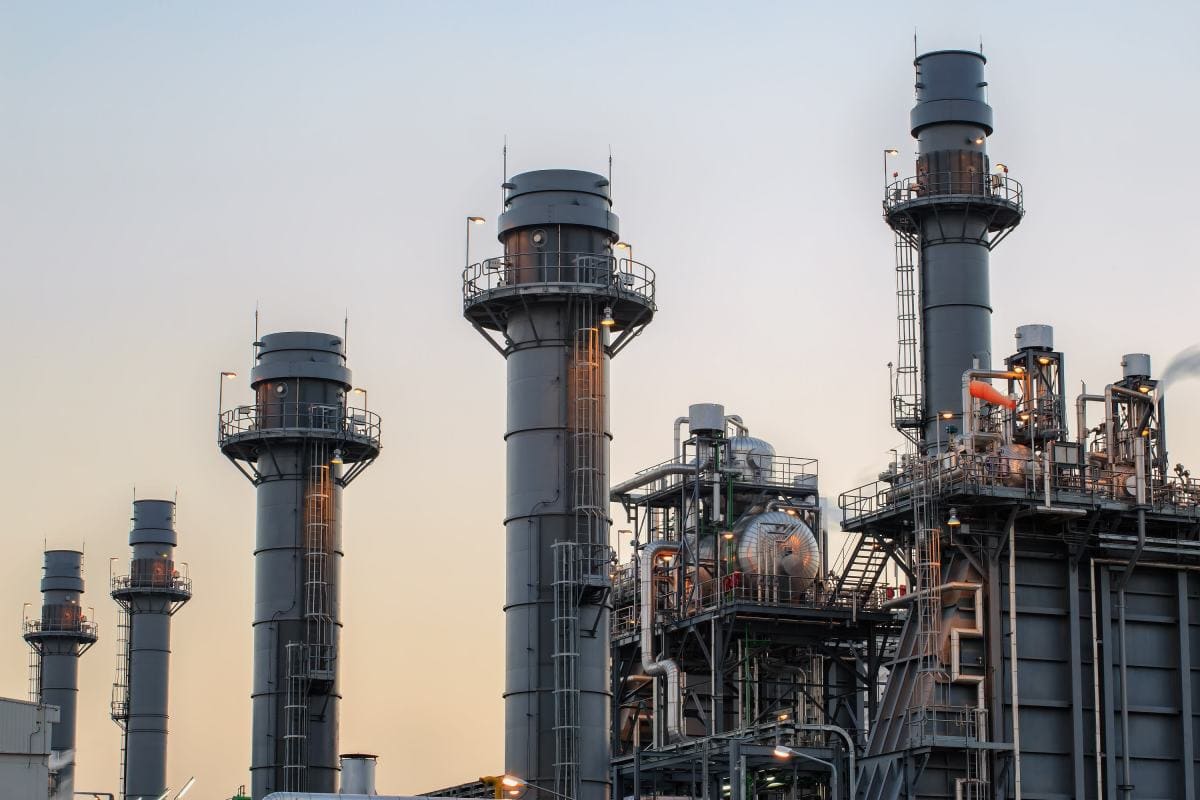
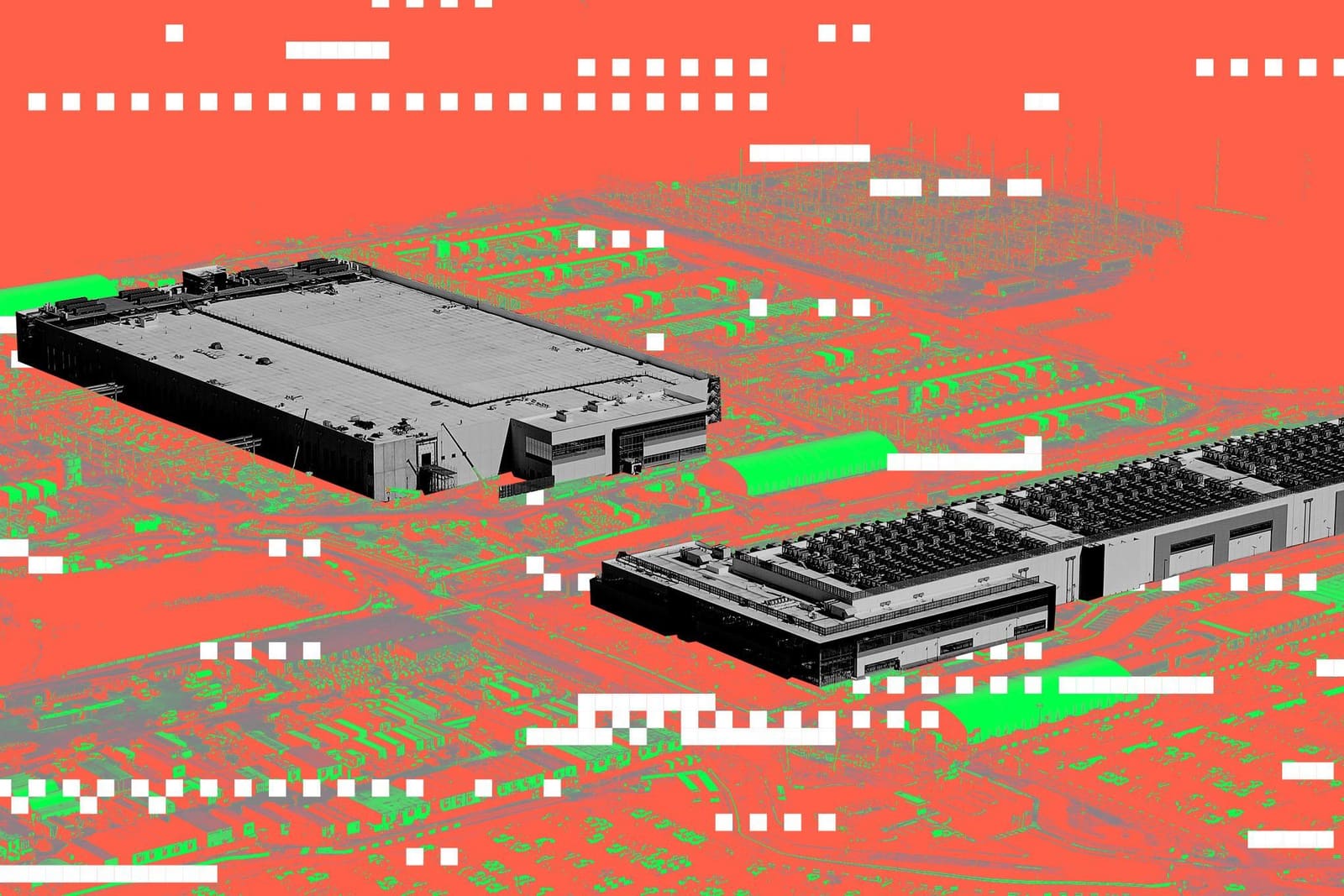
Amazon has committed substantial capital to a natural-gas power facility in Pecos County, Texas that will generate 7.65 gigawatts through 35 turbines. The plant, known as GW Ranch, received state permits and will initially operate independently of Texas's main electricity grid. Its primary purpose: supplying power to a single Amazon data center under construction nearby.
The arrangement represents a sharp departure from the traditional model in which hyperscalers draw from shared grid capacity or procure renewable energy through power-purchase agreements. Here, Amazon is vertically integrating generation and consumption, creating a closed-loop system that sidesteps the constraints and obligations of interconnection.
At DailyTechWire, we've tracked a growing number of direct-to-facility power deals across Asia and North America as AI training and inference workloads push electricity demand beyond what municipal grids can reliably deliver. But the scale and fuel source of this Texas project stand out.
Why Natural Gas, and Why Now
The facility will burn natural gas, a fossil fuel that emits roughly half the carbon dioxide per unit of energy compared to coal but remains far more carbon-intensive than wind, solar, or nuclear. According to data from Cleanview, a firm that monitors data-center infrastructure and associated energy projects, GW Ranch's permit allows for emissions levels that could place it among the top individual point sources of greenhouse gases in the United States.
Amazon has not disclosed the expected annual emissions tonnage, but the scale of generation offers a rough proxy. A 7.65-gigawatt gas plant running at high utilization could produce several million metric tons of CO₂ annually, depending on turbine efficiency and load factor.
The timing aligns with broader industry pressure. Major cloud providers have committed to net-zero or carbon-neutral targets by 2030 or 2040, yet AI workloads are expanding faster than renewable capacity can be deployed. Natural gas offers dispatchable, reliable power that can be brought online in two to three years, compared to five or more for nuclear or large-scale solar-plus-storage complexes.
Texas, with its deregulated energy market and abundant gas reserves, has become a magnet for data-center developers willing to trade carbon intensity for speed and cost. The state's grid operator, ERCOT, has faced capacity warnings during peak summer and winter demand, making off-grid solutions attractive for operators who cannot tolerate downtime.
The Off-Grid Calculus
By keeping the plant disconnected from ERCOT, Amazon avoids interconnection queues, transmission upgrade costs, and exposure to spot-market volatility. It also skirts certain grid-reliability obligations that would otherwise apply to a facility of this size.
But the strategy carries trade-offs. An off-grid plant cannot sell surplus power during periods of low data-center demand, reducing revenue optionality. It also forfeits the ability to draw on grid reserves if the turbines experience outages or maintenance downtime, requiring Amazon to build in significant redundancy or accept the risk of downtime.
From a regulatory perspective, off-grid facilities face lighter scrutiny than grid-connected assets, particularly in Texas, where environmental oversight of energy infrastructure is less stringent than in states like California or New York. The GW Ranch permit was issued by the Texas Commission on Environmental Quality, which does not impose the same carbon accounting or offset requirements that some other jurisdictions do.
Emissions, Offsets, and the Path Forward
Amazon has publicly committed to powering its operations with 100 percent renewable energy by 2030 and achieving net-zero carbon by 2040. The company has invested heavily in wind and solar projects globally and is a leading corporate buyer of renewable energy credits.
Yet the GW Ranch project illustrates the gap between long-term climate commitments and near-term operational imperatives. Building a data center of this scale without a dedicated, reliable power source is not feasible in most markets today. Renewable energy, while increasingly cost-competitive, cannot yet provide the baseload reliability required for 24/7 AI training clusters or inference serving.
Amazon could theoretically offset the plant's emissions through renewable energy credits, carbon capture investments, or reforestation programs. But offsets remain controversial. Critics argue they allow companies to continue high-emissions activities while claiming carbon neutrality on paper, without reducing actual atmospheric CO₂ concentrations in the near term.
The company has not yet detailed its offset strategy for this facility, and it remains unclear whether the plant will eventually be retrofitted for carbon capture or converted to run on hydrogen or another lower-carbon fuel.
Regional and Industry Implications
The West Texas corridor is emerging as a critical node in North America's AI infrastructure map. The region offers cheap land, proximity to gas pipelines, favorable tax treatment, and minimal local opposition. Several other hyperscalers and AI-focused compute providers are evaluating similar off-grid or microgrid models in the area.
If the GW Ranch model proves economically viable, it could set a precedent for other operators facing grid constraints in high-growth markets. That would accelerate data-center deployment but also lock in fossil-fuel dependence for the next decade or longer, complicating sector-wide decarbonization efforts.
Regulators and policymakers in other jurisdictions are watching closely. The European Union, South Korea, and Singapore have all tightened data-center energy-efficiency and emissions-reporting requirements in the past two years. A proliferation of off-grid gas plants in the U.S. could widen the carbon-intensity gap between American and Asian or European cloud infrastructure, potentially influencing customer and investor decisions.
What Comes Next
Amazon's West Texas plant is expected to begin generating power in late 2027 or early 2028, according to construction timelines reviewed by industry analysts. The data center it will serve is likely to focus on AI model training and large-language-model inference, workloads that demand sustained high power density and low latency.
Whether Amazon pursues similar arrangements elsewhere will depend on grid conditions, regulatory environments, and the pace of renewable energy deployment. For now, the Pecos County project stands as a stark illustration of the tension between AI ambition and climate accountability, a tension that will define the next phase of hyperscale infrastructure development across the industry.