Tesla Quietly Expands Driverless Fleet in Austin as Cybercab Launch Looms
Crowdsourced data shows all 170 monitored rides in the past fortnight ran without safety drivers, a milestone months behind schedule but timed for the company's first purpose-built robotaxi rollout.
A Silent Transition to Full Autonomy
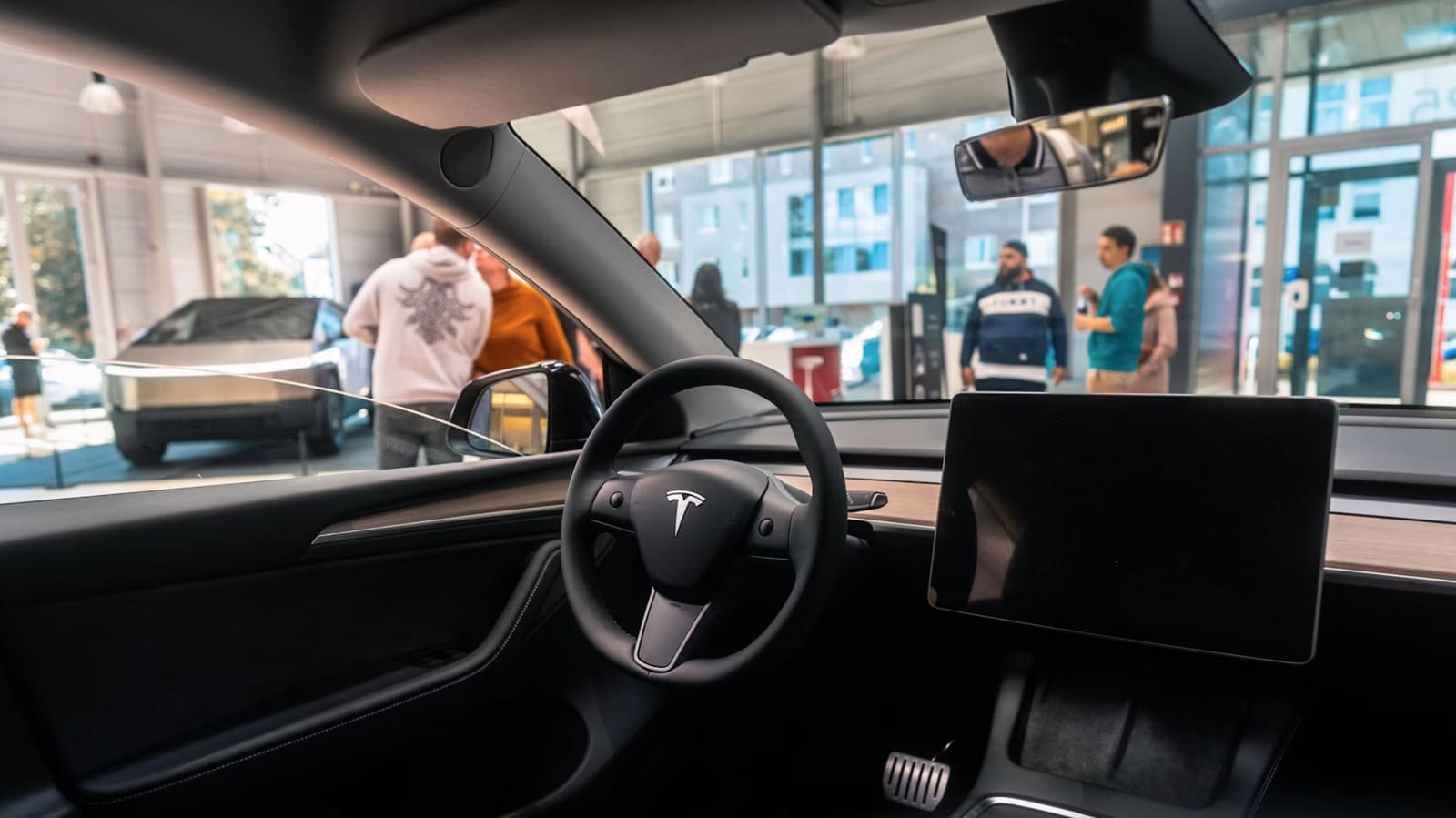
Tesla's autonomous ride-hailing fleet in Austin has shifted to fully driverless operation, according to data collected through a crowdsourced monitoring platform. Over the past two weeks, all 170 rides tracked in the Texas capital involved 54 distinct vehicles operating without human safety monitors, marking a significant operational milestone for the company's autonomous ambitions.
The shift represents a quiet reversal from earlier in the summer, when the unsupervised fleet appeared to be contracting rather than expanding. Just a week prior, monitoring showed only 28 vehicles operating without safety drivers across six markets. The sudden acceleration in Austin coincides with preparations for the imminent launch of the Cybercab, Tesla's first vehicle designed exclusively for autonomous operation.
Ethan McKanna, creator of the Robotaxi Tracker web application, has been aggregating ride data submitted by users across multiple cities. The platform's recent figures suggest that Austin has become Tesla's primary testbed for fully autonomous operations, with similar increases observed in Dallas and Houston. Social media posts from riders and observers in Austin have independently corroborated the expansion, including photos of vehicles bearing new license plates associated with the unsupervised fleet.
Months Behind the Original Timeline
The move to remove safety drivers from the entire Austin fleet comes significantly later than initially projected. In late 2024, Tesla announced plans to eliminate human monitors from all vehicles by the end of 2025. That deadline passed without the promised transition, leaving the company's autonomous claims in a familiar pattern of delayed execution.
At DailyTechWire, we've tracked Tesla's autonomous vehicle promises across multiple years and markets. The gap between announcement and implementation has been a persistent characteristic of the program, with regulatory hurdles, technical challenges, and scaling difficulties all contributing to slower-than-promised progress. The Austin expansion, while notable, arrives in a context where the company's credibility on timelines has been repeatedly tested.
The timing of the driverless expansion is unlikely to be coincidental. Tesla has informed employees that the Cybercab launch is scheduled for sometime this month, with Austin serving as the initial market. The vehicle represents a bold design choice: no steering wheel, no pedals, and no possibility of human takeover. It is, by design, incapable of supervised operation.
Questions Around Remote Assistance
The transition to unsupervised rides raises questions about the degree of autonomy actually being exercised. Earlier this year, reports emerged that some rides presented as fully autonomous were in fact connected to remote human operators capable of intervening or controlling the vehicle. This practice, sometimes called "teleassist" or remote driving, is not uncommon in the autonomous vehicle industry but complicates the definition of what constitutes true driverless operation.
Tesla has not publicly clarified the extent to which its current unsupervised fleet relies on remote human assistance. The distinction matters both for regulatory compliance and for assessing the maturity of the company's self-driving technology. If vehicles require frequent remote intervention, the operational model looks fundamentally different than one in which cars navigate complex urban environments with minimal human input.
The crowdsourced data from Robotaxi Tracker cannot capture whether remote operators are monitoring or assisting individual rides. It can only confirm that no safety driver is physically present in the vehicle. This leaves a gap in understanding the true level of autonomy being demonstrated in Austin and other markets.
Comparing Scale Across the Industry
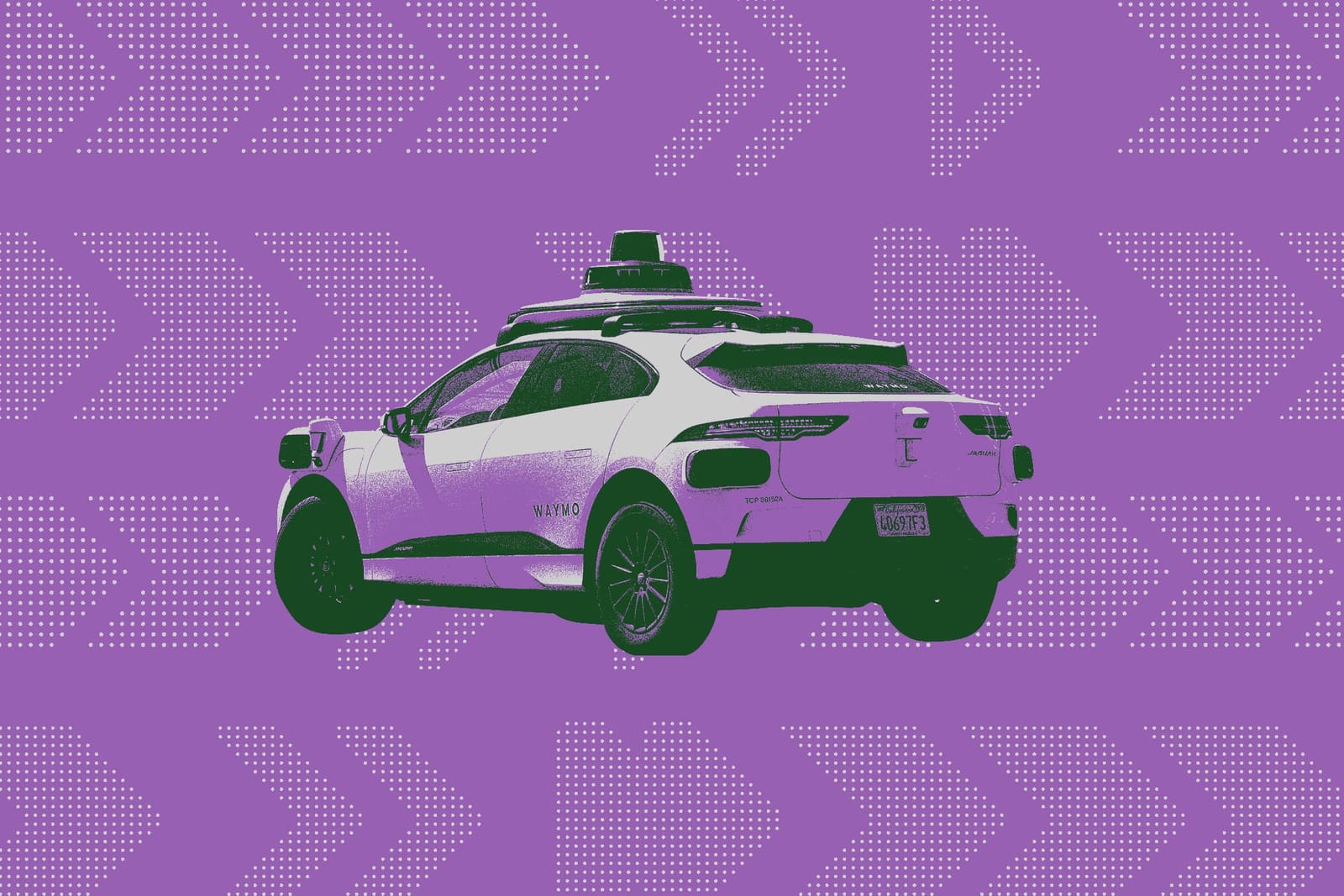
While the expansion in Austin represents progress for Tesla, it also highlights the gap between the company's autonomous fleet and those of established competitors. Waymo operates more than 300 driverless vehicles in Austin alone, according to publicly available figures, and runs approximately 4,000 vehicles across multiple cities including San Francisco, Los Angeles, and Phoenix.
The scale difference is not merely numerical. Waymo's vehicles have accumulated millions of autonomous miles in diverse conditions, and the company has navigated regulatory approvals in jurisdictions with rigorous safety oversight. Tesla's approach, by contrast, has leaned heavily on over-the-air software updates and a beta testing model that places public road users in proximity to vehicles still refining their capabilities.
That said, Tesla's asset base is fundamentally different. The company manufactures hundreds of thousands of vehicles annually, many of which are equipped with hardware theoretically capable of autonomous operation. If the software reaches a level of reliability that satisfies regulators and consumers, the potential to scale rapidly is significant. The question is whether the technology will reach that threshold, and whether the regulatory environment will permit the kind of deployment Tesla envisions.
The Cybercab Gambit
The Cybercab launch is Tesla's most explicit bet on a future without human drivers. The vehicle's design eliminates the possibility of manual control, committing the company to a fully autonomous product in a market where most competitors still include fallback systems. It is a high-stakes move that could either accelerate adoption of driverless technology or expose the limitations of the current generation of self-driving systems.
Tesla has announced a contest offering select riders in the Austin Robotaxi fleet a chance to attend the launch event, though no public date has been confirmed. The promotional approach reflects the company's longstanding strategy of building consumer excitement around product unveils, even when the underlying technology remains under development.
The initial rollout in Austin is expected to be limited in scope, with broader deployment contingent on performance data and regulatory approvals. Texas has generally adopted a permissive stance toward autonomous vehicle testing, which has made it an attractive market for companies seeking to demonstrate their technology without the intensive oversight required in states like California.
What Comes Next
The coming months will test whether Tesla's autonomous technology can operate reliably at scale without human oversight. The Cybercab launch will provide a public showcase for the company's capabilities, but the real measure of success will be operational data: ride completion rates, safety incidents, and the frequency of remote interventions.
For Austin residents and visitors, the expansion of the driverless fleet means more autonomous vehicles on city streets. Whether that translates to improved mobility options or heightened concerns about safety will depend on how the technology performs in real-world conditions. The city is becoming a testbed not just for Tesla, but for a broader question about how quickly autonomous vehicles can move from prototype to everyday infrastructure.
Tesla's silence on the fleet expansion, leaving the information to emerge through crowdsourced tracking and social media, is consistent with the company's unorthodox communication strategy. It also means that key details about the transition remain unclear. As the Cybercab debut approaches, the pressure to demonstrate not just flashy hardware but reliable, safe autonomous operation will only intensify.