Supermassive Games Cuts 75 Jobs as Horror Studio Faces Third Downsizing Since 2024
The UK developer behind Until Dawn enters redundancy consultation as franchise moves to Sony's internal teams
A Survival Struggle in the Horror Genre
Supermassive Games has announced plans to eliminate up to 75 positions through a redundancy consultation process, marking the UK studio's third workforce reduction in under three years. The company disclosed the decision in a statement, describing the cuts as essential to maintaining long-term viability.
For a studio that once stood as a beacon of narrative-driven horror gaming, the announcement underscores a broader contraction in mid-tier development. At DailyTechWire, we've tracked similar patterns across European and North American studios throughout 2025 and into 2026, where teams caught between indie budgets and AAA expectations face mounting pressure to justify headcount against volatile project pipelines.
The studio framed the layoffs as a difficult but necessary measure. "This is a necessary step to help ensure the sustainability of the company," Supermassive stated, adding that priority would be given to supporting affected employees during the transition.
A Pattern of Contraction
This is not Supermassive's first encounter with large-scale workforce reductions. The studio cut approximately 90 positions in February 2024, followed by another 35 job eliminations in July 2025. By the end of 2025, the company employed 172 people, a figure that will drop significantly following this latest round.
The timing of these cuts aligns with a broader industry trend. Game development employment across the UK, EU, and Asia-Pacific has seen cyclical volatility as publishers shift capital toward fewer, larger bets. Studios specializing in episodic or anthology formats face particular risk when individual titles underperform or when publishers consolidate franchises under internal teams.
Supermassive's revenue model, built largely on licensed IP and publisher-backed projects, leaves little room for error. The Dark Pictures Anthology, a multi-game series published by Bandai Namco, offered some stability, but the loss of Until Dawn as a tent-pole franchise removes a key negotiating asset in future publishing deals.
Leadership Transition and Franchise Departure
Former CEO Robert Henrysson stepped down in June 2026, just weeks after the studio released Directive 8020, its most recent title. The leadership change came at a moment when Supermassive was already navigating the loss of its most recognizable IP.
A sequel to Until Dawn was announced in June, but Supermassive will not be involved in its development. Sony has assigned the project to Firesprite, one of its internal studios. This marks the second consecutive Until Dawn project to bypass the original creator; Sony also handed the 2024 remake to another developer.
The franchise shift reflects a strategic calculation by Sony. By bringing Until Dawn in-house, the publisher gains tighter control over budget, timeline, and creative direction, while reducing dependency on external studios. For Supermassive, the move represents both a financial blow and a symbolic one, severing the studio from the IP that established its reputation in 2015.
The Economics of Narrative Horror
Supermassive's business model has always occupied a precarious niche. Narrative-driven horror games command passionate audiences but rarely achieve the scale of live-service titles or open-world franchises. Production costs for high-fidelity motion capture and branching storylines can approach those of AAA games, yet revenue often remains constrained by genre appeal and single-playthrough design.
The Dark Pictures Anthology attempted to address this by serializing content, releasing shorter, more frequent titles under a shared brand. The strategy offered some predictability, but sales for individual entries varied widely. Without the anchor of a blockbuster IP like Until Dawn, the studio's ability to secure favorable publishing terms likely diminished.
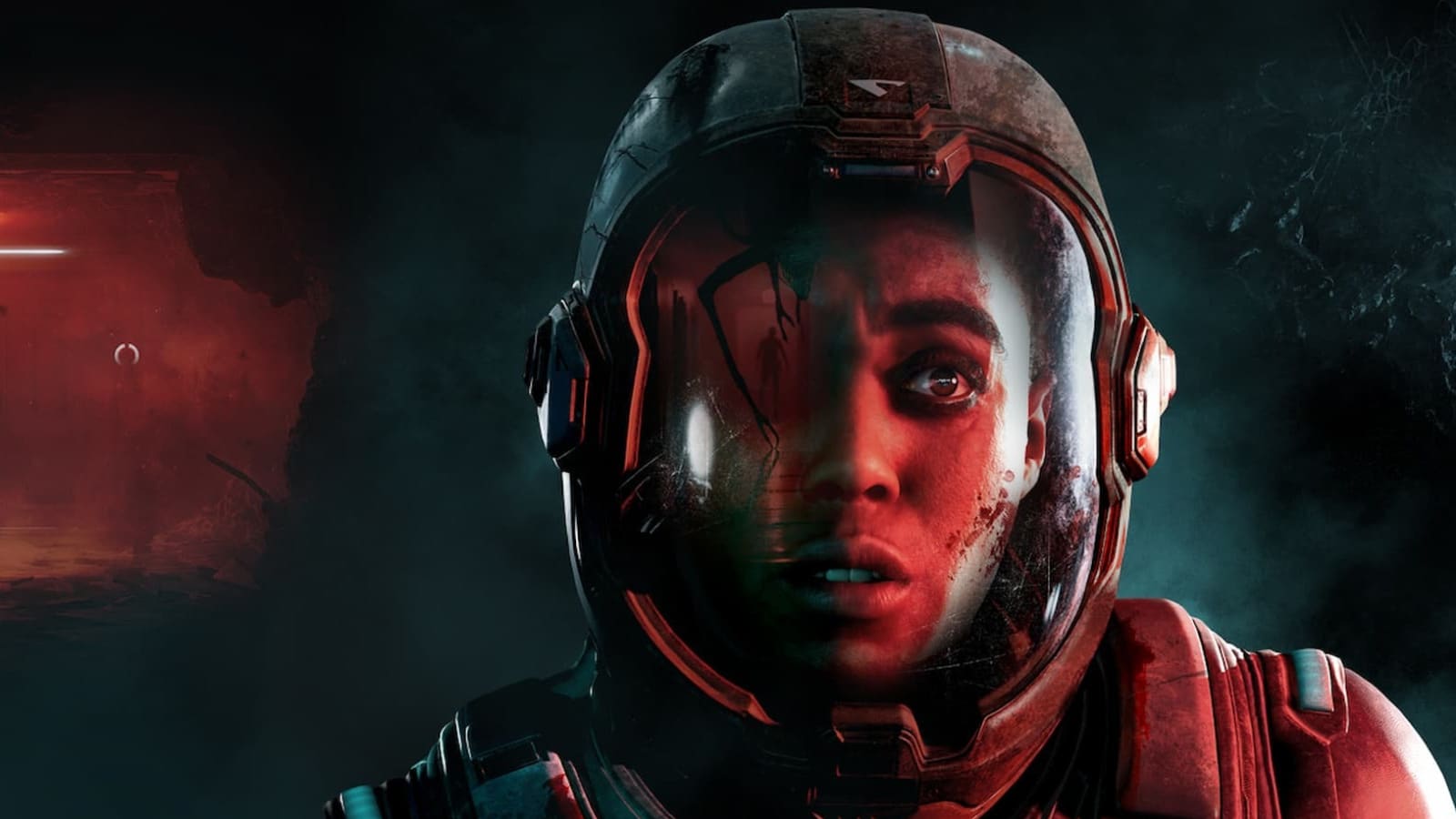
Directive 8020, released in June, represented a departure from the anthology format, but early reception has been muted. The game has yet to generate the commercial momentum that might have forestalled this round of layoffs.
What Comes Next for Mid-Tier Studios
Supermassive's trajectory mirrors that of other mid-sized developers navigating an increasingly bifurcated industry. On one end, indie studios operate with lean teams and modest budgets; on the other, first-party and major third-party studios command massive resources and multi-year roadmaps. Studios in the middle, like Supermassive, often struggle to secure the funding needed for ambitious projects without surrendering creative control or IP ownership.
The shift toward publisher-owned studios, as evidenced by Sony's handling of Until Dawn, suggests that major platform holders are prioritizing vertical integration over external partnerships. This consolidation may offer stability for acquired teams but narrows opportunities for independent mid-tier developers.
For Supermassive, the immediate challenge is stabilizing operations with a significantly reduced workforce while pitching new projects to publishers who may question the studio's long-term viability. The redundancy consultation process will unfold over the coming weeks, and the final headcount will determine whether the studio can sustain multiple concurrent projects or must scale back to a single-team operation.
The broader lesson for the industry is clear: narrative-driven studios without owned IP face structural disadvantages in a market increasingly dominated by platforms seeking to internalize key franchises. Supermassive's struggle is not an isolated crisis but a signal of the shifting economics that define game development in 2026.