SK Hynix Eyes Exit From China Packaging Plant as AI Memory Pivot Accelerates
The Korean chipmaker's move to divest its southwest China facility reflects a broader industry shift toward high-margin AI products, but valuation and cycle risks complicate the exit strategy.
A Strategic Retreat From Legacy Operations
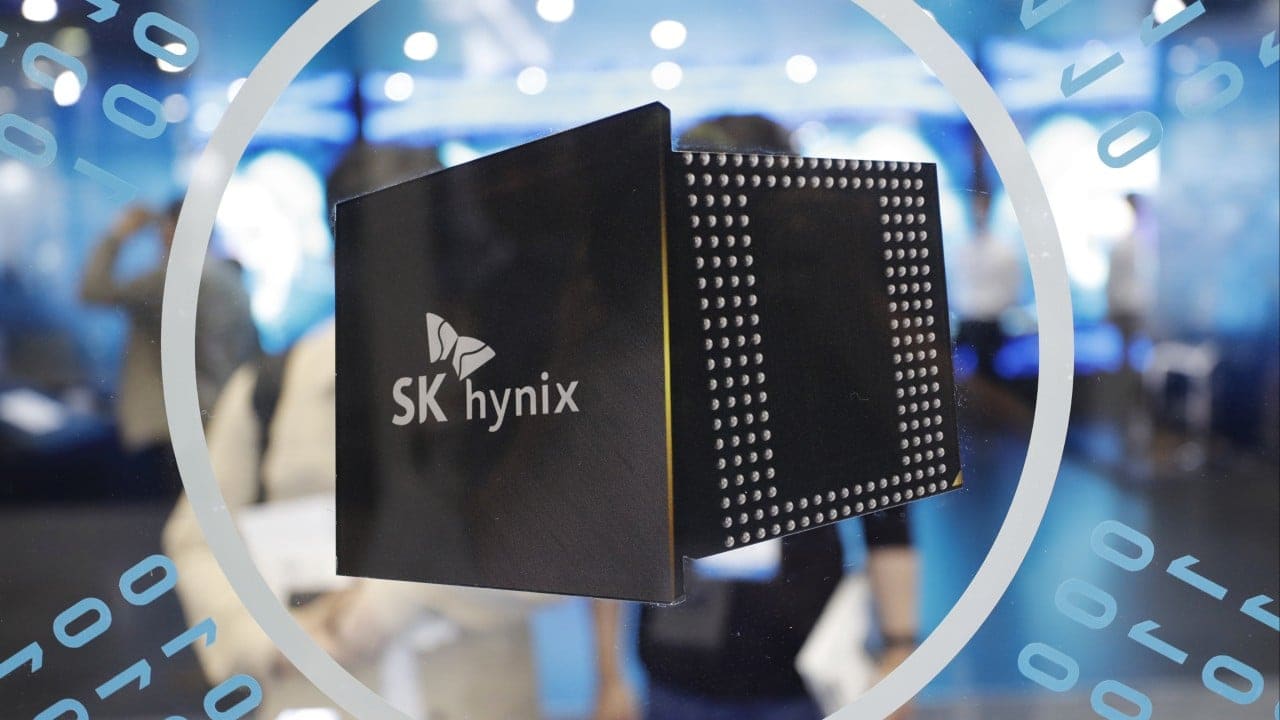
SK Hynix confirmed this week that it is evaluating options for its packaging plant in southwest China, a move that signals the Korean memory giant's intent to concentrate resources on artificial intelligence memory products. The company framed the review as part of an effort to sharpen its competitive edge in packaging operations, but industry observers see a more fundamental shift underway.
At DailyTechWire, we've tracked similar asset rationalization moves across the semiconductor supply chain over the past eighteen months. What sets this apart is the timing: SK Hynix is pursuing an exit at a moment when AI-focused memory demand is surging, yet the broader DRAM and NAND markets remain cyclical and unpredictable. The packaging plant in question handles mature-node assembly work, a lower-margin segment that stands in stark contrast to the high-bandwidth memory modules now commanding premium pricing in data center procurement.
The facility's location in China adds another layer of complexity. Export controls and geopolitical friction have reshaped how memory manufacturers allocate capital and technology across borders. For SK Hynix, maintaining a packaging footprint in China made sense during an era of cost optimization and regional supply chain integration. Today, the calculus has changed. The company's priority is scaling production of HBM3 and next-generation AI accelerator memory, work that requires tighter integration with advanced logic fabs and hyperscale customers, most of whom are concentrated in Taiwan, Korea, and North America.
Margin Pressure and the AI Memory Premium
The economics of memory packaging have diverged sharply over the past two years. Traditional DRAM and NAND packaging, which the China plant handles, operates on thin margins and competes primarily on cost and throughput. AI memory packaging, by contrast, involves stacking dies with precision thermal management and ultra-high-speed interconnects. These products command margins two to three times higher than commodity memory, and they require specialized equipment and process expertise that legacy plants often lack.
SK Hynix has publicly committed to ramping HBM production capacity, and the company's capital expenditure roadmap reflects that ambition. Selling the China plant would free up management bandwidth and capital for brownfield expansions in Korea and potential greenfield projects closer to AI infrastructure hubs. The trade-off is straightforward: exit a stable but low-margin operation to accelerate investment in a high-growth, high-margin segment.
Yet the sale itself is not without friction. Valuation remains a sticking point. Packaging plants are capital-intensive assets, but their resale value depends heavily on the buyer's ability to secure throughput contracts and maintain utilization rates. In a down cycle, buyers discount heavily for risk. In an up cycle, sellers expect premium multiples. Right now, the memory market sits in an uncertain middle ground, with AI demand strong but consumer and enterprise DRAM demand still recovering from a prolonged slump.
Who Might Step In
Potential buyers fall into two categories: Chinese domestic players seeking to expand packaging capacity, and financial or industrial buyers looking to secure supply chain optionality. Chinese memory and packaging firms have been active acquirers of second-tier fab assets over the past five years, often with government-backed financing. A packaging plant offers a lower technology threshold than a fab, making it an attractive target for firms aiming to build out backend capacity without triggering export control scrutiny.
However, any transaction will require regulatory clearance from both Korean and Chinese authorities, and the current policy environment is less permissive than it was even two years ago. Seoul has tightened oversight of technology transfers to China, particularly in semiconductor manufacturing. Beijing, meanwhile, has grown wary of asset sales that might signal a broader retreat by foreign chipmakers.
Financial buyers, including private equity firms with exposure to the semiconductor supply chain, represent another possibility. These buyers would likely operate the plant as a contract packaging provider, serving a mix of customers rather than anchoring it to SK Hynix's internal demand. That model has worked in other cases, but it requires a stable customer base and competitive pricing, both of which are harder to guarantee in a volatile market.
The Broader Industry Context
SK Hynix is not alone in rethinking its global footprint. Over the past year, memory and logic manufacturers have accelerated efforts to consolidate operations, divest non-core assets, and concentrate advanced production in geographies with strong government support and proximity to end customers. The CHIPS Act in the United States, Korea's K-Semiconductor Strategy, and Taiwan's subsidy programs have all reinforced this trend.
At the same time, China has doubled down on domestic semiconductor self-sufficiency, channeling state capital into memory and logic startups. The result is a supply chain that is simultaneously fragmenting along geopolitical lines and consolidating within those lines. For multinational chipmakers, that creates a strategic dilemma: maintain presence in China to serve the local market and preserve supply chain optionality, or retreat to minimize risk and focus capital on next-generation nodes.
SK Hynix's decision to explore a sale suggests the company has made its choice, at least for this asset. The packaging plant does not fit into the firm's AI-centric roadmap, and the operational and regulatory overhead of maintaining it in China may outweigh the benefits. Whether the sale closes, and at what price, will depend on market conditions over the next six to twelve months and the willingness of potential buyers to commit capital in an uncertain environment.
What Comes Next
If the sale proceeds, SK Hynix will likely redeploy proceeds into HBM production lines and advanced packaging R&D. The company has already announced plans to expand its Icheon and Cheongju sites in Korea, and additional capacity announcements are expected before the end of the year. The bigger question is whether other memory makers follow suit. Micron and Samsung both operate packaging facilities in China, and both face similar strategic pressures.
For now, the industry is watching SK Hynix's next move. The outcome of this potential transaction will offer clues about how memory manufacturers are balancing short-term margin pressure, long-term AI demand, and the geopolitical realities of operating in China. The packaging plant sale is less about a single facility and more about where the memory industry sees its future, and how far it is willing to go to get there.