SpaceX Chooses Fossil Fuel Over Solar for Texas Chip Factory
The newly public space company will build natural gas plants to power its $16.8 billion Terafab semiconductor facility, sidelining partner Tesla's solar expertise.
A Bet on Gas, Not Sun
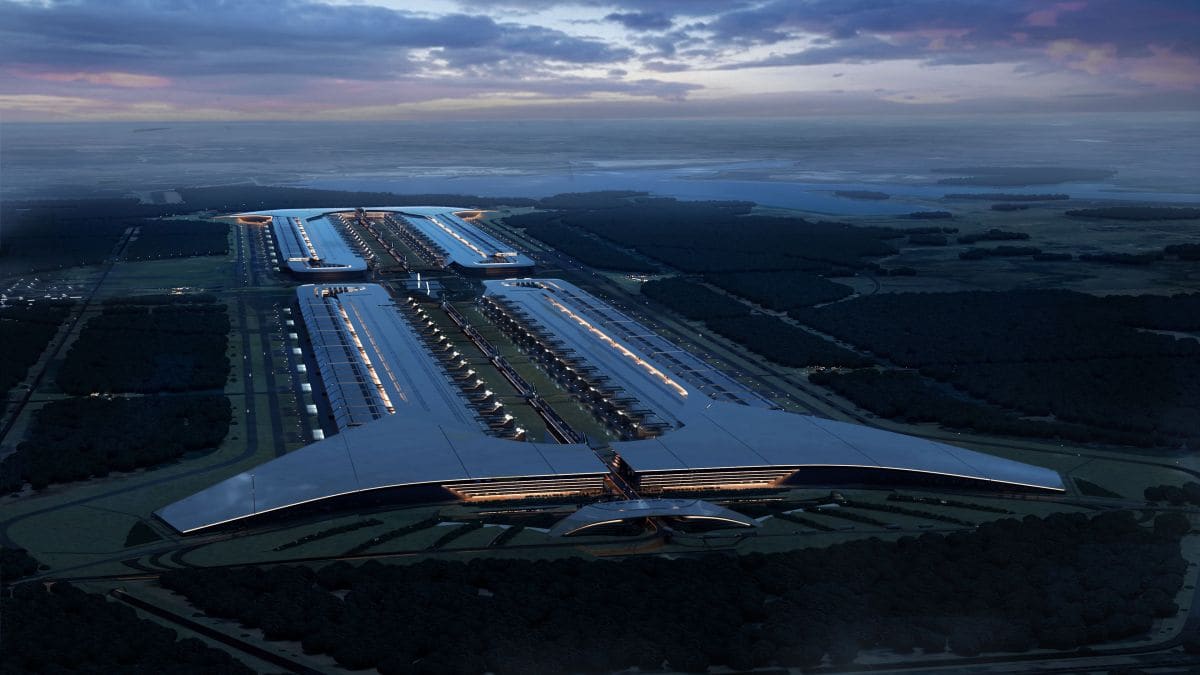
SpaceX will construct its own natural gas power plants to supply electricity for Terafab, the semiconductor manufacturing facility taking shape in Grimes County, Texas. Riley Trettel, who oversees energy and data center development at the company, confirmed the energy strategy during a public meeting this week, noting that the infrastructure will include substantial battery arrays alongside the gas turbines.
The decision raises questions about corporate energy strategy at a company whose partner in this venture, Tesla, has built a significant solar business. No mention of terrestrial solar installations has surfaced in public discussions of the project, despite the logical synergy such an approach might offer. Instead, SpaceX appears committed to a fossil fuel path that mirrors recent patterns across its corporate family.
The Broader Energy Pattern
This choice fits within a wider energy procurement strategy that has emerged across companies in the SpaceX orbit. The xAI data centers operating in Memphis run almost entirely on natural gas. Earlier this year, SpaceX acquired a company specializing in gas turbine power generation. The space company has committed to purchasing $2.8 billion in gas turbines over the next three years, according to company statements.
The Terafab project represents a substantial investment in semiconductor manufacturing capacity. Initial construction is expected to cost $16.8 billion, a figure that has been revised downward from an earlier estimate of $55 billion. The facility will produce chips designed for data center operations run by SpaceX and its xAI subsidiary, positioning the company to control more of its AI infrastructure stack.
Tax Incentives and Job Commitments
Grimes County, located roughly 45 miles northwest of central Houston, granted SpaceX a complete tax abatement in exchange for spending commitments and job creation targets. The company must invest at least $5 billion by 2030 and establish a minimum of 1,800 full-time positions by 2035 to maintain the tax benefits. Texas state authorities are contributing an additional $30 million in incentives to secure the project.
SpaceX recently completed an initial public offering that raised $87.5 billion, providing substantial capital for ambitious projects like Terafab. The semiconductor facility represents a vertical integration strategy, allowing the company to manufacture specialized chips for its own computing needs rather than relying on external foundries.
The Data Center Power Rush
The artificial intelligence boom has triggered a wave of private power generation proposals across the technology sector. Companies building massive data centers increasingly prefer to develop dedicated energy infrastructure rather than drawing from regional grids, a strategy that has become particularly common in Texas. More than 70 gigawatts of private data center power capacity has been mapped out across the state.
This approach offers developers faster project timelines and sidesteps concerns about straining public electricity supplies or driving up consumer rates. However, the reliance on natural gas turbines carries environmental costs. Gas-fired generation releases significant volumes of air pollutants and carbon emissions, contributing to both local air quality problems and climate change.
The rush to build gas-powered data centers has created market distortions. Construction costs for natural gas power plants have climbed 66% as demand has surged. Google, Meta, and Microsoft have all announced large-scale projects in recent months that include dedicated power generation, intensifying competition for turbines, engineering resources, and construction capacity.
Legal and Environmental Scrutiny
SpaceX's xAI subsidiary has faced legal challenges over its use of natural gas turbines at a Memphis facility. A lawsuit alleges the company operated unpermitted turbines in one of the nation's most polluted regions, raising questions about compliance with air quality regulations. The case highlights the tension between rapid technology deployment and environmental permitting processes.
The Terafab energy strategy reflects a pragmatic calculation about reliability and speed. Natural gas plants can be built relatively quickly compared to nuclear facilities, and they offer dispatchable power that solar and wind cannot provide without massive storage systems. The inclusion of large battery arrays in the SpaceX plan suggests some effort to manage load variability, though the primary generation source remains fossil fuel.
What It Signals for Tech Infrastructure
The decision to bypass solar at Terafab, despite Tesla's involvement, suggests that corporate relationships and brand positioning take a back seat to operational priorities when companies build critical infrastructure. Solar power, even with storage, may not yet meet the reliability and density requirements that semiconductor fabs and AI data centers demand at the scale these companies envision.
At DailyTechWire, we've tracked the growing appetite for private power generation across Asia's technology hubs, from Singapore's data center corridors to semiconductor clusters in Taiwan and South Korea. The Texas pattern now emerging in the United States mirrors concerns we've observed in power-constrained markets across the region: as AI workloads scale, companies increasingly view energy as too critical to outsource.
The Terafab project will serve as a test case for this bring-your-own-power model at semiconductor manufacturing scale. If the economics prove favorable, expect more chip makers and hyperscale operators to pursue similar strategies, potentially reshaping both the energy and semiconductor landscapes in ways that prioritize speed and control over sustainability commitments.