SK Hynix Sheds 15% in Seoul After Record Nasdaq Listing
The memory chipmaker's sharp retreat signals investor anxiety over whether AI-driven demand has reached its ceiling
A Sharp Reversal
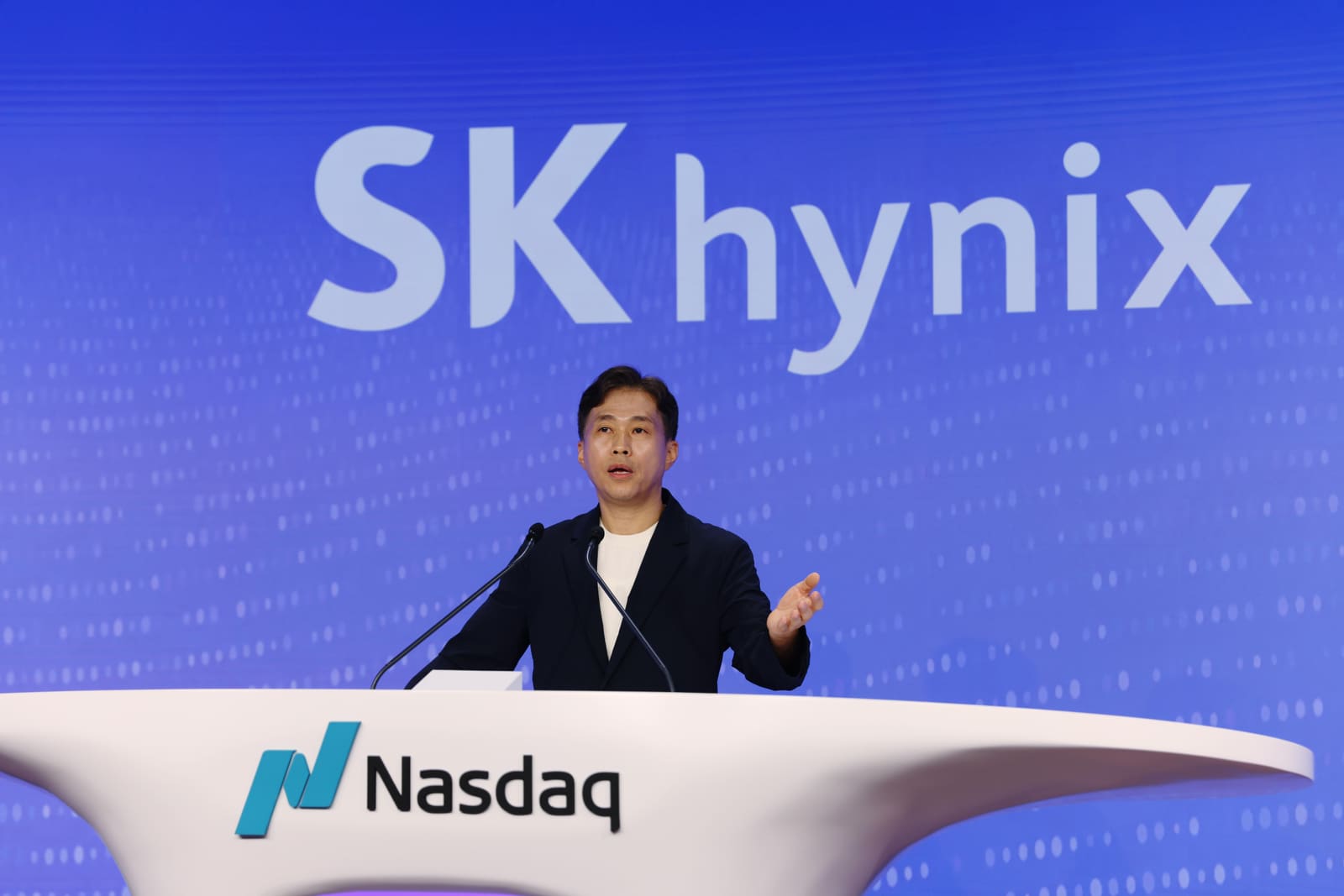
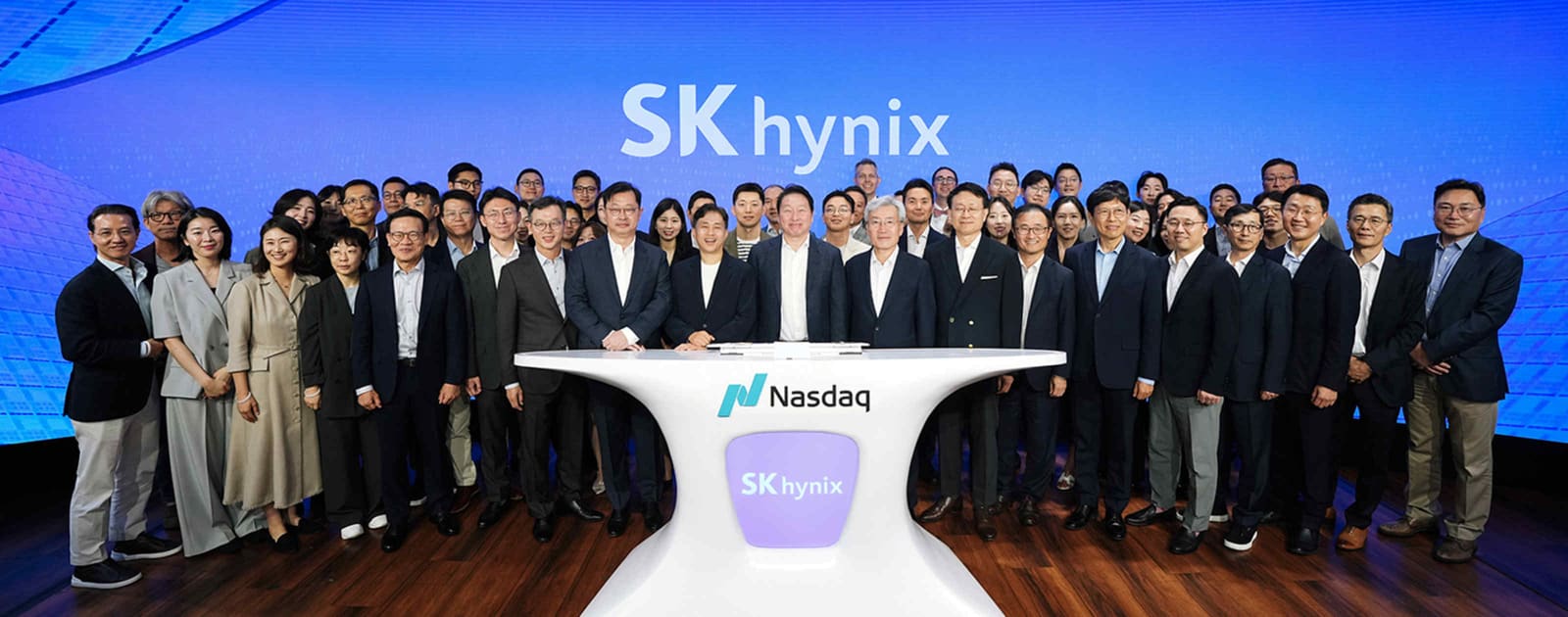
SK Hynix closed down more than 15% in Seoul on Monday, a striking reversal that came only days after the South Korean memory chipmaker celebrated a roughly 13% gain during its first trading session in New York. The drop, which dragged the broader KOSPI lower, has sparked fresh debate over whether the semiconductor industry's momentum - fueled largely by artificial intelligence infrastructure spending - is beginning to stall.
At DailyTechWire, we've tracked the volatility that often follows dual-listing events, but the speed and magnitude of this pullback caught many regional analysts off guard. The company raised $26.5 billion in what became the largest foreign share sale ever conducted in the United States, a milestone that initially buoyed sentiment across Asian chip stocks. Yet the euphoria proved short-lived.
Peak Demand or Temporary Jitters?
The selloff reflects mounting concerns that memory chip pricing and order volumes may have reached a near-term peak. Over the past eighteen months, high-bandwidth memory (HBM) and DRAM modules tailored for AI accelerators have commanded premium pricing, lifting margins across the sector. SK Hynix, which supplies HBM3 to major cloud hyperscalers and GPU manufacturers, benefited disproportionately from that cycle.
However, inventory adjustments among data-center customers and a slower-than-expected ramp in enterprise AI adoption have begun to temper expectations. Several Taipei- and Singapore-based supply-chain trackers noted softening lead times for certain memory products in recent weeks, a shift that typically precedes price corrections. While SK Hynix has not disclosed guidance changes, the market appears to be pricing in a normalization of growth rates after an extraordinary run.
The timing of the Nasdaq listing may have amplified the volatility. By tapping U.S. capital markets at a moment when valuations across the AI supply chain were stretched, the company secured substantial liquidity - but also exposed itself to a broader reassessment of semiconductor fundamentals. Institutional investors who participated in the offering are now weighing whether the post-listing pop offered an opportune exit rather than an entry point.
Regional Contagion
The decline in SK Hynix shares rippled through the KOSPI, with other technology and export-oriented names posting losses. South Korea's equity benchmark has become increasingly sensitive to swings in chip stocks, which account for a significant portion of market capitalization and export revenue. The outsized influence of a handful of semiconductor names means that sentiment shifts can cascade quickly, particularly when foreign portfolio flows reverse.
Beyond Seoul, the pullback has prompted caution among investors holding positions in memory-focused peers across the region. While SK Hynix remains the most directly exposed to HBM and AI-related demand, the broader memory sector faces similar questions about pricing power and capacity utilization heading into the second half of the year.
What the Numbers Say
SK Hynix announced the $26.5 billion raise in late June, with shares priced at the upper end of the indicative range. The offering attracted strong demand from U.S. institutional accounts eager for exposure to the AI hardware value chain. The company's first day of trading in New York saw shares climb approximately 13%, validating the pricing and underscoring appetite for Asia-based semiconductor plays.
Yet the subsequent 15% drop in Seoul suggests that regional investors are less sanguine about near-term prospects. The divergence between the two markets may reflect differing time horizons: U.S. buyers focused on long-term positioning in AI infrastructure, while Seoul-based traders reacted to more immediate data points around order momentum and margin sustainability.
Structural Questions for South Korea's Chip Hub
The volatility arrives as South Korea's government and industry leaders push forward with ambitious plans to expand domestic semiconductor capacity. Large-scale investments in new fabs and research facilities have been announced over the past year, predicated on sustained demand growth and geopolitical incentives to diversify supply chains away from Taiwan and China.
However, the timing and sequencing of these projects now face tougher scrutiny. If memory pricing softens or if capital-equipment lead times extend, the economics of incremental capacity additions become less compelling. Some industry observers have questioned whether the current wave of investment - much of it leveraged - might overshoot demand, especially if enterprise AI spending fails to accelerate as rapidly as projected.
SK Hynix itself has committed to significant capital expenditure over the next three years, with a focus on advanced packaging and next-generation HBM. The company's ability to sustain returns on that investment will depend not only on technology leadership but also on the trajectory of end-market demand and competitive dynamics with other memory suppliers.
Leverage and Valuation Risk
The sharp post-listing decline also highlights a broader pattern we've observed across Asia's AI-adjacent equities: elevated leverage and stretched valuations leave little room for disappointment. Many semiconductor stocks in the region have traded at multiples well above historical averages, supported by narratives around AI-driven supercycles and supply-chain reshoring.
When those narratives encounter headwinds - whether from inventory corrections, export-control policy shifts, or slower enterprise adoption - the resulting de-rating can be swift. SK Hynix, despite its technological strengths and market position, is not immune to this dynamic. The company's debt profile, while manageable, has grown in tandem with its capacity expansion, and equity investors are increasingly attentive to balance-sheet flexibility in an environment where interest rates remain elevated across most major economies.
Looking Ahead
The coming quarters will test whether the memory sector's recent rally was a genuine inflection or a speculative overshoot. SK Hynix occupies a privileged position within the HBM ecosystem, and its long-term contracts with leading AI hardware vendors provide a degree of revenue visibility. Yet the company must navigate a tightening pricing environment, rising capital intensity, and the ever-present risk of geopolitical disruption to trade flows and technology access.
For now, the 15% drop serves as a reminder that even marquee listings and record fundraises cannot insulate companies from the cyclical realities of the semiconductor business. Investors who celebrated the Nasdaq debut are now recalibrating expectations, and the broader market is taking note. Whether this proves to be a healthy correction or the start of a deeper retracement will depend on data points that have yet to materialize - order books, utilization rates, and the pace at which AI infrastructure spending translates into sustained memory demand.