Science Corp. Begins Selling Vision Chip in Europe After Regulatory Win
The PRIMA implant marks the first commercial step for a BCI startup betting that sustainable revenue will fund its longer-term ambitions in brain-computer interfaces.
A Commercial Path for Brain Interfaces
Science Corporation has cleared a regulatory hurdle that few neurotech startups reach: approval to sell a product. The company announced it can now market PRIMA, a vision-restoring implant, across the European Union after receiving clearance from the region's medical device regulator. At DailyTechWire, we've tracked the gap between BCI research promises and commercial viability for years. This approval matters less for what the device does today than for what it signals about building sustainable neurotech businesses.
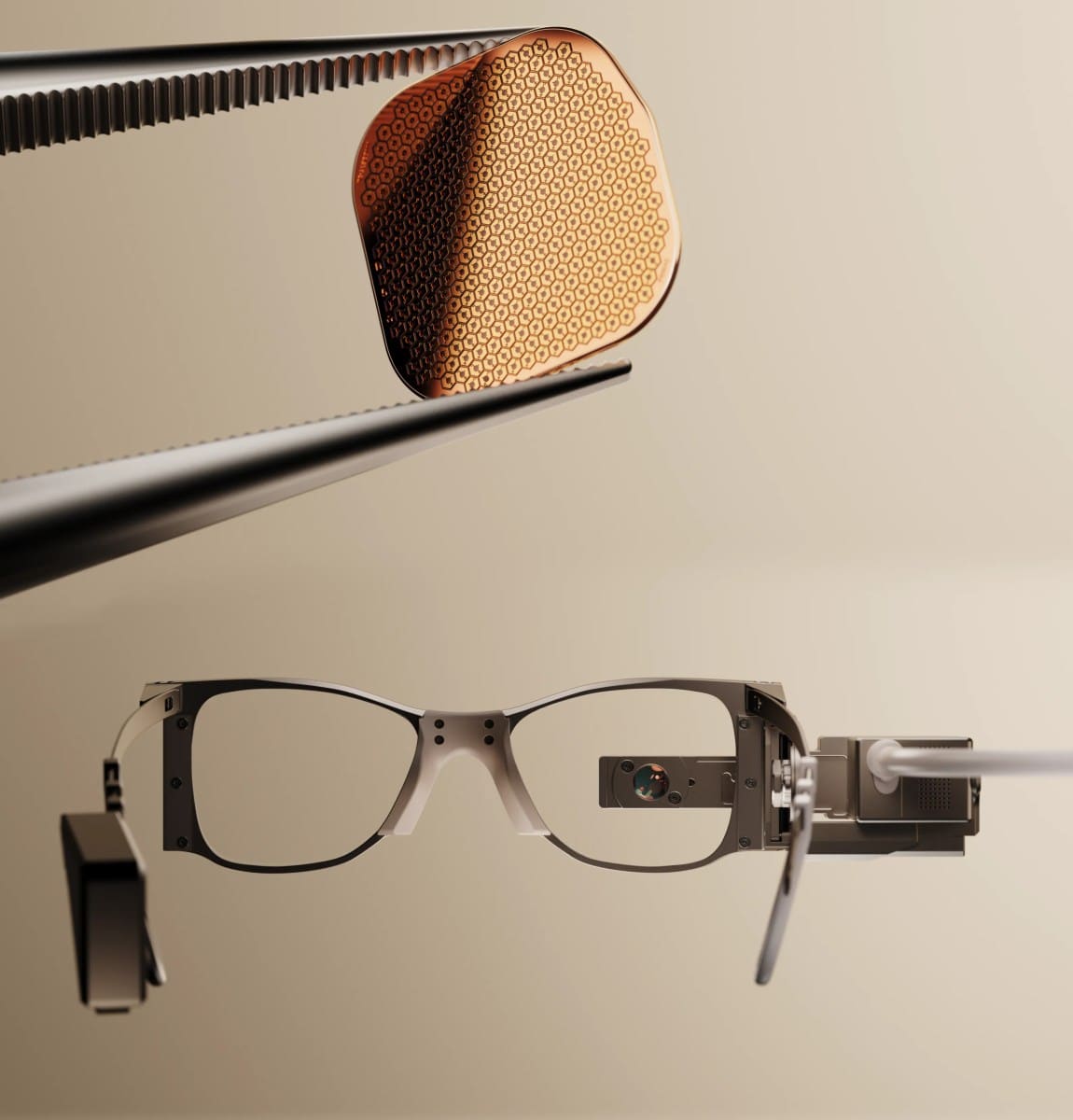
The implant targets age-related macular degeneration, a condition affecting millions worldwide. Patients undergo an outpatient procedure lasting roughly one hour to place a small chip behind the retina. They then wear glasses equipped with cameras that transmit visual information to the implanted hardware. The system bypasses damaged light-sensing cells, sending signals directly to remaining retinal neurons.
Science Corp. also secured a breakthrough device designation from the FDA, which fast-tracks regulatory review for products addressing serious conditions. The US pathway focuses on two rare forms of blindness, though the underlying technology remains the same.
The Founder's Calculation
Max Hodak founded Science Corp. in 2021 after leaving Neuralink, where he served as co-founder and president. His original vision centered on developing hybrid interfaces combining silicon chips with living cells, a technically ambitious approach that remains years from human trials. But Hodak made a pragmatic choice: prove the company could generate revenue first.
According to Hodak, the brain-computer interface sector needs a company generating nine-figure annual revenue to avoid what he calls "a winter" where investment and talent dry up. Vision restoration became that anchor business. After evaluating multiple technical approaches, Science Corp. acquired Pixium, a French firm that developed the PRIMA technology, in 2024. The acquisition brought a device already tested in clinical trials, along with regulatory documentation and manufacturing processes.
The acquisition strategy reflects a broader shift in neurotech. Rather than racing to demonstrate novel science, Science Corp. prioritized a device close enough to commercialization that it could generate cash flow within a few years. That revenue, Hodak has said, will fund the bio-hybrid work that originally motivated him to start the company.
Clinical Results and Patient Outcomes
The company points to functional improvements in trial participants. One patient in France completed a 300-page novel after receiving the implant. Another sketched the Sydney Opera House. Video footage shows patients completing crossword puzzles and Sudoku grids, tasks requiring fine visual discrimination.
These anecdotes matter in a field where incremental progress is often oversold. Reading a book or drawing a landmark represents genuine quality-of-life gains for patients who had lost central vision. The device doesn't restore normal sight, but it provides enough visual information to perform tasks that were previously impossible.
Science Corp. conducted its clinical trials in Germany and plans to begin commercial procedures there as early as September. Each PRIMA system is expected to cost hundreds of thousands of dollars. The company is negotiating reimbursement terms with European healthcare systems, a process that will determine how quickly adoption scales. High device costs are standard in early-stage medical implants, but reimbursement negotiations can stretch for years, particularly in markets with centralized healthcare budgets.
Technical Roadmap and Form Factor Challenges
Science Corp. is working on a second-generation chip designed to improve visual resolution and field of view. The current glasses require an external battery pack, limiting wearability. The company's goal is to develop something closer to Meta's augmented reality glasses in size and weight, but the power and computational demands of PRIMA remain significantly higher.
This is a common bottleneck in wearable medical devices: bridging the gap between functional prototypes and consumer-friendly form factors. The PRIMA glasses need to process camera input in real time, encode it for neural stimulation, and transmit wirelessly to the implant. Shrinking that pipeline into lightweight eyewear without sacrificing performance or battery life is an engineering problem that will take multiple product cycles to solve.
Separately, Science Corp. is collaborating with Dr. Murat Günel, chair of neurosurgery at Yale Medical School, to prepare human trials of a directly implanted bio-hybrid sensor. These sensors combine living neurons with silicon electronics, aiming to improve signal fidelity and reduce immune response. Hodak has been clear that this work depends on PRIMA's commercial success. Investors, he noted, can build financial models around vision devices. Bio-hybrid implants remain too speculative to justify standalone funding.
Why Sustainable Revenue Matters in Neurotech
The neurotech sector has cycled through waves of hype and disappointment for decades. Companies announce breakthrough lab results, raise venture capital, and then struggle to navigate regulatory pathways or find viable markets. Few make it to commercial launch. Even fewer generate enough revenue to fund the next generation of R&D without continuous outside capital.
Science Corp.'s strategy inverts the usual sequence. Instead of chasing the most scientifically ambitious project first, it acquired a near-commercial product to establish revenue, then used that foundation to fund longer-term research. This approach is pragmatic but comes with trade-offs. The company is now operationally focused on scaling a complex medical device business, manufacturing, training surgeons, managing reimbursement, and handling post-market surveillance. Those demands can easily consume the resources and attention needed for frontier research.
The regulatory win in Europe gives Science Corp. a head start in a market with centralized approval processes. The FDA's breakthrough designation suggests a parallel US pathway, though American approval timelines remain unpredictable. If the company can establish PRIMA as a standard treatment for macular degeneration and related conditions, it will have built the sustainable revenue base Hodak believes the industry needs.
Whether that revenue engine can coexist with the exploratory science that originally motivated the company remains an open question. At DailyTechWire, we'll be watching how Science Corp. balances near-term commercial execution with the long-term vision that distinguishes it from incremental device manufacturers.