Samsung's Foldable Lineup Widens as Z Fold 8 Renders Surface Two Weeks Ahead of Unpacked
Leaked imagery reveals a short, wide foldable alongside iterative updates to the Z Flip 8 and new wearables, while a global RAM shortage may temper hardware ambitions.
A Wider Fold Takes Shape
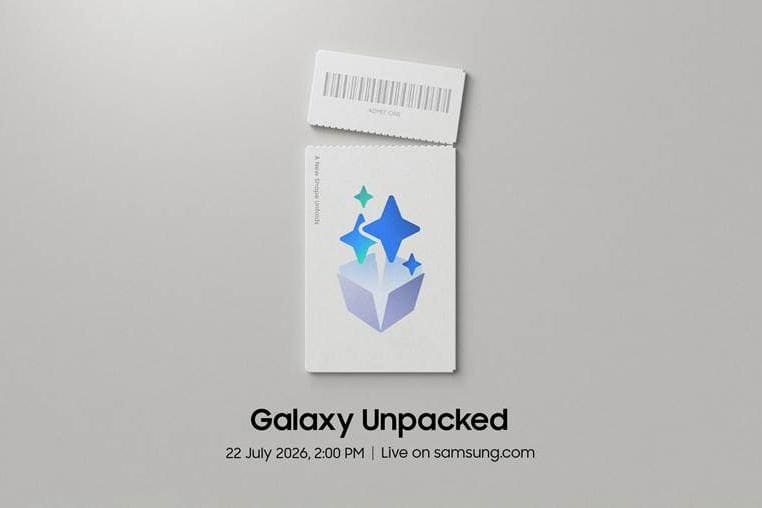
Samsung's July 22 Unpacked event is still two weeks away, but the devices set to debut are already coming into focus. Renders that surfaced this week show the Galaxy Z Fold 8 breaking from the narrow, passport-style form factor the company has used since the original Fold. The new device is noticeably shorter and wider, with a 5.5-inch external display that adopts a 16:10 aspect ratio - the same proportion Samsung uses across its tablet lineup. When unfolded, the inner screen measures 7.6 inches with a more conventional 4:3 ratio.
The shift in dimensions addresses one of the longest-standing complaints about Samsung's foldables: that the narrow cover screen makes typing and single-handed use awkward. By widening the chassis, Samsung is essentially betting that users want a device that feels more like a standard smartphone when closed, even if it means sacrificing some of the tall, narrow elegance that defined earlier Folds.
Weight is another area where Samsung appears to be making progress. The Z Fold 8 is rumored to come in around 200 grams, which would make it one of the lightest book-style foldables on the market. For context, the Z Fold 6 weighed 239 grams, and competing devices from Chinese manufacturers often tip the scales past 250 grams. Achieving that weight reduction while maintaining structural integrity - especially around the hinge - will be a meaningful engineering accomplishment if the figures hold true.
The device is expected to ship with Qualcomm's Snapdragon 8 Elite Gen 5 processor, and renders indicate it will be available in four color options. Samsung is also developing a Z Fold 8 Ultra variant, though renders for that model leaked separately last week and suggest a more premium positioning.
Z Flip 8 Stays the Course
The Galaxy Z Flip 8, by contrast, appears to be a modest refresh. Renders show the clamshell foldable in white, gray, and pink, with camera and flash placement unchanged from the Z Flip 7. That continuity isn't necessarily a problem - the Z Flip 7's design was well-received - but it does raise questions about what Samsung is upgrading under the hood.
The camera system is the most obvious candidate for improvement. The Z Flip 7's imaging hardware lagged behind Samsung's flagship slabs, and that gap became more pronounced as competitors like Motorola and Oppo pushed better sensors into their flip phones. Whether Samsung has prioritized that upgrade this year remains to be seen.
Processor options are expected to vary by region. Some markets will receive a model powered by the Exynos 2600, while others will get the Snapdragon 8 Elite Gen 5. That dual-SKU strategy is familiar territory for Samsung, though it has historically generated friction among buyers who feel shortchanged by the Exynos variant.
There's also talk of a redesigned hinge and a lighter chassis, though specifics are thin. The mention of a "lighter" build is interesting given that the Z Flip 7 already came in at a relatively svelte 187 grams. Shaving additional weight without compromising durability would be a subtle but welcome refinement.
Component Shortages Loom Over Hardware Ambitions
One factor tempering expectations for this generation is the ongoing global RAM shortage. The constraint has reportedly pushed Samsung to limit the scope of hardware refreshes across its 2026 lineup, and the Z Flip 8 and Z Fold 8 are unlikely to be exceptions. That means buyers hoping for dramatic jumps in memory capacity or multi-tasking performance may need to wait another cycle.
The RAM crunch is part of a broader supply chain tightening that has affected manufacturers across Asia. DRAM prices have climbed steadily since late 2025, and lead times for high-density modules have stretched past industry norms. For Samsung, which relies on its own semiconductor division for memory components, the shortage is both a constraint and a strategic opportunity - higher DRAM prices benefit the company's chip business even as they complicate device planning.
In practical terms, this likely means the Z Flip 8 and Z Fold 8 will ship with similar memory configurations to their predecessors, with any performance gains coming from processor efficiency rather than raw capacity increases.
Wearables Round Out the Lineup
Samsung is also preparing updates to its smartwatch range. Renders of the Galaxy Watch 9 show a design nearly identical to the Galaxy Watch 8, which was one of the better Android wearables of 2025. The Watch 9 will be available in three colors and two sizes, maintaining the aesthetic continuity that has defined Samsung's circular watch line for the past several generations.
Pricing is expected to rise, with reports suggesting an increase of $30 to $60 depending on the model. That bump would put the base Watch 9 closer to $340, edging into premium territory and tightening the gap between it and the Ultra variant.
The Galaxy Watch Ultra 2 will come in a single 47mm case size and two color options. The Ultra line, introduced last year to compete with Apple's rugged wearable offering, targets outdoor enthusiasts and users who prioritize battery life and durability over sleekness. Early renders suggest Samsung is refining the design language rather than overhauling it, which makes sense given the first Ultra's positive reception.
Like the Watch 9, the Ultra 2 is rumored to see a price increase, though exact figures haven't surfaced. If Samsung pushes the Ultra 2 past the $700 mark, it will be testing the upper boundary of what Android users are willing to pay for a smartwatch, especially in markets where the Apple Watch Ultra remains the aspirational benchmark.
What Unpacked Will Clarify
Renders and rumors offer a useful preview, but they leave key questions unanswered. Battery capacity, camera specs, software enhancements, and regional availability will all be clarified on July 22. The wider Z Fold 8 is the most intriguing development in this batch - it represents a genuine shift in Samsung's foldable philosophy rather than an iterative refinement. Whether that shift resonates with buyers will depend on execution: hinge feel, screen crease visibility, and app optimization all matter as much as aspect ratios and weight figures.
For Samsung, the stakes are higher than usual. Chinese manufacturers have closed the gap in foldable technology over the past 18 months, and devices from Xiaomi, Oppo, and Honor now offer competitive specs at lower price points. Samsung still commands the largest share of the global foldable market, but that lead is narrowing. The Z Fold 8's wider form factor and lighter build could help differentiate it, but only if the rest of the package holds up under scrutiny.
Two weeks is not a long wait. The leaked renders have set expectations; Unpacked will determine whether Samsung can meet them.