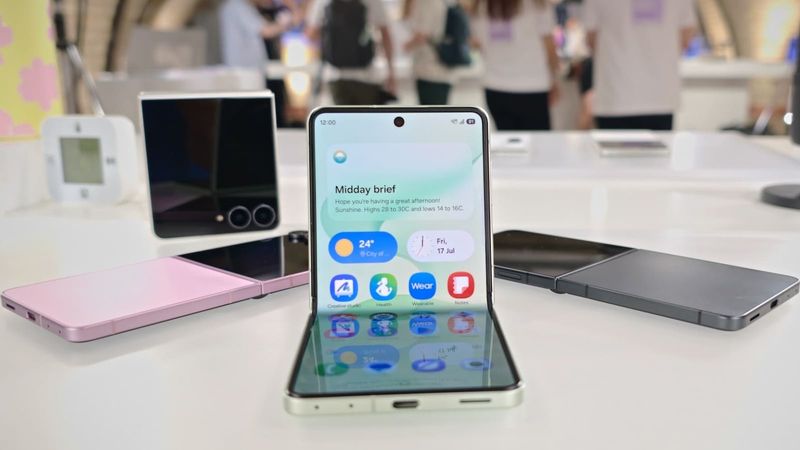
Samsung's Two Ultra Flagships Reveal a Strategy Dilemma
The Galaxy Z Fold 8 Ultra and S26 Ultra share nearly identical internals but diverge sharply on form factor, price, and trade-offs - exposing the tensions in Samsung's premium lineup.
The Ultra Label Now Covers Two Very Different Phones
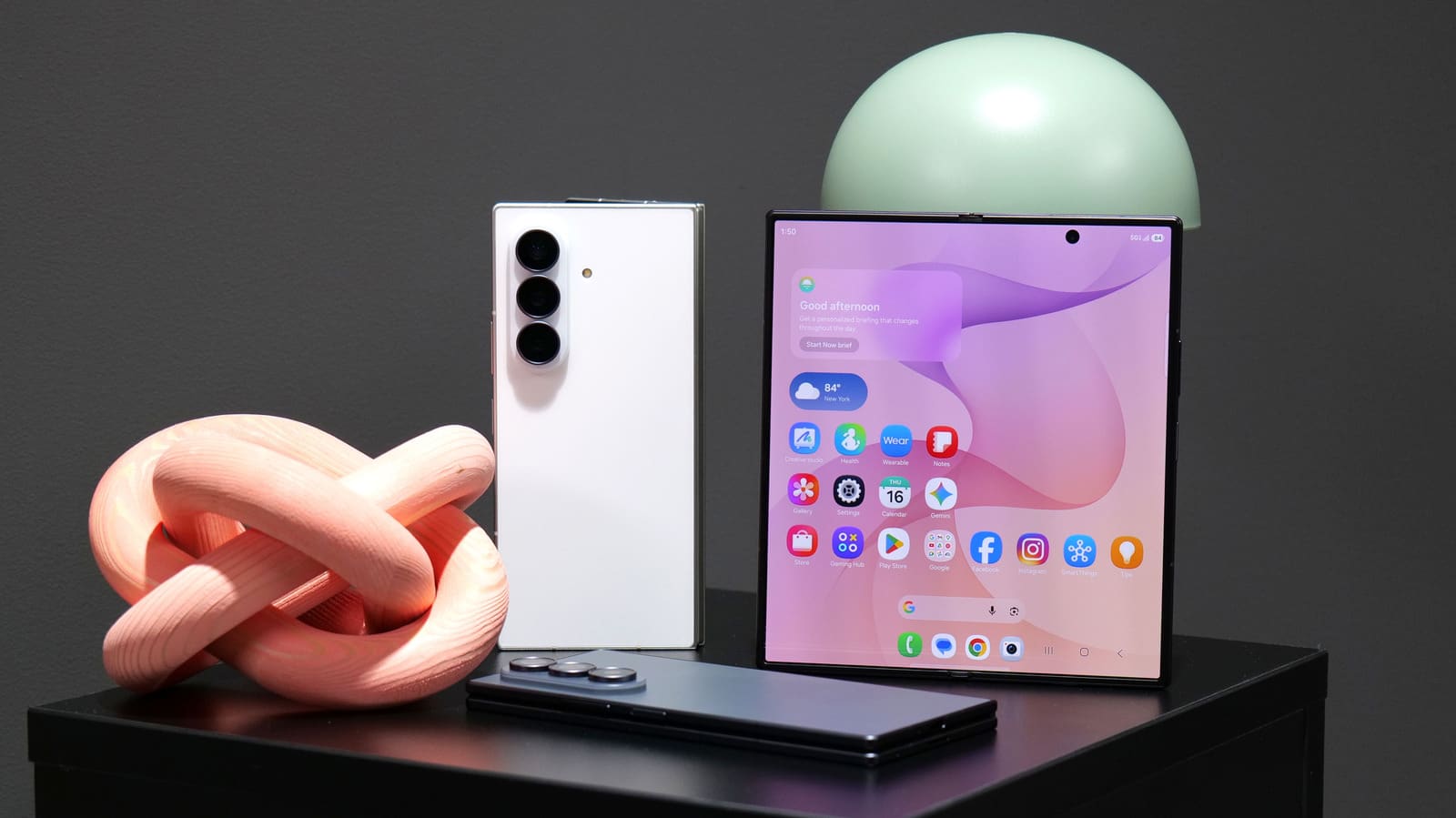
Samsung has introduced a naming wrinkle this year that says more about its product strategy than the company might have intended. The Galaxy Z Fold 8 Ultra arrives as the first foldable to carry the Ultra designation, sitting in the lineup alongside the more conventional Galaxy S26 Ultra. Both devices share the Ultra badge, yet they represent fundamentally different philosophies about what a flagship smartphone should prioritize.
Under the hood, the two phones are virtually twins. Both run the latest Snapdragon chipset, ship with 12GB of RAM in their base configurations and 16GB in the top-tier 1TB variant, and pack identical 5,000mAh batteries. Samsung is essentially asking buyers to choose between two expressions of the same core hardware, and that choice reveals the trade-offs inherent in foldable design.
The S26 Ultra starts at $1,299. The Fold 8 Ultra demands $2,099. That $800 gap buys you a folding display and the multitasking benefits it enables, but it also means accepting a weaker camera system, reduced durability, and the loss of features like stylus storage and privacy-focused display tech. At DailyTechWire, we've tracked Samsung's foldable ambitions since the first Galaxy Fold shipped in 2019, and this generation crystallizes a tension the company has yet to resolve: foldables remain specialty devices, not replacements for traditional flagships.
Where the S26 Ultra Holds Ground
The S26 Ultra is the safer bet for most users. Its 6.9-inch, 2K AMOLED panel runs at up to 120Hz and sits behind a glass surface that can withstand more abuse than the polymer layer covering a foldable screen. Samsung rates the device IP68 for dust and water resistance, meaning it can handle submersion and dusty environments without issue.
Camera hardware is where the S26 Ultra pulls ahead most decisively. The rear array includes a 200-megapixel primary sensor, a 50MP ultrawide, a 10MP telephoto, and a 50MP periscope telephoto designed specifically for long-range zoom. That periscope lens delivers 5X optical zoom, and Samsung's software pushes digital magnification well beyond that. If mobile photography matters to your workflow, whether for social content or professional documentation, the S26 Ultra is the more capable tool.
Samsung also bundles an S Pen stylus with the S26 Ultra, and the phone includes a slot to store it inside the chassis. The company stripped Bluetooth functionality from the stylus in recent generations, limiting its use to direct input rather than remote control tricks, but it remains a competent tool for handwritten notes, document annotation, and illustration work. The Fold 8 Ultra offers no stylus support at all, a feature Samsung quietly dropped from its foldable line last year.
One new feature exclusive to the S26 Ultra this cycle is the Privacy Display. Samsung uses narrow-pixel technology to limit the viewing angles of the screen, making it harder for anyone looking at your device from the side to see what you're doing. The feature is absent from both the cover and inner screens of the Fold 8 Ultra, likely because integrating it into a flexible display adds engineering complexity Samsung hasn't yet solved.
What the Fold 8 Ultra Offers in Return
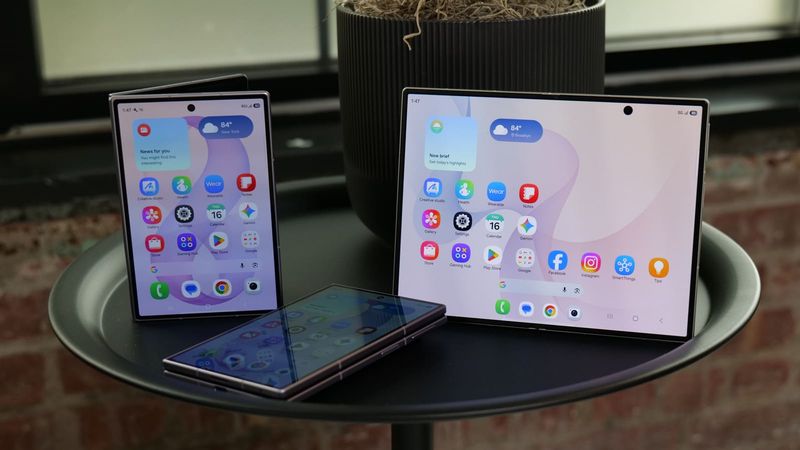
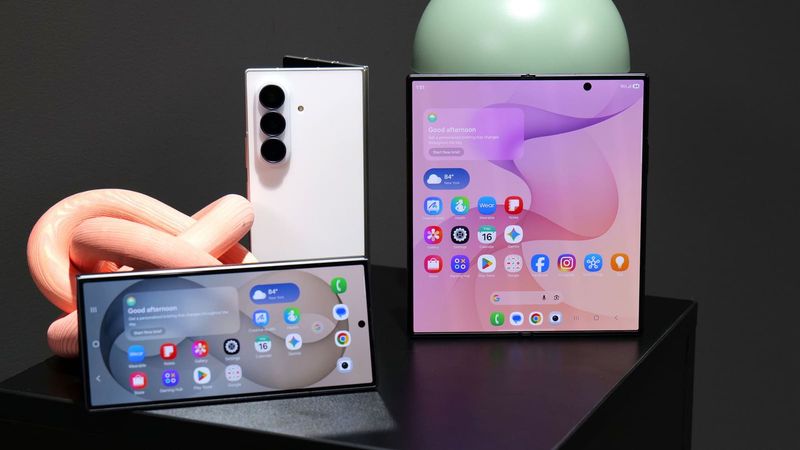
The Fold 8 Ultra's defining characteristic is its 8-inch inner display. When closed, the device presents a 6.5-inch, 1080p screen that functions like a standard smartphone. Unfold it, and you get a nearly square panel that Samsung specs as QXGA+, roughly 2K resolution in both dimensions, running at 120Hz.
Samsung calls the inner display material Flex Titanium, a term that refers to a titanium alloy film and metal backplate designed to improve durability and reduce the visible crease that runs down the center of the screen when it's open. Foldable displays have always been more fragile than traditional glass-covered panels, and while Samsung has made progress on toughness, the physics of a flexible screen still impose limits. The company advises against pressing sharp objects into the surface, and the device carries an IP48 rating, meaning it's protected against solid objects larger than 1mm but far more vulnerable to fine dust than the S26 Ultra. Beach trips and trail rides are riskier propositions.
The large, square screen enables multitasking layouts that aren't practical on a conventional phone. Samsung's software allows three apps to run in split-screen mode simultaneously, and the extra real estate makes that arrangement usable rather than cramped. Some apps take advantage of the foldable form factor by placing controls on one half of the screen when the device is partially folded, mimicking a laptop hinge. The camera app, for instance, can prop itself at an angle for stable video recording without a tripod, and you can shoot selfies using the main 200MP sensor rather than the lower-quality front camera.
Both displays on the Fold 8 Ultra feature anti-reflective coatings to reduce glare, a treatment Samsung has applied to several recent devices. The S26 Ultra skips this coating in favor of the Privacy Display tech, meaning the Fold 8 Ultra may actually be easier to use outdoors in bright sunlight despite its lower cover-screen resolution.
The Camera Compromise
The Fold 8 Ultra's camera array mirrors the S26 Ultra's 200MP primary sensor and adds a 50MP ultrawide and a 10MP telephoto. Both the main and telephoto lenses include optical image stabilization. But Samsung omitted the 50MP periscope telephoto found on the S26 Ultra, limiting the Fold's optical zoom to 3X instead of 5X.
For users who have come to rely on Samsung's long-range zoom capabilities, often marketed under the Space Zoom label, this is a meaningful downgrade. The Fold 8 Ultra still carries a prominent camera bump, but the module delivers less reach than the S26 Ultra's setup. The choice likely reflects space constraints inside the foldable chassis, but it underscores the reality that foldable design forces compromises even at the Ultra tier.
Software and the Android 17 Timeline
The Fold 8 Ultra ships with One UI 9.0, Samsung's interface layer built on Android 17. It's the first Samsung device to receive the update, giving early adopters access to the latest Android features and security patches. The S26 Ultra, despite launching earlier in the year, is still running the previous Android version at the time of the Fold 8 Ultra's release.
Samsung has committed to delivering Android 17 to the S26 lineup and to older devices in its catalog, but the company's update rollout has been uneven in recent years. Flagship devices sometimes wait months to receive major Android updates, even when Samsung's own foldables launch with newer software. Buyers prioritizing the latest OS features might find the Fold 8 Ultra's day-one Android 17 support appealing, but the S26 Ultra will almost certainly receive the same update before the end of the year.
Pricing Shapes the Decision
The $800 price difference between the two devices is the starkest data point in the comparison. The S26 Ultra's $1,299 starting price positions it as an expensive but justifiable flagship. The Fold 8 Ultra's $2,099 entry point places it in a category occupied by high-end laptops and professional camera equipment.
That premium buys a folding screen and the multitasking flexibility it enables, but it comes with tangible sacrifices: a less robust camera system, reduced durability, no stylus, and no privacy display tech. For some users, the ability to carry a tablet-sized screen in a pocket will justify those trade-offs. For others, the S26 Ultra's well-rounded feature set and lower price will make more sense.
What This Reveals About Samsung's Direction
Samsung's decision to extend the Ultra branding to its foldable line signals ambition, but the comparison between the two devices exposes the limits of current foldable technology. The Fold 8 Ultra is not a strict upgrade over the S26 Ultra. It's a lateral move that trades camera capability, durability, and accessory support for screen size and form factor flexibility.
The fact that both devices share identical processors, RAM configurations, and battery capacities makes the differences more striking. Samsung is offering two versions of the same internal platform, wrapped in different physical shells that impose different constraints. The foldable form factor remains a specialty choice, not yet ready to replace traditional flagship smartphones for the majority of users.
The company's portfolio now includes a passport-shaped Fold 8 positioned below the Fold 8 Ultra, a Flip 8 clamshell, and the S26 lineup, creating a range of price points and form factors under the Samsung umbrella. But the overlap between the two Ultra devices suggests a product strategy still searching for clarity. Foldables have matured enough to earn the Ultra label, but they haven't yet resolved the core trade-offs that make them niche products.
For buyers deciding between the two, the choice comes down to whether a larger, foldable display is worth sacrificing camera reach, physical toughness, and $800. That's a calculation that will vary widely depending on use case, but it's clear that Samsung's dual Ultra strategy puts the burden of that decision squarely on the consumer.