Samsung Widens the Fold 8 and Splits Its Flagship Into Two Tiers
The South Korean giant bets on a squat, tablet-like form factor while introducing an Ultra variant to capture premium buyers who want more than portability.
A Form Factor Gamble
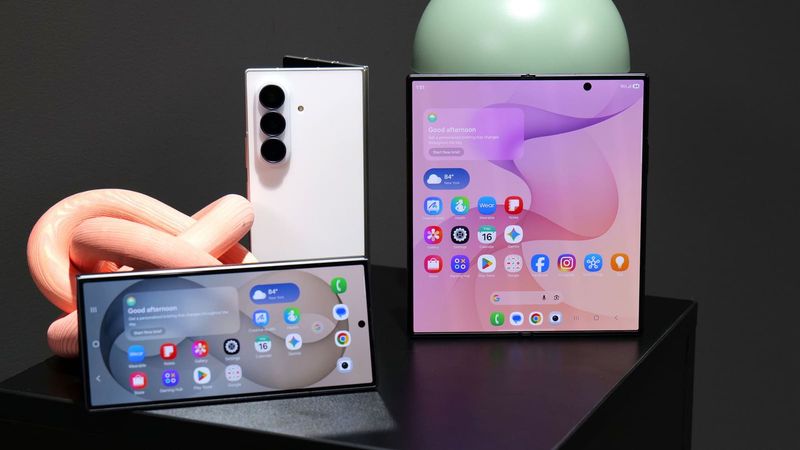
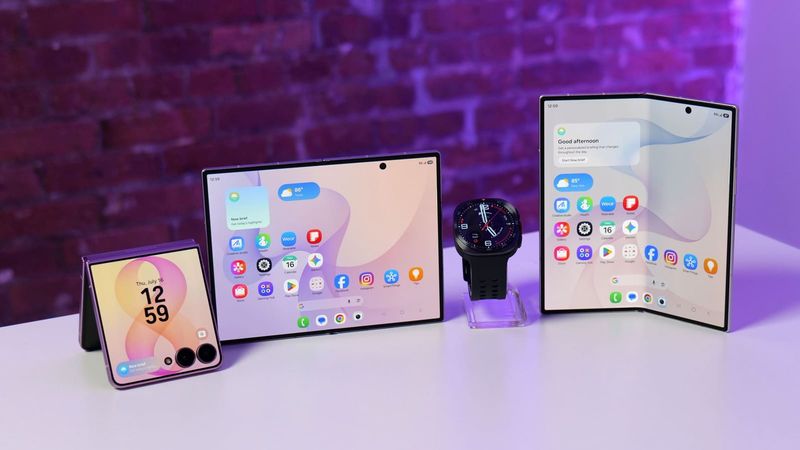
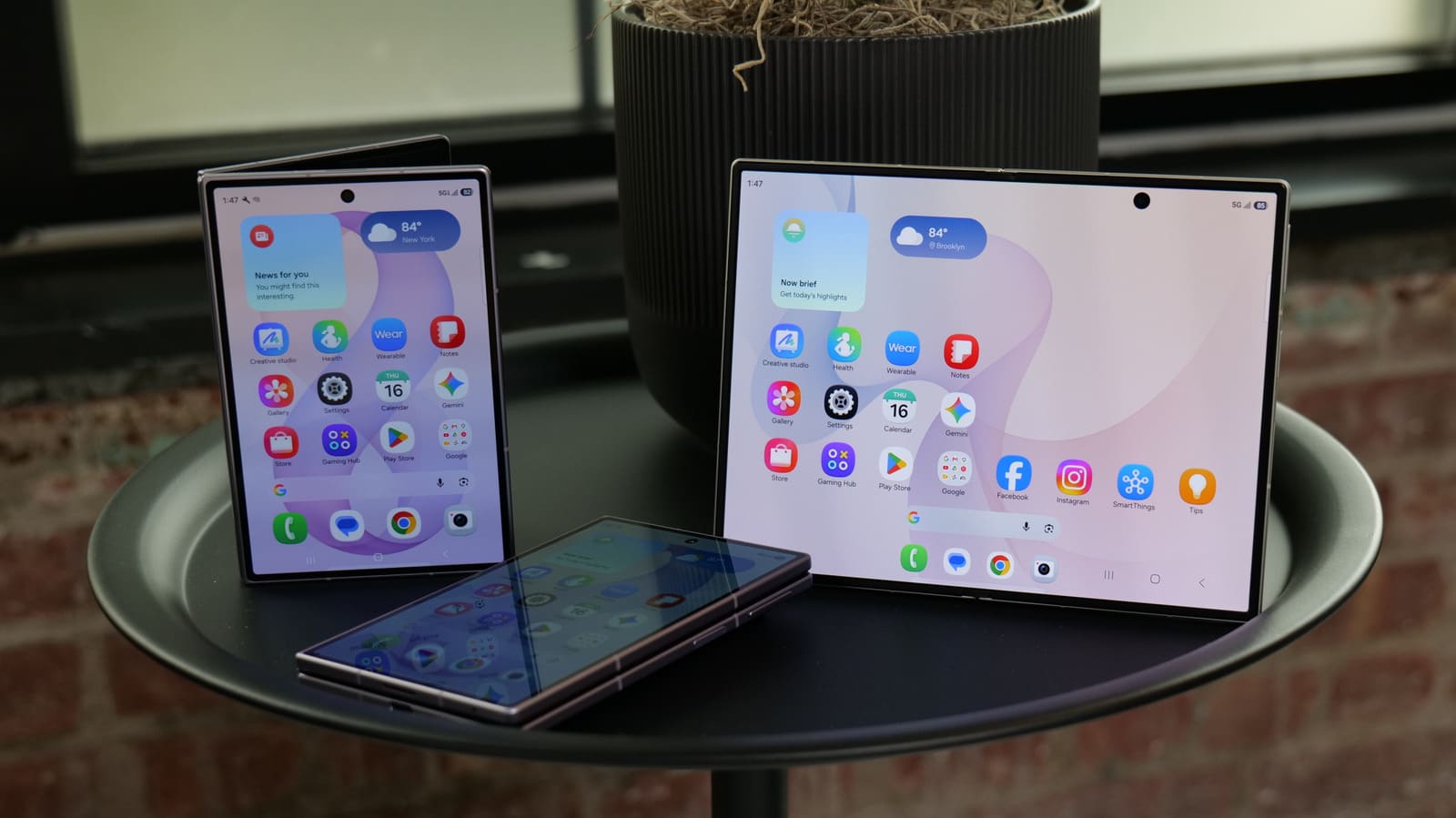
Samsung's eighth-generation foldable arrives with a silhouette that breaks sharply from seven years of precedent. The Galaxy Z Fold 8 is dramatically wider and noticeably shorter when unfolded, measuring 161.4 mm across and 123.9 mm tall. That makes it 18.2 mm wider but 34.5 mm shorter than last year's Fold 7, a shift that transforms the device from a narrow, elongated rectangle into something closer to a compact tablet. The decision reflects Samsung's conclusion that users want screens optimized for landscape consumption rather than one-handed portrait navigation.
At DailyTechWire, we've tracked Samsung's iterative refinements to the Fold line since 2019, and this is the first time the company has fundamentally rethought the aspect ratio rather than shaving millimeters or adding megapixels. The move also coincides with a new two-tier strategy: alongside the base Fold 8, Samsung now offers a Fold 8 Ultra, creating a clear premium segment within the foldable category itself.
Weight Down, Width Up
The base Fold 8 weighs 201 grams, making it the lightest in the series and 14 grams lighter than its predecessor. Folded dimensions come in at 123.9 x 81.9 x 9.7 mm, with the width notably exceeding the Ultra's 72.8 mm folded width by 9 mm. Thickness when closed sits at 9.7 mm, up from the Fold 7's 4.2 mm unfolded measurement but within the range of competing devices from Oppo and Xiaomi.
The main display stretches to 7.6 inches diagonally, using a QXGA+ Dynamic AMOLED 2x panel with 1,848 x 2,448 resolution and a 120Hz refresh rate. The cover screen measures 5.5 inches with FHD+ resolution at 1,248 x 1,972 pixels, also running at 120Hz. Samsung has settled on a 10:16 aspect ratio for the cover display, which sits somewhere between a traditional smartphone's 19.5:9 and a square. The main screen adopts a 4:3 ratio, the same geometry as older iPads and many desktop monitors.
Content-First Geometry
Samsung frames the redesign as a response to how people actually use foldables. The 4:3 main screen provides more horizontal real estate for video, gaming, and split-screen multitasking. Rotated 90 degrees, it becomes a tall, narrow canvas suited to reading long articles or ebooks without excessive line breaks. The 10:16 cover screen, meanwhile, is intended to feel familiar for quick tasks like messaging or scrolling through short-form video feeds, though it remains narrower than a standard flagship phone.
The shift carries trade-offs. A wider device is harder to grip one-handed when unfolded, and the shorter height may feel cramped for users who valued the Fold 7's ability to mimic a standard phone when closed. Samsung is betting that the gains in landscape usability outweigh the ergonomic compromises, a wager that will play out in user adoption over the next year.
Flex Titanium and Low-Reflection Coatings
Samsung has introduced what it calls Flex Titanium display technology, a material stack designed to reduce the visibility of the crease where the screen folds. The company claims the new layer also improves durability, though it has not published bend-cycle test results or specifics on scratch resistance. Both the main and cover displays now feature a low-reflection coating intended to improve outdoor readability, a persistent pain point for OLED screens in bright sunlight.
The hinge mechanism itself has not been detailed in technical terms, but the thinner unfolded profile suggests Samsung has continued to refine the multi-barrel hinge architecture it introduced in the Fold 5.
Snapdragon 8 Elite Gen 5 and a Larger Battery
Qualcomm's Snapdragon 8 Elite Gen 5 for Galaxy powers both the Fold 8 and Fold 8 Ultra. The chip is built on a 3nm process and includes Qualcomm's latest Adreno GPU and Hexagon NPU for on-device AI tasks. Samsung has not disclosed RAM or storage configurations beyond the three capacity tiers: 256GB, 512GB, and 1TB.
Battery capacity has grown to 4,800 mAh, up from 4,400 mAh in the Fold 7. That represents a 9 percent increase, though the larger, brighter displays may offset efficiency gains from the newer chip. Samsung has not specified wired or wireless charging speeds, an omission that suggests they remain unchanged from the previous generation's 25W wired and 15W wireless.
Camera Array and AI Integration
The rear camera system pairs a 50-megapixel wide sensor with a 50-megapixel ultra-wide, both using dual-pixel autofocus. Samsung has dropped the dedicated telephoto module, relying instead on 10x digital zoom, a step back from competitors like the Xiaomi Mix Fold 4, which offers optical zoom beyond 5x. Video recording tops out at 8K resolution at 30 frames per second. Both the main and cover displays house 10-megapixel selfie cameras, embedded under the screen on the main display and in a centered punch-hole on the cover.
Samsung's Galaxy AI suite and Google's Gemini models run on-device, handling tasks like real-time translation, note summarization, and photo editing. The company has not disclosed which Gemini variant is integrated or how much of the processing occurs locally versus in the cloud.
Pricing, Availability, and Market Positioning
Pre-orders opened immediately, with the base Galaxy Z Fold 8 starting at $1,900 for the 256GB model. That represents a $100 increase over the Fold 7's launch price, continuing the upward pricing trend across Samsung's foldable line. Devices ship on August 7 through Samsung's direct channel, major carriers, and retail partners.
Color options include Graphite and Cream across all models, with Lavender and an online-exclusive Pistachio available for the base Fold 8. The introduction of the Ultra variant creates a new ceiling in Samsung's foldable pricing, though the company has not yet disclosed the Ultra's specifications or cost.
A Broader Bet on Foldable Segmentation
The two-tier Fold 8 lineup mirrors Samsung's strategy in the Galaxy S series, where the S26 and S26 Ultra serve distinct customer segments. By splitting the foldable range, Samsung can address both price-sensitive early adopters and buyers willing to pay for additional features, whether that means better cameras, larger batteries, or exclusive materials.
The wider form factor is a riskier move. It abandons the narrow, pocketable profile that defined the Fold line and pushes the device closer to tablet territory. If users embrace the change, Samsung gains a differentiated position against Chinese competitors still iterating on taller, narrower designs. If they reject it, the company will face pressure to revert in the Fold 9 or risk ceding share to Oppo, Vivo, and Honor, all of which are expanding beyond China with foldables that hew closer to traditional smartphone proportions.
For now, Samsung is the only major vendor making this particular aspect-ratio bet at scale. The next six months of sales data will show whether the market agrees that content consumption should dictate form, or whether portability and one-handed use still matter more.