Samsung's Galaxy Z Fold 8 Ultra Refines a Formula That's Running Out of Room to Evolve
The latest foldable flagship delivers incremental hardware polish but struggles to justify its premium positioning as competitors close the gap
The Refinement Ceiling
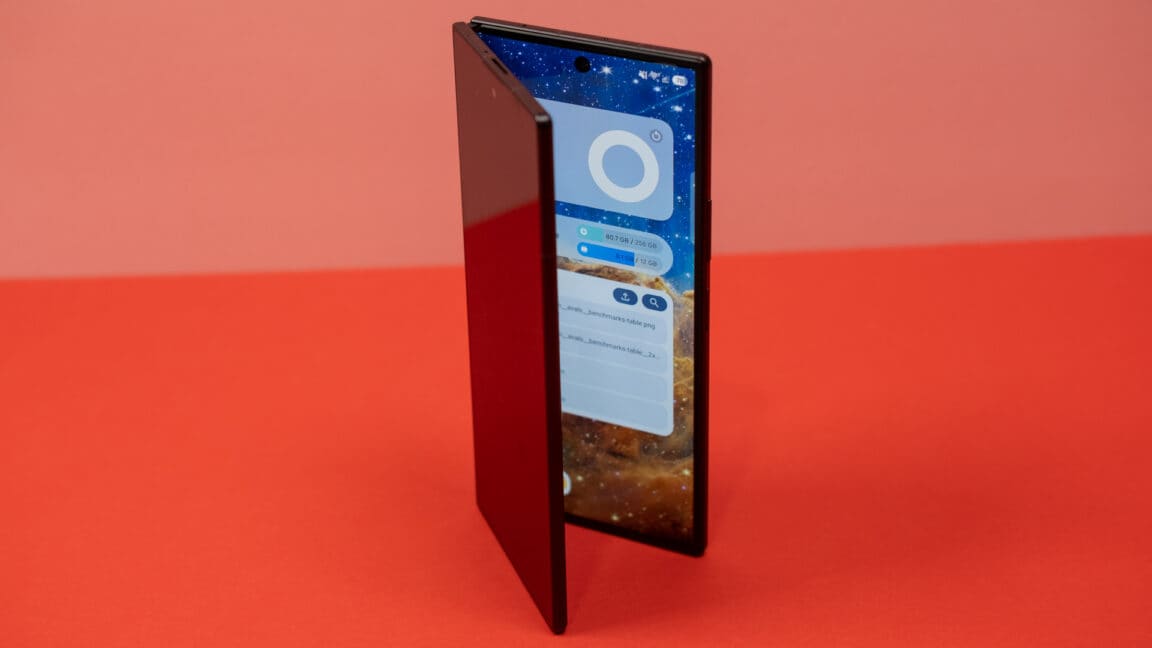
Samsung has spent years teaching the market what a foldable phone should be, but the Z Fold 8 Ultra arrives at a curious inflection point. The device delivers another round of millimeter-shaving and hinge tuning, yet the improvements feel less like breakthroughs and more like the final adjustments to a design that has reached its natural limits.
At DailyTechWire, we've tracked Samsung's foldable trajectory since the original Galaxy Fold stumbled through durability issues in 2019. Seven generations later, the Z Fold 8 Ultra demonstrates how thoroughly the company has solved the early compromises of flexible displays, thermal management, and form factor bulk. It also demonstrates how little room remains for meaningful hardware iteration when the fundamentals are already solved.
The device maintains the tablet-style form factor Samsung has refined since the Z Fold 3, eschewing the wider aspect ratio introduced in the standard Z Fold 8. For users who've followed this product line, the Ultra variant feels familiar to the point of predictability. The fingerprint sensor remains embedded in the power button, the hinge mechanism occupies the same real estate, and the overall footprint stays within a few tenths of a millimeter of its predecessor.
Thickness Wars and Diminishing Returns
Foldables once carried the bulk of two smartphones laminated together, a physical compromise that limited their appeal beyond early adopters. Samsung addressed this systematically, trimming weight and thickness with each release. The Z Fold 7 represented a notable step forward in slimness last year. The Z Fold 8 Ultra edges slightly thinner still, though the difference registers more on spec sheets than in daily handling.
This incremental thinning reflects both Samsung's manufacturing precision and the physical constraints of fitting batteries, cooling systems, and dual-display assemblies into a hinged chassis. The company has effectively reached the point where further reductions require either breakthrough materials science or trade-offs in battery capacity and structural integrity that most users would reject.
The hinge itself, a component that has absorbed significant R&D investment across the foldable category, now operates with the reliability and smoothness that should have been table stakes from the start. Samsung's iterative improvements here matter less as competitive drama and more as confirmation that the technology has matured into commodity status.
The Competitive Context Reshapes the Narrative
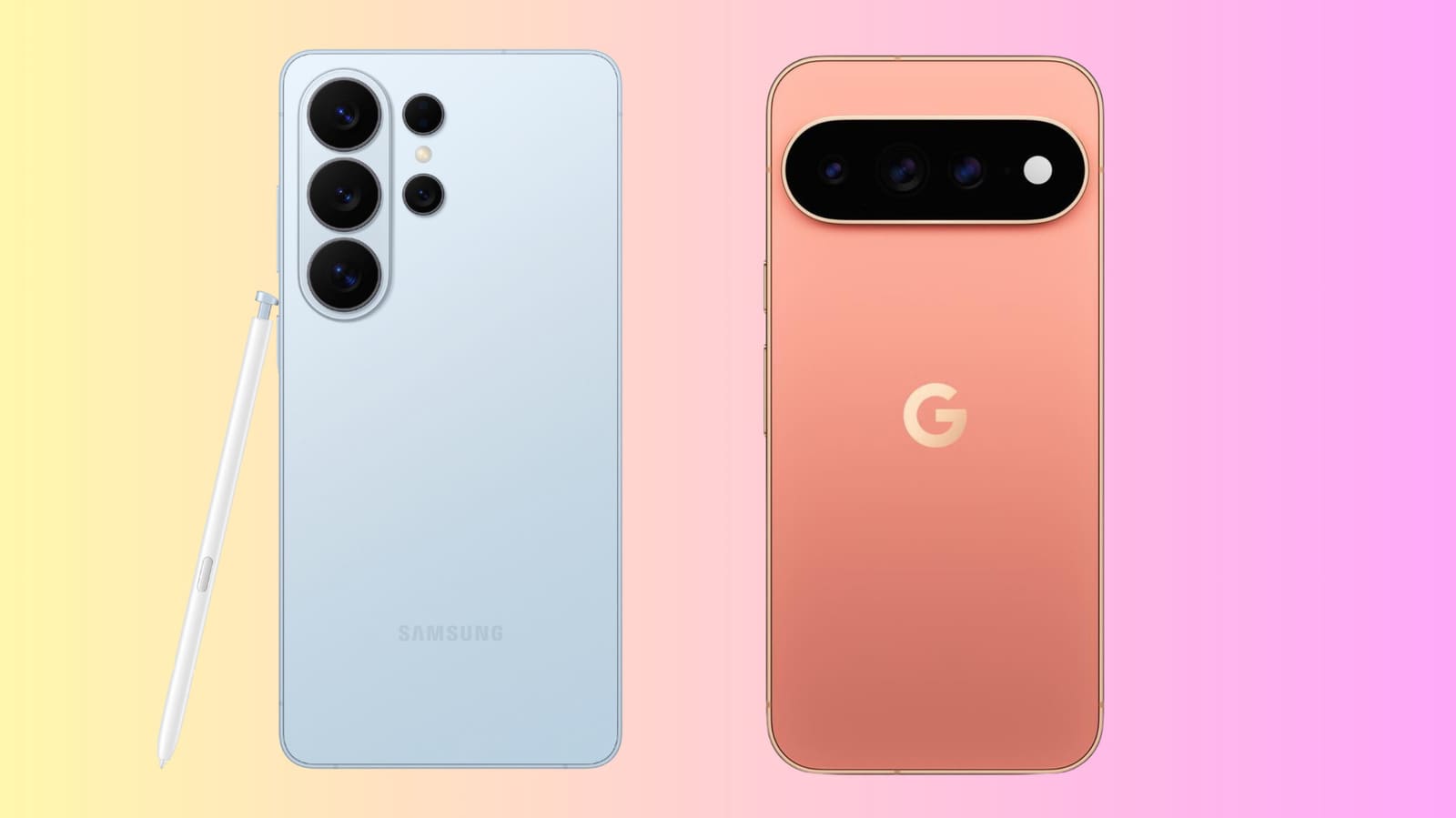
When Samsung dominated foldables by default, incremental upgrades carried less scrutiny. The Z Fold 8 Ultra launches into a different landscape. Google's Pixel Fold line has established a credible alternative with tighter software integration. Motorola's Razr models target different price tiers with aggressive positioning. Chinese manufacturers including Oppo, Vivo, and Honor have shipped foldables with thinner profiles and larger batteries, constrained primarily by limited Western distribution rather than technical shortcomings.
This competitive pressure reshapes how the Z Fold 8 Ultra should be evaluated. The device no longer competes primarily against flat-screen flagships, convincing skeptics that foldables have overcome their early fragility. Instead, it must justify a premium price against rivals that have matched or exceeded Samsung's hardware execution while undercutting on cost.
The "Ultra" branding, borrowed from Samsung's S-series flagship tier, signals an attempt to carve out headroom above the standard Z Fold 8. Yet the differentiation remains modest. The Ultra variant does not introduce radically superior camera hardware, meaningfully faster charging, or exclusive software capabilities that would rationalize a significant price gap. It offers refinement where the market increasingly expects innovation.
Software Parity and the Foldable Advantage Erosion
Early foldables delivered a distinct user experience, with multitasking layouts and app continuity that flat phones could not replicate. As Android's large-screen optimizations have matured and tablet app support has improved, that advantage has narrowed. The Z Fold 8 Ultra benefits from Samsung's OneUI customizations, which handle app scaling and multi-window workflows competently. But these features no longer feel exclusive or particularly differentiated from what Google offers on Pixel Fold devices or what third-party launchers enable on competing hardware.
The foldable form factor still provides utility for users who prioritize screen real estate in a pocketable device. Media consumption, document review, and side-by-side app usage remain genuinely better on a 7-plus-inch unfolded display. However, the incremental hardware improvements in the Z Fold 8 Ultra do not expand that utility. They simply maintain parity with expectations that have already been set.
The Price Problem That Won't Resolve
Samsung has eliminated most of the practical compromises that once shadowed foldables: fragile screens, visible creases, poor battery life, and excessive thickness. The Z Fold 8 Ultra suffers from none of these issues in any disqualifying way. The one compromise that persists, and that Samsung shows no inclination to address, is price.
The Ultra designation signals a premium tier, and the device carries pricing to match. For users comparing against flat flagships in the $1,000 range, the foldable premium remains substantial. For users comparing against competing foldables that undercut Samsung by several hundred dollars while offering comparable specifications, the value proposition becomes harder to defend.
This pricing tension will likely define the foldable market's next phase more than any hardware refinement. Samsung has the brand equity, the carrier partnerships, and the software ecosystem to command a premium. But as competitors ship devices that meet or exceed the Z Fold 8 Ultra's capabilities at lower price points, that premium compresses. The question is not whether Samsung can continue refining its foldables, it's whether the market will continue rewarding those refinements with price elasticity.
What Iteration Looks Like at the Plateau
The Z Fold 8 Ultra is a well-executed device. It represents the cumulative learning of eight generations of foldable development. Users who purchase it will receive a phone that works reliably, folds smoothly, and integrates into Samsung's ecosystem without friction. They will not receive a device that feels meaningfully different from the Z Fold 7, or that delivers capabilities unavailable elsewhere in the foldable landscape.
This is what maturity looks like in a product category. The early years of foldables were defined by rapid iteration and obvious improvements. The current phase is defined by refinement at the margins, where each generation solves smaller problems and delivers subtler enhancements. Samsung has brought foldables to a point where the hardware is no longer the primary barrier to adoption. Price and ecosystem lock-in now matter more than hinge engineering or screen durability.
For Samsung, the challenge is not whether it can continue improving the Z Fold line, it's whether those improvements justify the development costs and premium pricing in a market where competitors have closed the capability gap. The Z Fold 8 Ultra answers the first question convincingly. It leaves the second question unanswered, and increasingly urgent.