The Return of Swappable Smartphone Batteries
An EU regulation could reshape phone design across Asia and beyond, but loopholes may let premium flagships keep their sealed chassis.
The Last Phones Standing
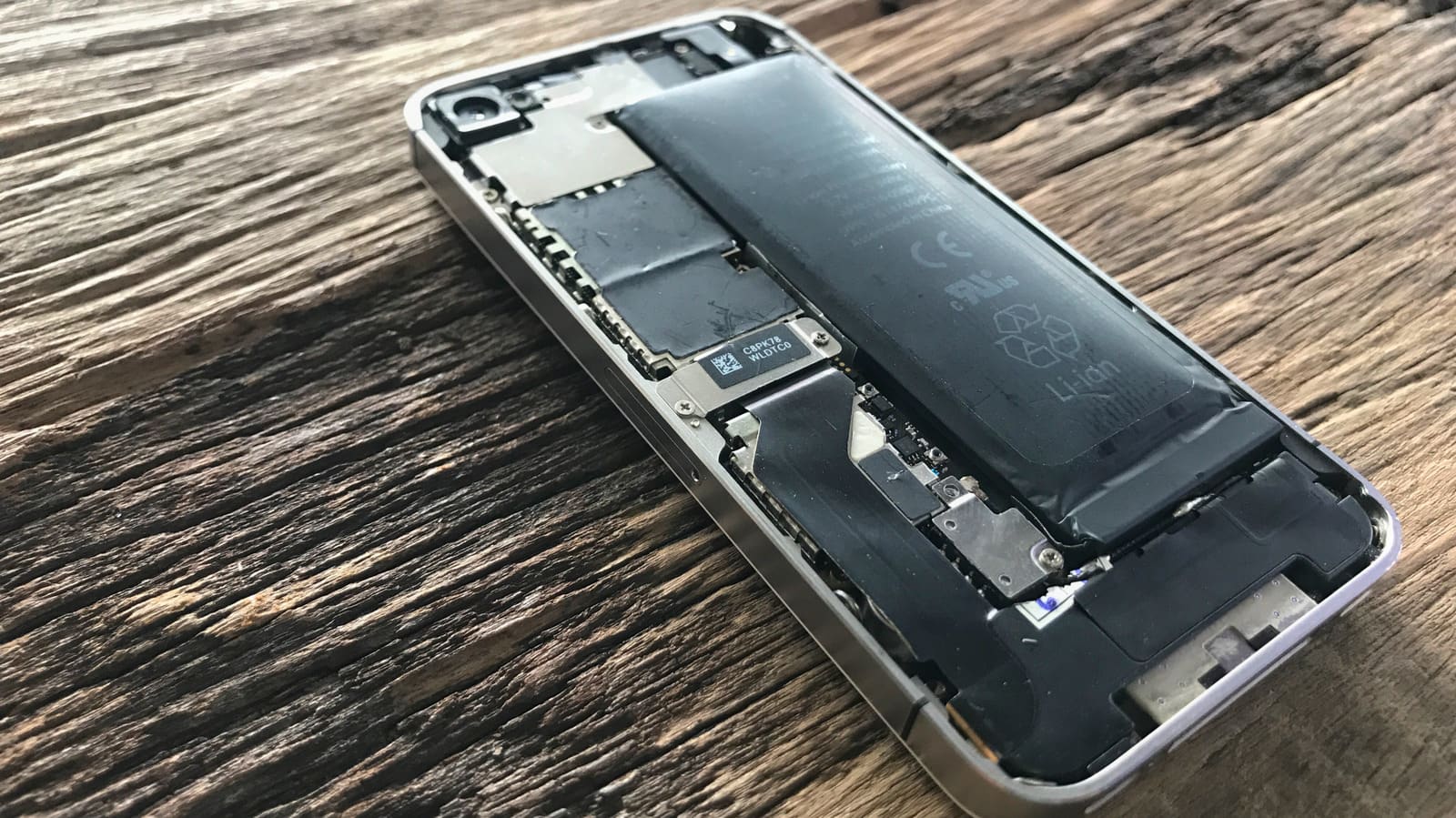
Only a handful of smartphones today let you pop out a dead battery and slot in a fresh one. Samsung's Galaxy XCover 7 Pro, a ruggedized handset aimed at field workers and outdoor enthusiasts, ships with a 4,350mAh cell you can swap without tools. Fairphone's sixth-generation device also keeps the tradition alive, though its five-screw fastening system demands a bit more patience than the fingernail-and-lift designs of a decade ago.
Both models represent outliers in a market that has spent the past twelve years sealing batteries inside glass-and-aluminum bodies. At DailyTechWire, we've tracked the shift as chipset makers, display suppliers, and device assemblers all optimized for thinness, waterproofing, and rapid upgrade cycles. The question now is whether regulation can reverse that tide.
Why Batteries Went Sealed
Three forces converged to kill the removable battery. First, consumers began equating slim profiles with premium quality. A phone that measured nine millimeters thick felt dated next to a seven-millimeter rival, and removable cells demanded space for latches, alignment rails, and reinforcement around the battery cavity.
Second, materials changed. Glass backs became table stakes for wireless charging and the visual language of flagship devices. Aluminum frames followed, delivering rigidity without adding weight. Both materials resist the flexing and impact that removable panels endure, and neither tolerates the tolerance gaps required for tool-free disassembly.
Third, IP ratings became a selling point. An IP68-certified device can sit in two meters of water for thirty minutes without damage, a promise that requires gaskets, adhesive seals, and structural continuity. Removable covers introduce potential failure points, although Samsung has demonstrated that careful gasket placement around the SIM tray, camera module, and battery perimeter can achieve IP68 even with a removable back. The engineering cost, however, is higher.
Beneath those technical reasons lies an economic one: longer device lifecycles hurt unit sales. A user who swaps in a fresh battery after eighteen months may postpone an upgrade by another year, shrinking the addressable market for new models. Sealed designs nudge consumers toward trade-in programs and two-year refresh cycles.
The February 2027 Deadline
European Union battery regulations, finalized after multi-year consultation, take effect in February 2027. The law mandates that portable batteries in consumer electronics be removable and replaceable by end users, using only commercially available tools. Manufacturers cannot require proprietary bits, heated pads, or solvent application, though they may ship a custom screwdriver at no charge if standard Phillips or Torx drivers prove insufficient.
The stated goals are waste reduction, circular-economy enablement, and easier recovery of lithium, cobalt, and rare-earth elements. Batteries account for a significant share of e-waste toxicity, and extending device lifespan by even twelve months can cut per-unit environmental impact by double-digit percentages, according to lifecycle assessments the European Commission cited during the drafting process.
Because designing region-specific SKUs adds cost and inventory complexity, many observers expect manufacturers to adopt a global removable-battery architecture. The precedent is USB-C: when the EU required a common charging port, Apple replaced Lightning across its entire iPhone line rather than maintain parallel models.
The Loophole That Matters
A carveout in the regulation, however, may preserve sealed designs for high-end devices. If a phone meets three criteria, the manufacturer can satisfy the law by making replacement batteries available to professional repair networks instead of end users.
The first criterion is battery longevity: 83 percent capacity retention after 500 full charge cycles, and 80 percent after 1,000 cycles. Apple states that iPhone 15 and later models hit the 80-percent-at-1,000-cycles mark under typical conditions, and other flagship makers have invested in similar cell chemistry and charge-management firmware.
The second is an IP67 rating or better, meaning dust-tight construction and survival of temporary water immersion. Most devices above the $600 price point already meet or exceed this threshold.
The third is that professional repairers must have access to battery stock, tooling, and documentation. Apple, Samsung, and other large OEMs already operate authorized service networks across the EU, so compliance infrastructure exists.
In practice, this means budget and mid-range phones will likely adopt screw-fastened backs and modular battery trays, while flagships may continue using adhesive and specialized tooling as long as they hit the longevity and ingress-protection benchmarks. The regulation creates a two-tier market: accessible repairability for volume segments, and professional-only service for premium lines.
Impact on Asian Supply Chains
Component suppliers in Shenzhen, Seoul, and Hsinchu are already adjusting roadmaps. Battery-pack manufacturers are prototyping rigid-frame cells that slide into cradles without adhesive, and enclosure fabricators are testing snap-fit designs that tolerate repeated removal without cracking. Foxconn and other final-assembly contractors have begun costing out the labor-time difference between adhesive application and screw driving, which affects per-unit margins on high-volume contracts.
For brands headquartered in Asia, the calculus varies. Samsung has experience with removable batteries in its rugged and enterprise lines, so extending that design language to Galaxy A-series devices presents manageable risk. Xiaomi, Oppo, and Vivo, which compete heavily on thinness and camera module innovation, face tighter trade-offs. Anecdotal reports from supply-chain contacts suggest these brands are exploring hybrid approaches: screw-secured batteries in EU-bound SKUs, and adhesive in other markets, at least through the first compliance cycle.
The wildcard is Apple. If the company decides that the longevity and IP exemption applies to the entire iPhone line, it may avoid any design change and simply expand its Independent Repair Provider program in the EU. That outcome would satisfy the letter of the law but frustrate its intent, setting up potential friction with regulators in Brussels.
What This Means for Users
Starting in early 2027, shoppers in Europe and likely much of Asia will see more phones advertised with "user-replaceable battery" as a feature. The experience, however, will vary. Entry-level models may ship with a Phillips screwdriver in the box and a battery compartment you can open on a kitchen table. Flagship devices will probably still require a service appointment, though turnaround times and costs should drop as authorized centers stock more batteries and train more technicians.
The real test will come eighteen to twenty-four months after the regulation takes effect, when the first cohort of compliant devices reaches the point where battery degradation becomes noticeable. If consumers in Berlin, Paris, and Amsterdam respond by swapping batteries instead of upgrading, and if that behavior spreads to Seoul, Singapore, and Jakarta, manufacturers will face pressure to extend software support and component availability. A phone that can run for four years on two batteries needs four years of security patches and accessory compatibility.
Conversely, if the loophole proves wide enough that most people still visit a service center, the regulation may deliver only modest environmental benefit. The key metric to watch is the share of batteries replaced by end users versus professionals, a figure the European Commission has said it will begin tracking in 2028.
The Design Tension Ahead
Removable batteries reopen a tension that the industry thought it had resolved: elegance versus agency. A sealed unibody phone is a controlled aesthetic experience, every surface and seam specified by the design team. A phone with a removable back invites modification, third-party batteries, and visual inconsistency.
For companies that treat hardware as fashion, that loss of control is uncomfortable. For users who remember carrying a spare battery in a jacket pocket, it is liberating. The February 2027 deadline will not settle the debate, but it will shift the terms. At DailyTechWire, we expect the next two years to surface unexpected trade-offs, as brands balance regulatory compliance, material costs, and the preferences of users who increasingly want both premium feel and the right to repair.