OnePlus Set to Withdraw From US and Europe After Years of Market Uncertainty
The Chinese smartphone maker's impending exit would close a chapter that began with challenger-brand energy in 2014, leaving American Android enthusiasts with fewer premium options outside Samsung and Google's ecosystems.
A Retreat Months in the Making
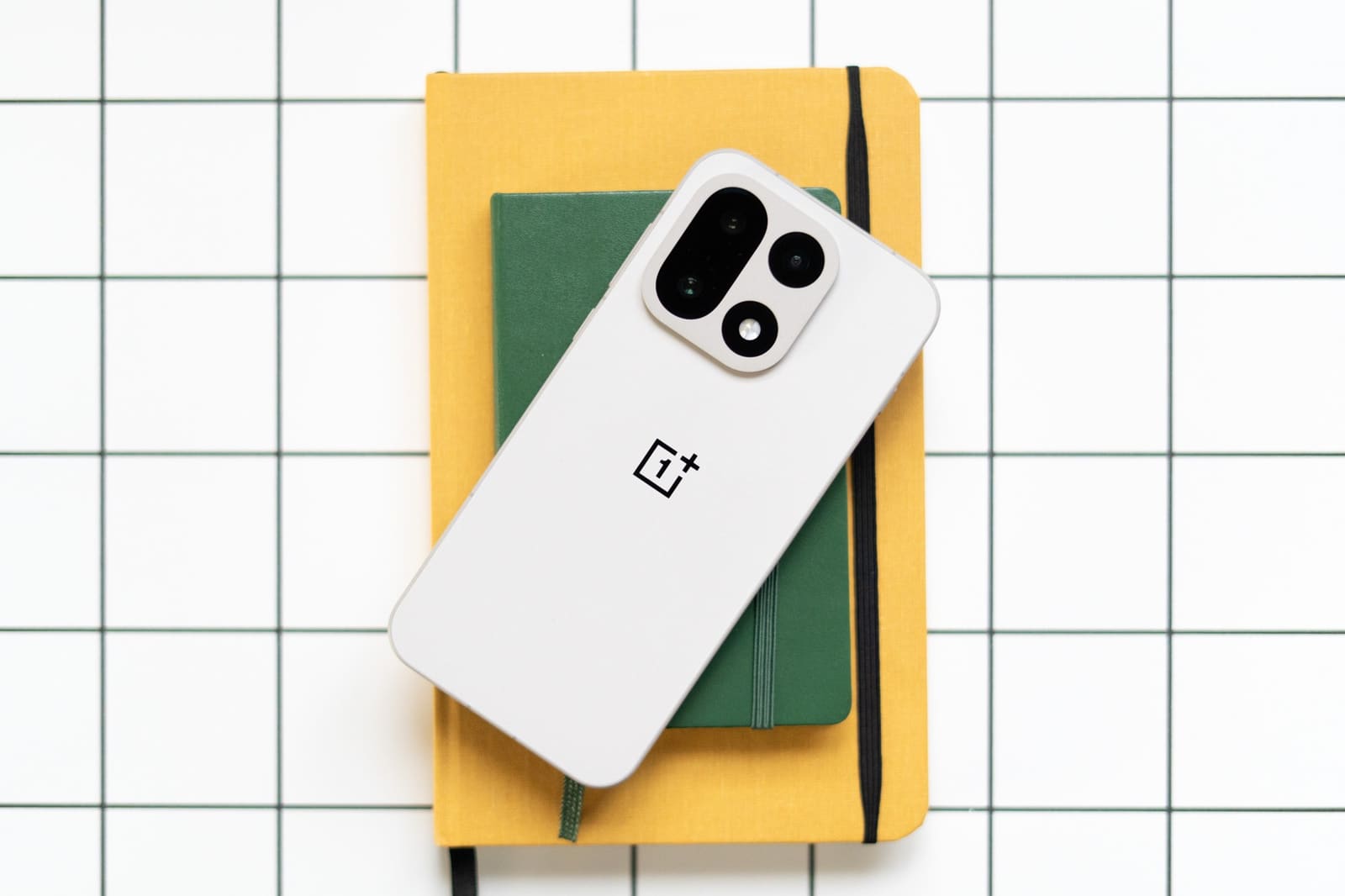
OnePlus and Oppo intend to formally confirm within days that the OnePlus brand will cease operations across the United States and European territories, according to German tech publication WinFuture. The move would represent the culmination of speculation that has shadowed the Shenzhen-based manufacturer since the start of this year, when whispers first emerged that the company's global footprint might contract sharply.
Back in January, industry observers began circulating claims that OnePlus was undergoing a fundamental restructuring, with some reports characterizing the process as a full dismantling of its international arms. At the time, the company issued a carefully worded rebuttal, stating that its North American division remained operational and that customers could expect uninterrupted after-sales service, software patches, and warranty fulfillment. That assurance, however, did little to quell anxiety among the brand's community of early adopters and enthusiasts who had championed OnePlus since its scrappy 2014 debut.
By March, additional signals pointed toward a broader strategic pullback. Reports surfaced suggesting that OnePlus might wind down all activity in markets beyond its home base, though the company declined to offer clarity on timelines or scope. Now, with an official announcement apparently imminent, the picture has come into sharper focus: OnePlus is preparing to cede ground in two of the world's most lucrative smartphone regions, leaving behind a user base that once saw the brand as a refreshing alternative to the duopoly of Samsung and Apple.
The Economics of Staying Power
To understand why OnePlus might choose this moment to exit, it helps to examine the structural pressures facing mid-tier Chinese smartphone vendors in Western markets. Over the past eighteen months, a confluence of regulatory headwinds, patent litigation, and supply-chain realignment has made it progressively harder for brands outside the top three to sustain profitable operations in North America and Europe.
Patent disputes have proven especially costly. Oppo, which serves as OnePlus's corporate parent and shares much of its engineering and supply infrastructure, has faced multiple injunctions and licensing battles across European jurisdictions. These legal entanglements drain cash, delay product launches, and erode the speed-to-market advantage that once allowed OnePlus to undercut incumbents on both price and feature sets. When a company must allocate legal resources to defend its right to sell in Germany or the Netherlands, the margin calculus shifts unfavorably.
At the same time, carrier partnerships in the United States have become table stakes for any brand hoping to capture meaningful share. OnePlus made inroads with T-Mobile and a handful of regional operators, but never achieved the ubiquity enjoyed by Samsung, which maintains deep co-marketing and subsidy arrangements with every major network. Without that distribution muscle, OnePlus remained a niche proposition, appealing primarily to unlocked-phone buyers and tech-savvy early adopters who appreciated its near-stock Android experience and aggressive pricing on flagship silicon.
The shift in semiconductor export controls has also complicated matters. While OnePlus devices have historically relied on Qualcomm's Snapdragon lineup rather than in-house chips, the broader tightening of US-China tech flows has introduced uncertainty into roadmap planning. Component sourcing, software certification, and even over-the-air update infrastructure all face heightened scrutiny, raising the operational burden for any Chinese OEM attempting to serve American customers.
What OnePlus Brought to the Table
When OnePlus launched in 2014 with the invite-only OnePlus One, it tapped into a powerful sentiment: frustration with the price premium commanded by Apple and Samsung, coupled with dissatisfaction with the bloatware and sluggish updates that plagued most Android alternatives. The company's pitch was disarmingly simple. It would source best-in-class components, wrap them in minimalist industrial design, load a lean, customizable version of Android called OxygenOS, and sell the result at half the price of a Galaxy S or iPhone.
For several years, that formula worked. Enthusiast forums buzzed with reviews and teardowns. YouTube creators championed the brand's transparency and willingness to engage directly with users. OnePlus built a reputation for listening to feedback, iterating quickly, and shipping devices that punched well above their price class in benchmarks, camera quality, and display technology.
But as the brand matured, it also drifted. Prices crept upward with each generation. The OnePlus 10 Pro and subsequent models approached flagship pricing, eroding the value proposition that had differentiated the company in the first place. Meanwhile, competition intensified from below. Brands like Nothing, Motorola's resurgent mid-range lineup, and Google's own Pixel A-series offered compelling hardware at accessible price points, often with cleaner software and longer update commitments.
OnePlus found itself squeezed: too expensive to be a budget champion, yet lacking the brand cachet, carrier support, and ecosystem integration that justify premium pricing in mature Western markets. The company's integration with Oppo's broader product strategy further blurred its identity. As OxygenOS merged more deeply with Oppo's ColorOS codebase, long-time users complained that the software experience had lost its distinctive character.
Implications for the Android Landscape
Should OnePlus confirm its departure, the immediate consequence will be a narrowing of choice for American and European consumers who want high-performance Android hardware without committing to Samsung's One UI ecosystem or Google's Pixel lineup. While brands like Motorola, Nothing, and Sony continue to operate in these markets, none commands the same combination of flagship specs, enthusiast credibility, and accessible pricing that OnePlus once delivered.
From a competitive dynamics standpoint, Samsung stands to benefit most. The Korean giant already dominates Android market share in the US and much of Europe; OnePlus's exit removes one of the few remaining challengers willing to compete directly on hardware performance and price. Google's Pixel series, meanwhile, appeals to a different buyer: one motivated by software purity, computational photography, and integration with Google services, rather than raw specifications or customization.
The withdrawal also underscores a broader trend. Chinese smartphone makers, despite commanding dominant positions in their home market and across Southeast Asia, Africa, and parts of Latin America, have struggled to establish durable footholds in the West. Huawei's eviction from US networks and subsequent decline in Europe demonstrated how quickly geopolitical and regulatory forces can dismantle years of brand-building. Xiaomi has maintained a presence in Europe but remains largely absent from the United States. Oppo and Vivo, despite their scale, never prioritized Western markets with the same intensity they brought to India, Indonesia, and the Middle East.
OnePlus's retreat suggests that the window for Chinese Android OEMs to break through in the US and Europe may have closed, at least for the foreseeable future. The combination of legal costs, distribution challenges, and policy uncertainty has made these markets unattractive relative to the growth opportunities available in Asia, where carrier relationships are more fluid, patent enforcement less aggressive, and consumer appetite for value-oriented flagships remains robust.
What Happens to Existing Users
One of the more pressing questions for current OnePlus owners in affected markets is what becomes of software support, warranty service, and spare-parts availability. The company's January statement promised continuity in after-sales operations, but the durability of that commitment remains unclear if the brand formally exits.
Historically, when smartphone makers withdraw from a region, they establish wind-down timelines that honor existing warranty periods and provide security updates for a defined window, often two to three years from the date of a device's launch. Whether OnePlus will maintain service centers, partner with third-party repair networks, or transition support entirely online will shape the experience for users who invested in recent models like the OnePlus 11 or OnePlus Open foldable.
Software updates present another variable. OxygenOS builds are increasingly derived from Oppo's ColorOS foundation, which means that even if OnePlus ceases active marketing and sales in the West, the underlying codebase will continue to evolve for devices sold in China and other markets. The question is whether OnePlus will allocate engineering resources to localize and certify those updates for Western users, or whether support will taper off more quickly than originally promised.
For enthusiasts, the exit also closes a chapter in the custom ROM and rooting community. OnePlus devices enjoyed a reputation for bootloader-friendly policies and active third-party development, making them popular platforms for LineageOS, Paranoid Android, and other aftermarket firmware projects. If new hardware stops shipping to the US and Europe, that ecosystem will gradually age out, leaving fewer options for users who want to extend the lifespan of their devices beyond official support windows.
A Sobering Moment for Brand Optimism
At DailyTechWire, we've followed OnePlus's trajectory from insurgent upstart to establishment player, and the arc reflects broader forces reshaping the global smartphone industry. A decade ago, it seemed plausible that a well-executed challenger brand could leverage online distribution, community engagement, and component commoditization to carve out sustainable share in any market. OnePlus proved that model could work, at least for a time.
But the realities of patent law, geopolitical friction, carrier gatekeeping, and economies of scale have reasserted themselves. Succeeding in the US and European smartphone markets now requires not just compelling hardware and competitive pricing, but also legal firepower, distribution partnerships, and the kind of brand equity that takes decades to build. For a company operating under the shadow of broader US-China tech tensions, those hurdles proved insurmountable.
The lesson is not that innovation or value cannot break through, but that the infrastructure and relationships required to sustain a smartphone business in mature Western markets have become prohibitively complex for all but a handful of players. OnePlus's likely departure is less a failure of product or vision than a recognition that the playing field has tilted decisively in favor of incumbents with deep pockets, entrenched carrier ties, and the geopolitical tailwinds to navigate an increasingly fractured global tech landscape.