Lucid Motors Shuffles Executive Deck After Losing $158 Million Annually
New CEO Silvio Napoli replaces CFO and five C-suite roles while second-quarter deliveries barely budge, underscoring the Saudi-backed EV maker's struggle to find traction in a cooling market.
A Bet on New Blood
Silvio Napoli is betting that fresh leadership can pull Lucid Motors out of a spiral that has seen the Saudi-backed electric vehicle maker hemorrhage cash, cut hundreds of jobs twice in six months, and deliver barely more vehicles this quarter than it did a year ago. The company confirmed that CFO Taoufiq Boussaid is leaving, replaced by a new executive alongside four other C-suite appointments: a chief technology officer, chief customer officer, chief digital officer, and chief transformation officer.
The move comes weeks after Napoli took the helm following a year-long search to replace Peter Rawlinson, who departed suddenly in February 2025 after founding the company and steering it through a 2021 SPAC merger. Napoli has also halved the number of direct reports, and three senior vice presidents are leaving, citing proximity to family as the reason. Lucid said the new leadership will work closely from the company's headquarters and manufacturing sites to tighten collaboration.
The backdrop is bleak. Lucid delivered 3,953 vehicles in the second quarter, a marginal improvement over the prior year, signaling that the Gravity SUV has not gained the momentum the company anticipated. Meanwhile, competitors like Rivian are lifting their 2026 sales forecasts, a divergence that underscores Lucid's difficulty carving out a sustainable niche in a market that has cooled considerably since the SPAC-era exuberance.
The Cost of Restructuring
Lucid's latest round of layoffs, announced in mid-June, is expected to save around $158 million per year. The company is eliminating a second manufacturing shift at its Arizona facility, aligning production with what it calls "anticipated demand," a euphemism for slower-than-expected sales. This is the second major workforce reduction in 2026, a pattern that suggests the company is still searching for the right operating scale.
When Lucid went public in 2021, it promised large addressable markets for its luxury sedan and SUV lineup. Those markets have proven elusive. The company's high price points and production constraints have left it vulnerable in an environment where buyers are increasingly price-sensitive and competitors are flooding the zone with cheaper, more accessible models.
At DailyTechWire, we've tracked the post-SPAC EV cohort closely, and Lucid's trajectory mirrors the struggles of several peers that overestimated demand and underestimated the capital intensity of scaling manufacturing. The difference is that Lucid has the backing of Saudi Arabia's Public Investment Fund, which has kept the company afloat even as cash burn remains a concern.
What Napoli Is Inheriting
Napoli's mandate is to simplify the organization and sharpen execution. In a statement, he emphasized accountability, customer focus, quality, and innovation as the pillars of the new structure. The caliber of incoming leaders, he argued, reflects the underlying value of the business and its future prospects.
That optimism will be tested soon. Lucid is preparing to launch the Cosmos, a smaller SUV expected to retail around $50,000, positioning it as the company's first true mass-market product. If successful, the Cosmos could broaden Lucid's appeal beyond the luxury niche and help justify the scale of its manufacturing footprint.
The company is also working with autonomous vehicle technology firm Nuro and ride-hailing giant Uber on a luxury robotaxi service slated to debut in San Francisco later this year, with a potential Houston expansion in 2027. The initiative is ambitious, but it also adds complexity to a company that is still struggling to execute on core vehicle production and delivery.
The Competitive Context
The contrast with Rivian is instructive. While both companies emerged from the SPAC boom and faced similar headwinds, Rivian has managed to stabilize production, control costs, and maintain investor confidence. Its decision to raise 2026 guidance on the same day Lucid announced its executive overhaul highlights the divergence in execution.
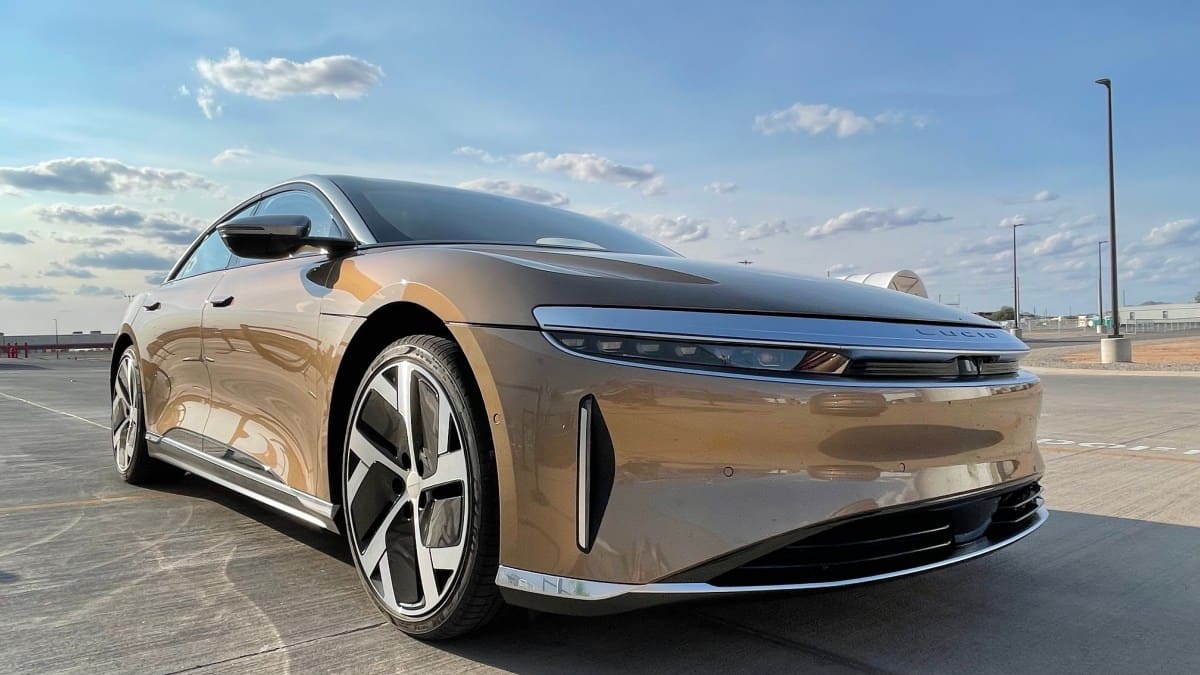
Lucid's premium positioning has always been both an asset and a constraint. The Air sedan won praise for its range and design, but it has not translated into the volume needed to sustain the business at scale. The Gravity SUV was supposed to change that calculus, yet second-quarter deliveries suggest the market is not responding as hoped.
The question now is whether the Cosmos can shift the narrative. A $50,000 price point puts Lucid in competition with a crowded field, including Tesla's Model Y, Hyundai's Ioniq 5, and a wave of Chinese imports that are entering markets outside the U.S. Lucid will need to differentiate on more than just range and luxury if it wants to capture share.
What Comes Next
Napoli's restructuring is designed to position Lucid for long-term competitiveness, but the company has not disclosed whether any product timelines or strategic initiatives will be affected. The Cosmos launch and the robotaxi partnership are both high-stakes bets that could either validate the turnaround or expose deeper operational challenges.
The executive departures, framed as voluntary for family reasons, also raise questions about alignment and culture. Lucid is asking its new leadership team to co-locate at headquarters and manufacturing hubs, a signal that the company believes proximity and collaboration are part of the solution. Whether that translates into faster decision-making and better execution remains to be seen.
For now, Lucid is in a precarious position: cash-rich thanks to Saudi backing, but product-market fit still uncertain. The company has the engineering talent and the brand equity to compete, but it needs to prove it can deliver vehicles at scale, at a price point that resonates, and with margins that make the business sustainable. Napoli's leadership shakeup is a start, but the real test will be whether the new team can translate strategy into results before the market loses patience.