Finland's IQM Lists in New York While Quantum Revenue Remains Years Away
The Helsinki-based quantum computing maker completed a $1.9 billion SPAC debut on Nasdaq, even as its own prospectus warns that commercial viability may never arrive.
A Cautious Debut
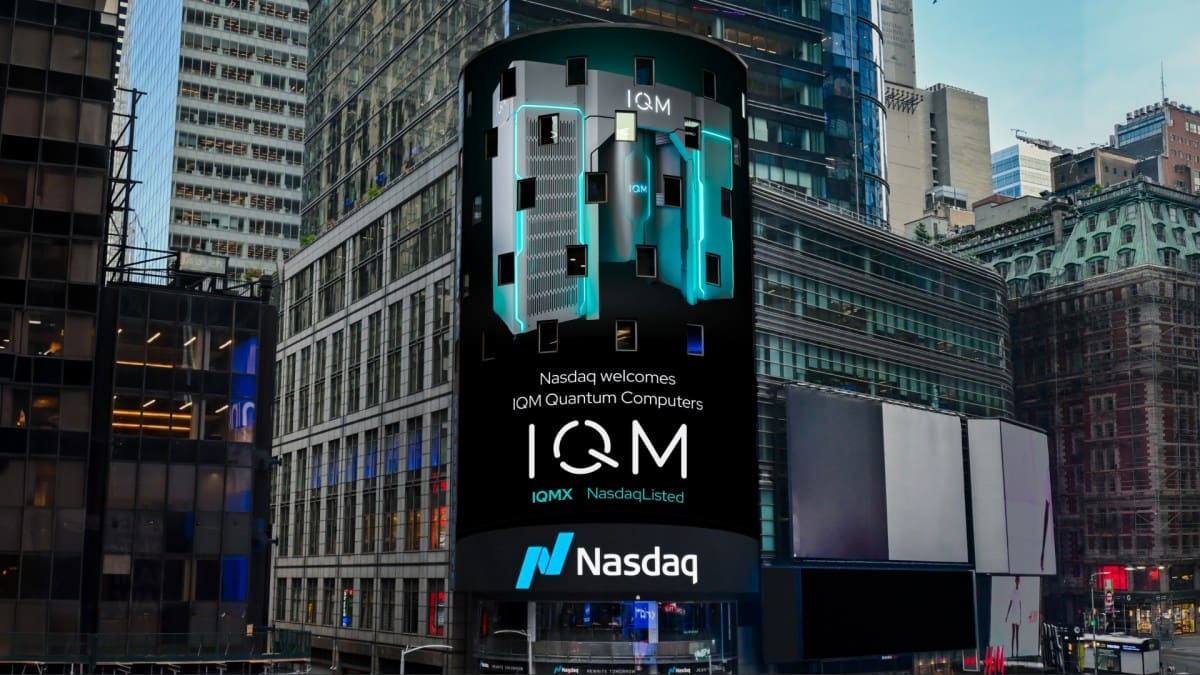
IQM completed its Nasdaq listing Thursday through a special purpose acquisition vehicle at a valuation close to $1.9 billion, according to the company. Shares traded below the offer price for much of the opening session. The Finnish quantum hardware maker is now the first European quantum computing firm to list on a U.S. exchange, narrowly beating French rival Pasqal, which announced similar plans shortly after.
The subdued market reception came despite the company securing roughly €198 million in net proceeds from the transaction, less than a year after closing a $300 million Series B round. At DailyTechWire, we've tracked quantum computing fundraising across Asia and Europe for the past eighteen months, and the pace of capital deployment into the sector has accelerated even as technical milestones remain elusive.
What stands out in IQM's case is a disclosure buried in the offering documents: the company explicitly stated that widespread commercial adoption of quantum computing technology may never occur. That warning applies across the entire industry, yet few companies preparing to tap public markets have articulated the uncertainty so plainly.
Selling Hardware Before the Advantage Arrives
IQM manufactures physical quantum computers and offers cloud-based access to its systems. According to the company, its customer base expanded from eight organizations in 2024 to twenty-two in 2025. Current clients include VTT Technical Research Centre of Finland and Leibniz Supercomputing Centre in Germany. Two recent contracts came from private-sector buyers, a shift the company views as significant.
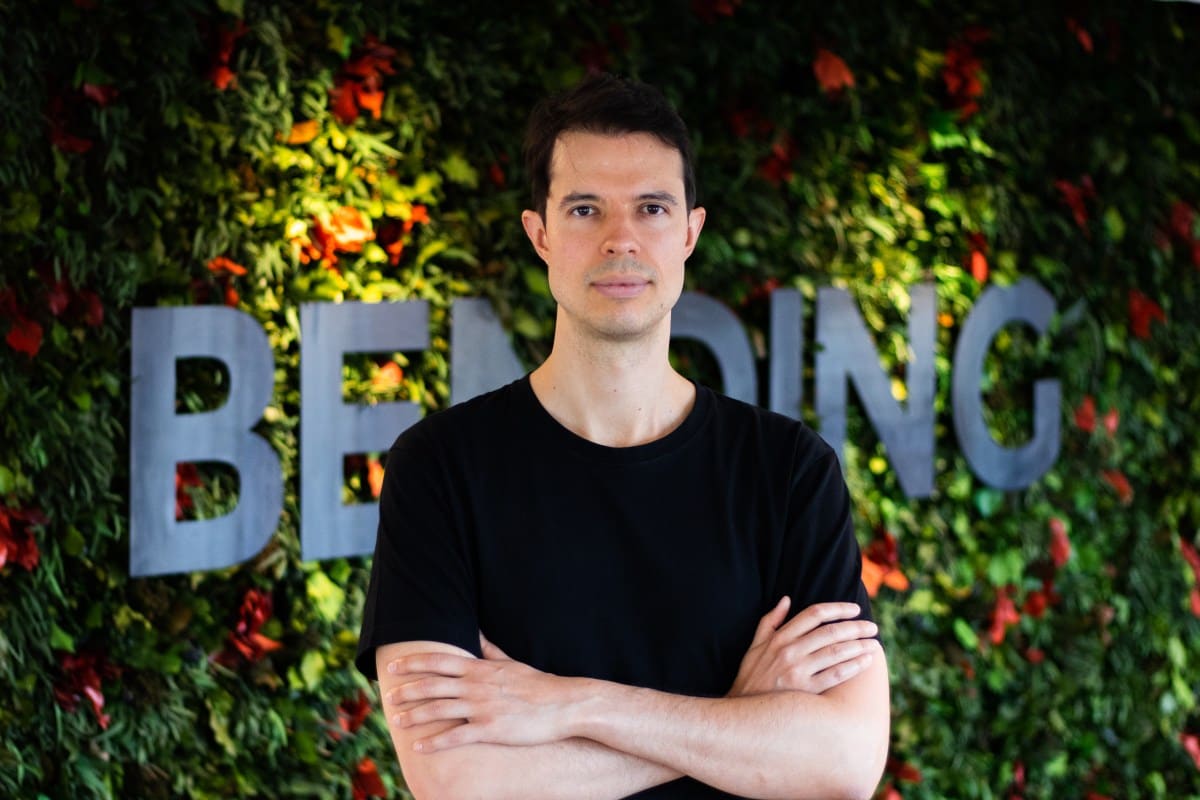
Co-founder and CEO Jan Goetz described the business model as a dual offering: selling machines to advanced supercomputing centers and data centers, while also providing computing time through cloud infrastructure. The customer growth is real, but the numbers underscore a reality the industry grapples with daily. Demand remains concentrated in research institutions and early adopters willing to experiment with systems that have not yet demonstrated quantum advantage, the threshold at which quantum processors consistently outperform classical computers on a meaningful range of tasks.
Quantum advantage promises breakthroughs in drug discovery, materials science, financial modeling, and cryptography. But no company, including those building the hardware, can predict when that inflection point will arrive. Until then, customers use quantum systems for narrow applications like simulations and optimization problems, tasks that classical supercomputers can often handle with greater reliability.
Policy Winds and National Priorities
Despite the technical uncertainty, government support for quantum computing has intensified. President Trump issued executive orders earlier this year aimed at accelerating quantum development timelines in the United States. In response, the U.S. Department of Energy announced plans to deploy what it calls the world's first fault-tolerant, scientifically relevant quantum computer by 2028.
IQM has positioned itself to benefit from this policy environment. The company recently opened a quantum technology center in Maryland and installed a system at Oak Ridge National Laboratory, which operates under the Department of Energy. Goetz noted that the company stands to gain directly from federal commitments to quantum infrastructure.
Similar national quantum initiatives have emerged in France, Germany, and the United Kingdom, but the U.S. policy shift carries particular weight for companies seeking to establish a transatlantic presence. For IQM, which has received more than €200 million in public funding from European governments, the dual listing strategy reflects an effort to straddle both markets without abandoning its roots.
Staying Rooted in Espoo
IQM was spun out of Aalto University in Espoo in 2018. Espoo, a technology cluster adjacent to Helsinki, remains home to roughly two-thirds of the company's 420-person workforce. Another hundred employees work in Munich, with the remainder distributed across sites supporting global expansion.
The company will list on Nasdaq Helsinki as well as Nasdaq in New York, where it trades under the ticker IQMX. Goetz emphasized that IQM has no plans to shift its operational center of gravity to the United States, a path taken by several European unicorns in recent years. Finland's sovereign wealth fund, Tesi, has been a long-term backer and is expected to continue supporting the company post-listing.
The dual-listing approach appealed to RAAQ, the blank check company that facilitated the SPAC transaction. In its assessment, RAAQ's board highlighted IQM's ability to secure substantial public backing in Europe while simultaneously demonstrating operational capacity outside the continent. The company's European foundation, combined with its U.S. expansion, was framed as a strategic advantage rather than a liability.
Capital Without Clarity
IQM raised $300 million just nine months before completing the SPAC transaction. Goetz characterized the short interval between rounds as a success, a sign of investor confidence in the company's trajectory. The reality is more complex. Quantum computing remains a capital-intensive field with long development cycles and uncertain revenue timelines. Companies in the sector are raising as much capital as possible while investor appetite remains strong, hedging against the possibility that technical progress may stall or take longer than optimistic forecasts suggest.
The warning in IQM's prospectus about the potential for quantum computing to never achieve large-scale commercial traction is not unique, but its prominence in a public offering document is notable. It reflects a tension the industry has yet to resolve: how to justify billion-dollar valuations and aggressive fundraising when the fundamental question of whether the technology will deliver on its promise remains unanswered.
Investors, both public and private, continue to pour money into quantum ventures. Part of that enthusiasm is driven by government policy, part by the fear of missing out on a transformative technology, and part by the conviction that even incremental progress in quantum computing could unlock significant value in adjacent fields like optimization and cryptography.
The Race to Be First
Goetz expressed satisfaction at being the first European quantum computing company to list in the United States, acknowledging the symbolic value of the milestone while noting that long-term success matters more than timing. Pasqal's announcement of its own SPAC plans came shortly after IQM's, underscoring the competitive dynamics within the European quantum sector.
The race to go public reflects broader competition for visibility, talent, and government contracts. Quantum computing companies are vying for position in a market that does not yet fully exist, betting that early leadership in hardware, software, or cloud services will translate into dominance once quantum advantage becomes a practical reality.
For now, IQM's dual listing represents a bet on two geographies and two investor bases. The company has secured substantial capital, established relationships with key government laboratories, and built a customer base that, while small, is growing. Whether that foundation will support a profitable business remains an open question. The company's own prospectus makes that clear. What IQM has accomplished is positioning itself as a credible player in a race where the finish line is still out of sight.