John Deere Agrees to Open Repair Access After FTC Enforcement
A decade-long settlement forces the agricultural giant to share tools and software with independent mechanics, testing whether consent decrees can reshape hardware ecosystems.
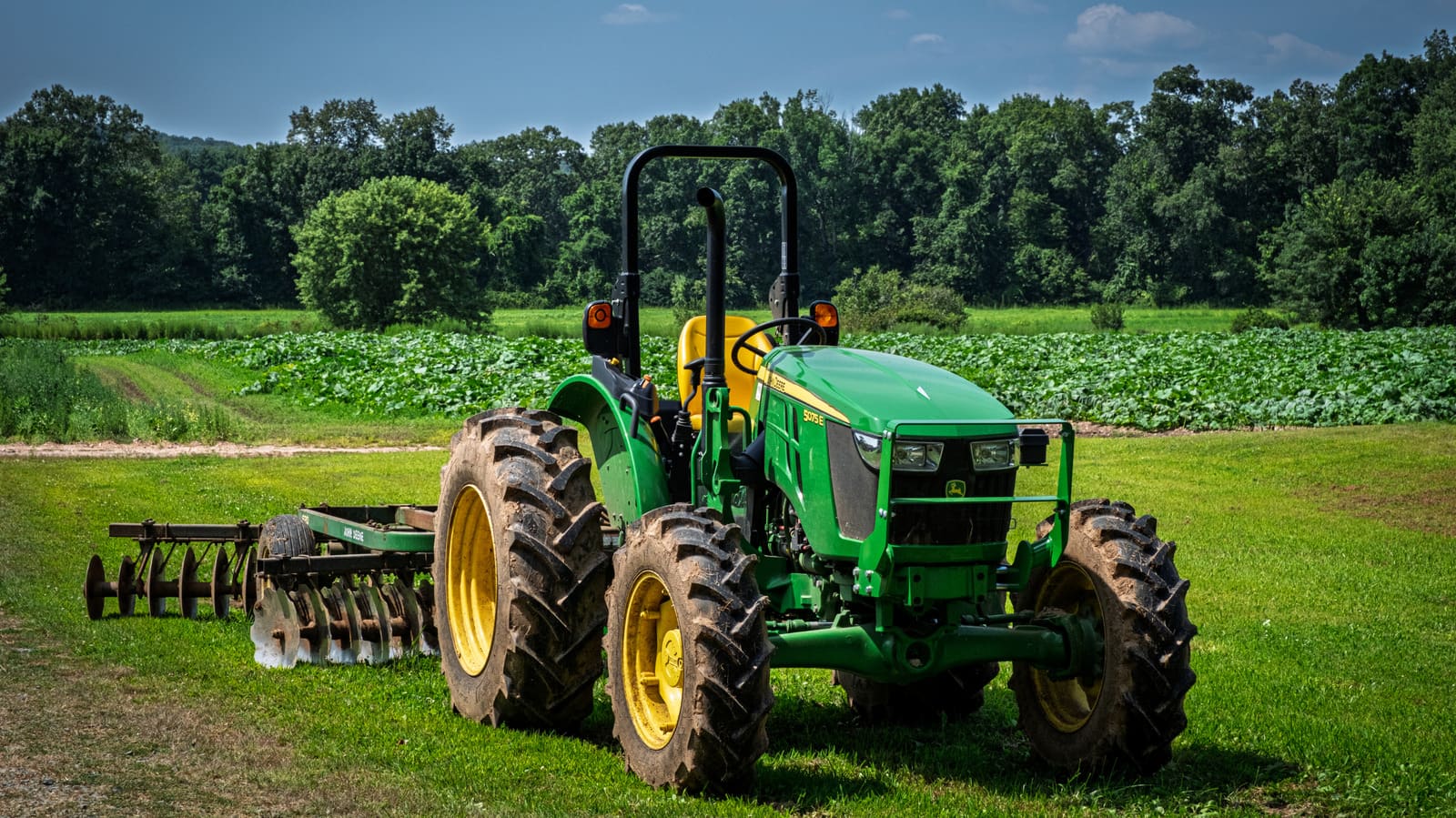
The Deal That Opens the Toolbox
Deere & Company has committed to a ten-year arrangement that will require it to furnish farmers and independent repair businesses with identical diagnostic software, technical manuals, and service capabilities currently available only to its authorized dealer network. The Federal Trade Commission, working alongside five state regulators, finalized the agreement following enforcement action launched last year over practices that locked equipment owners into proprietary service channels.
The settlement imposes ongoing reporting obligations and establishes oversight mechanisms. If Deere violates the terms during the initial decade, regulators retain authority to extend the monitoring period, a clause designed to ensure compliance outlasts the initial enforcement burst.
At DailyTechWire, we've tracked how equipment manufacturers across industries have used embedded software to control downstream service markets. This case marks one of the clearest regulatory wins for advocates who argue that ownership should include the right to maintain and modify.
Why Agricultural Equipment Became a Repair Battleground
Modern tractors and harvesters run on proprietary code that governs everything from engine timing to GPS-guided planting. When a sensor fails or a hydraulic line clogs, diagnostic software is often the gatekeeper. Deere's policy required farmers to route repairs through authorized dealers or pay premium rates to independent shops that lacked full access to the company's tools.
The financial consequences compound during harvest windows. A combine that sits idle for three days waiting for a dealer technician can cost a farmer tens of thousands of dollars in lost yield. Independent mechanics, meanwhile, faced incomplete documentation and software lockouts that made competitive pricing nearly impossible.
The FTC's case centered on allegations that these restrictions constituted unfair practices under federal consumer protection law. The complaint did not challenge Deere's intellectual property rights outright but argued that the company's implementation created artificial scarcity in the repair market.
What Farmers and Third-Party Shops Gain
Under the settlement terms, Deere must provide the same suite of repair resources to any qualified party. That includes diagnostic interfaces, software update protocols, wiring schematics, and parts catalogs. Independent shops will no longer need to reverse-engineer systems or rely on gray-market tools sourced from forums.
The agreement does not mandate price parity for parts or labor, only parity in access to information and capability. A farmer in Iowa can now purchase the same diagnostic tablet software that a Deere dealer in Illinois uses, though the hardware and subscription costs remain at Deere's discretion within competitive bounds.
Nathan Proctor, who directs right-to-repair campaigns at US PIRG, emphasized that the advocacy community will monitor implementation closely. The settlement's success depends on whether Deere interprets "same resources" narrowly or broadly, and whether the company finds workarounds such as tiered software licensing or restrictive training requirements.
The Broader Repair Landscape in Hardware
Deere's settlement arrives as regulators and legislators worldwide grapple with how ownership functions in an age of software-defined products. The European Union's Ecodesign for Sustainable Products Regulation mandates spare part availability and repair documentation for appliances. California, New York, and Minnesota have passed state-level repair laws covering consumer electronics, though enforcement remains uneven.
Agricultural equipment sits at an intersection of industrial durability and digital complexity. A $600,000 combine may operate for two decades, but its control systems receive software patches that can alter performance or disable features. The question of who controls those updates, and under what terms, shapes the total cost of ownership far beyond the initial purchase.
This settlement does not resolve every tension. Deere retains the ability to push over-the-air updates that could, in theory, modify repair workflows or introduce new authentication layers. The oversight provisions aim to catch such maneuvers, but the FTC will need to dedicate resources to auditing compliance rather than relying on reactive complaints.
What Happens When the Decade Ends
The ten-year term reflects a regulatory bet that a decade of open access will entrench independent repair ecosystems enough that backsliding becomes commercially unviable. If third-party shops build customer bases and Deere's dealer network adapts to competition, the company may find it difficult to reimpose restrictions even after formal oversight lapses.
Alternatively, Deere could use the decade to redesign its product architecture in ways that make independent repair technically feasible but economically unattractive. Cloud-based diagnostic systems with subscription tiers, modular components that require cryptographic pairing, or service contracts bundled with equipment financing could all preserve margin without violating the letter of the settlement.
The extension clause offers some protection. If Deere breaches the agreement, regulators can reset the clock and potentially add stricter conditions. That threat may deter overt violations but does little to address strategic product design choices that achieve similar ends.
The Economics of Fixability
Repair access fights are ultimately battles over who captures the lifetime value of a product. For Deere, authorized dealer networks generate parts revenue, service contracts, and data on equipment usage that inform future designs. Opening that channel to competitors erodes a high-margin business line that has historically subsidized lower equipment prices.
For farmers, the calculus is straightforward: repair costs directly affect operating margins in an industry where commodity prices fluctuate and input costs have climbed. The ability to fix a machine on-site using generic parts and open documentation can mean the difference between profit and loss in a tough season.
US PIRG's Proctor framed the settlement as a win for a "more fixable world," a phrase that resonates beyond agriculture. As hardware becomes more embedded with software, the right-to-repair movement argues that ownership must include the right to understand, modify, and maintain. Without that, buyers are effectively leasing functionality from manufacturers in perpetuity.
The Deere settlement tests whether regulatory intervention can rebalance those economics. If independent repair shops thrive and farmers report meaningful cost savings, the model may spread to construction equipment, medical devices, and other capital-intensive sectors where proprietary service networks dominate.
Open Questions on Implementation
The settlement leaves critical details to be worked out in practice. What constitutes "the same" software capability? If Deere's dealer tools include features for fleet management or predictive maintenance, must those also be licensed to independents? If a diagnostic function requires cloud connectivity, can Deere charge access fees that effectively price out small shops?
Training and certification present another gray area. Deere could argue that certain repairs require specialized knowledge and restrict access to software modules unless technicians complete company-run courses. If those courses are expensive, infrequent, or geographically concentrated, the barrier to entry remains high even if the software is nominally available.
Parts availability is adjacent but not covered by the settlement. Deere can still prioritize shipments to authorized dealers or discontinue components for older models. A farmer with full diagnostic access but no source for a discontinued hydraulic pump is only marginally better off.
These ambiguities will likely generate disputes that test the FTC's willingness to enforce the agreement aggressively. The agency's resource constraints and shifting political priorities across administrations could weaken oversight over time.
What This Means for Hardware Policy in Asia
Agricultural equipment markets in India, China, and Southeast Asia face similar dynamics. Mahindra, Kubota, and Yanmar all produce tractors with embedded electronics, and local repair ecosystems often rely on informal networks that reverse-engineer proprietary systems.
Regulatory frameworks in the region have been slower to mandate repair access. India's consumer protection law includes broad "unfair trade practice" provisions but lacks the granular enforcement seen in this Deere case. China's emphasis on domestic manufacturing could complicate repair mandates if they conflict with intellectual property strategies that Chinese firms use to compete globally.
The Deere settlement may serve as a reference point for policymakers in Delhi, Jakarta, and Bangkok who are weighing how to balance farmer interests against industrial policy goals. If the US model proves workable, it could accelerate similar rules in markets where agriculture remains a larger share of GDP and political influence.
For now, the settlement stands as a concrete example of what right-to-repair enforcement can achieve and the limitations it carries. The next decade will reveal whether regulatory mandates can durably shift the economics of ownership or whether manufacturers will find new ways to control the products they sell.