Japanese Brokerages Rethink Infrastructure After SpaceX Offering Proves Retail Appetite
Mizuho and SBI are upgrading systems to capture domestic demand for U.S. tech IPOs, following a $2 billion cross-border debut that revealed structural gaps in retail access.

The $2 Billion Wake-Up Call
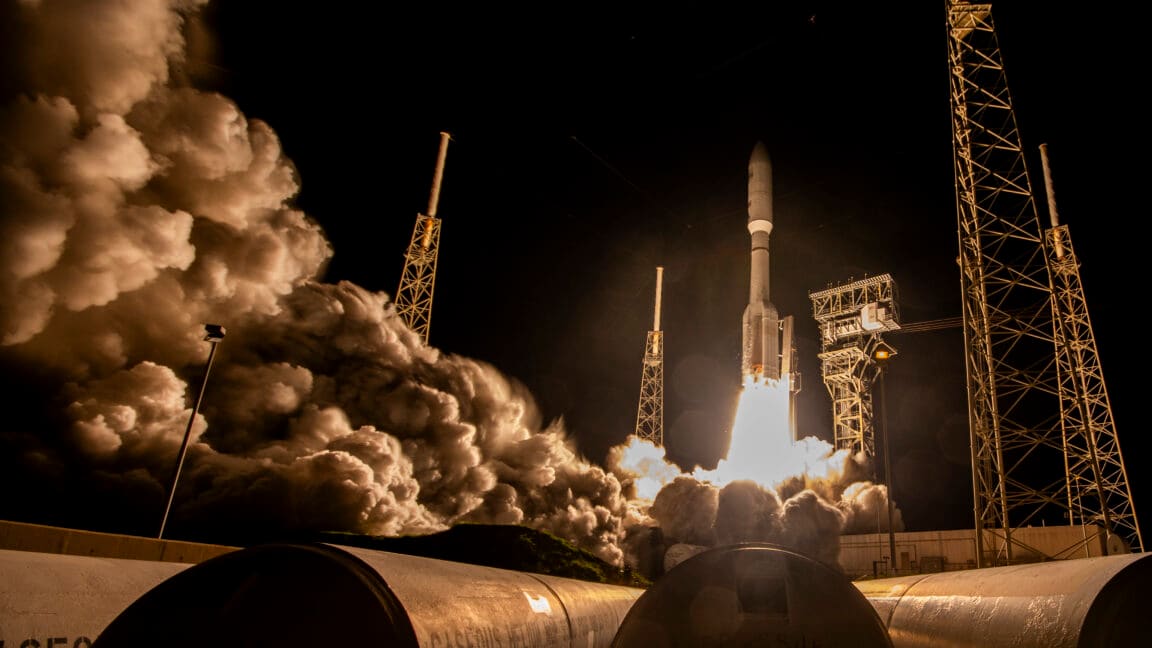
When SpaceX priced its U.S. initial public offering in June, Japanese retail investors purchased more than $2 billion worth of shares without the company listing a single share on a Tokyo exchange. That figure landed as both validation and indictment: validation that Japanese savers remain hungry for high-growth technology exposure, and indictment of the infrastructure that made accessing it cumbersome.
Now, securities firms including Mizuho Securities and SBI are overhauling their systems to smooth the path between Japanese retail accounts and American IPO allocations. At DailyTechWire, we've tracked similar cross-border appetite in Singapore and Seoul, but the SpaceX debut marks the first time a single U.S. offering has triggered platform upgrades across an entire national brokerage industry.
The moves come as a cluster of American technology companies prepare to go public, many with valuations that dwarf the typical domestic IPO pipeline in Tokyo. For Japanese brokerages, the choice is stark: build the pipes to capture that demand, or watch assets flow offshore to platforms that already have them.
Why Infrastructure Lagged Appetite
Japanese retail investors have long demonstrated willingness to allocate to foreign equities, particularly in sectors where domestic options are thin. Semiconductor capital equipment, cloud infrastructure, and now commercial space represent categories where Tokyo-listed proxies either don't exist or trade at valuations that reflect Japan's low-growth macroeconomic backdrop.
Yet until recently, participating in a U.S. IPO from a Japanese brokerage account required navigating a patchwork of manual processes: separate foreign-securities agreements, phone-based order entry, and settlement workflows that often took days. Allocations were small and opaque, reserved mostly for high-net-worth clients with dedicated relationship managers.
SpaceX's offering exposed those friction points at scale. Retail orders flooded in, but many brokerages lacked the real-time connectivity to U.S. underwriting syndicates or the back-office automation to handle the volume. The result was a surge in operational errors, delayed confirmations, and customer complaints that the firms had left money on the table.
The $2 billion in Japanese sales was captured, but it came at the cost of strained systems and bruised reputations. That has focused attention on the next wave: a pipeline of artificial intelligence infrastructure companies, fintech platforms, and mobility startups that are expected to list in New York over the next eighteen months.
What Mizuho and SBI Are Building
Mizuho Securities is implementing a new cross-border settlement layer that connects its Tokyo retail platform directly to U.S. clearing networks. The upgrade allows customers to place IPO orders through the same mobile interface they use for domestic Japanese equities, with real-time allocation updates and same-day settlement in yen-equivalent terms.
SBI, which operates one of Japan's largest online brokerage platforms, is taking a different approach: it is negotiating standing allocation agreements with U.S. investment banks, securing blocks of shares in anticipated offerings before they price. That model mirrors what firms like Tiger Brokers and Futu have built for Chinese and Southeast Asian retail, turning IPO access into a retention tool rather than a one-off service.
Both firms are also investing in localized research and education content, translating S-1 filings and hosting webinars on U.S. disclosure requirements. The goal is to reduce the information asymmetry that has historically made Japanese retail investors wary of foreign IPOs, particularly in sectors like aerospace and defense where regulatory and geopolitical risks are harder to quantify.
The infrastructure investments are expensive, requiring not just technology but also legal and compliance work to navigate cross-border securities rules. But the firms view them as defensive: if they don't build the pipes, younger investors will simply open accounts with international platforms that already have them.
The Competitive Landscape Shifts
The Japanese brokerage industry's scramble reflects a broader shift in how retail capital flows to growth assets in Asia. For decades, Tokyo was a net exporter of savings but a laggard in providing domestic access to high-growth equities. That created an opening for offshore platforms, and SpaceX's debut demonstrated how wide that opening has become.
Competitors are watching closely. Regional brokerages in Singapore and Hong Kong have long offered streamlined U.S. IPO access, and they are now marketing directly to Japanese customers through digital channels. The pitch is simple: why wait for your Tokyo brokerage to catch up when you can open an account abroad and participate on day one?
Japanese firms are also competing with each other. Nomura, the country's largest brokerage, has historically focused on institutional clients and high-net-worth individuals for cross-border offerings. The retail push by Mizuho and SBI threatens to erode that positioning, forcing Nomura to decide whether to defend its premium model or chase volume downmarket.
The result is a rare moment of infrastructure competition in a market that has been slow to innovate. The firms that move fastest stand to capture not just IPO fees but also the asset-gathering and trading revenue that follows when retail investors build positions in foreign equities.
Risks in the Rush
Upgrading systems to handle U.S. IPO volume carries execution risk. Cross-border settlement is complex, and mistakes can be costly: a miscalculated currency hedge or a failed trade confirmation can leave a brokerage holding unwanted inventory or facing regulatory penalties.
There's also demand risk. SpaceX was a marquee name with brand recognition and a two-decade operating history. The next wave of IPOs may lack that profile, and Japanese retail investors may prove more selective than the $2 billion haul suggests. If allocations go unfilled, the infrastructure investments will look premature.
Regulatory risk looms as well. Japan's Financial Services Agency has signaled interest in tightening rules around cross-border retail offerings, particularly if complaints about allocation transparency or suitability rise. Any new requirements could force brokerages to redesign systems they are only now building.
Finally, there's the risk that U.S. companies themselves choose to list in Asia. Several high-profile startups have explored dual listings or primary offerings in Hong Kong or Singapore, where investor appetite for technology has been strong and regulatory pathways have streamlined. If that trend accelerates, the infrastructure Japanese brokerages are building for U.S. access may become less relevant.
What It Signals About Capital Flows
The Japanese response to SpaceX's IPO is less about one company and more about the direction of retail capital in Asia. Savings rates remain high across the region, but returns on domestic fixed income and equities have lagged. That has pushed investors to look abroad, and U.S. technology offerings, despite their volatility, offer growth exposure that local markets struggle to match.
For brokerages, the imperative is clear: the firms that can deliver seamless access to those offerings will capture assets and deepen customer relationships. Those that can't will lose accounts to competitors who can, whether domestic or offshore.
The infrastructure race also underscores a tension in Japan's financial system. Policymakers have spent years encouraging domestic investment in startups and growth companies, hoping to channel household savings into innovation. But when the most compelling growth stories are listing in New York, that capital flows outward, and the brokerages that facilitate it become intermediaries rather than builders of domestic ecosystems.
Whether the current wave of system upgrades represents a temporary response to a single high-profile IPO or a permanent shift in how Japanese retail investors access global equities will depend on what comes next. If the pipeline of U.S. technology offerings delivers, the infrastructure will prove its worth. If it thins, Japanese brokerages may find themselves holding expensive systems built for a moment that didn't last.