Japan Tests Autonomous Vessel to Detect Gas Leaks After Maritime Accidents
Yanmar's uncrewed boat system aims to reduce crew risk and response time during hazardous chemical spills at sea
A New Tool for Hazardous Response
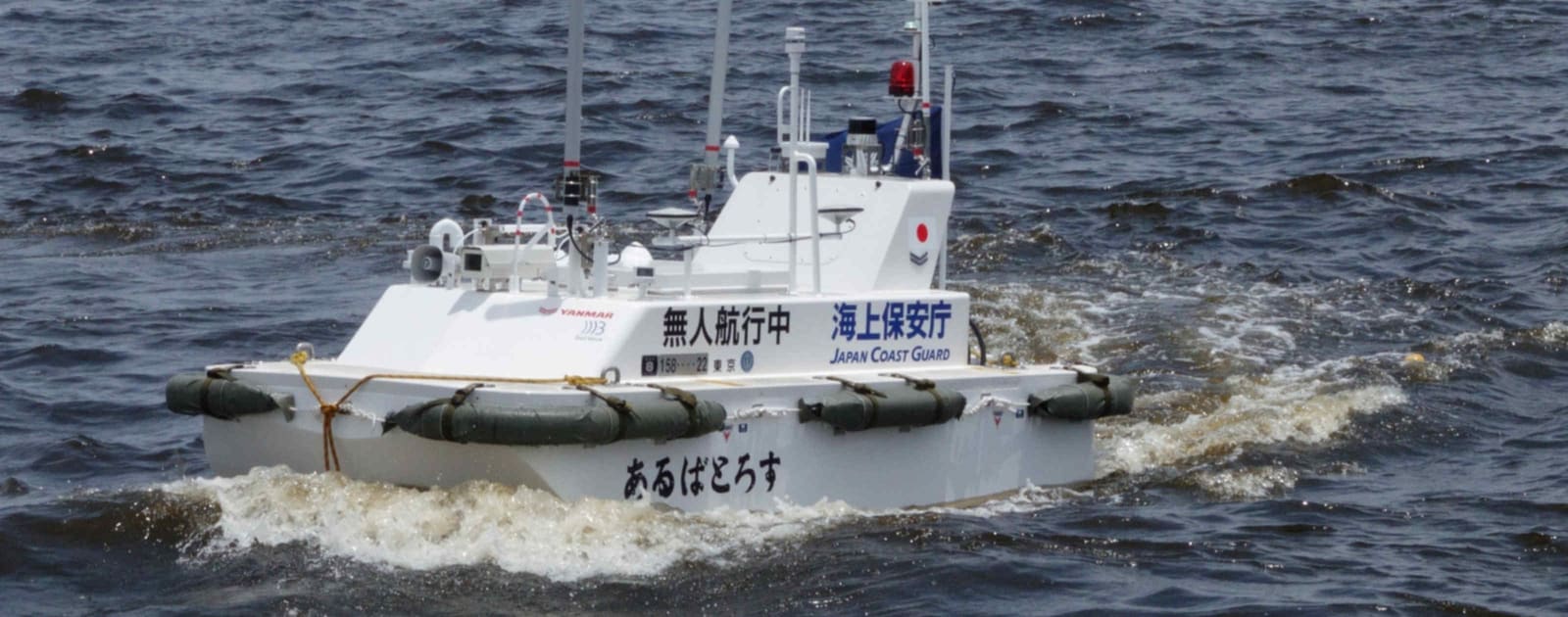
The Japan Coast Guard has begun field trials of an autonomous vessel designed to detect hazardous gases following maritime accidents, according to Yanmar Holdings. The uncrewed boat represents the country's first deployment of fully automated navigation technology for emergency chemical detection at sea, tested in waters near Yokohama.
At DailyTechWire, we've tracked the steady migration of autonomous systems from land to water across Asia, from Singapore's harbor patrol drones to South Korea's remote-controlled oil spill response craft. Japan's move into gas detection automation reflects a broader regional pattern: agencies are willing to deploy uncrewed systems where the human cost of exposure outweighs the technology's remaining gaps in judgment and adaptability.
The system addresses a longstanding operational constraint. When vessels collide or suffer hull breaches near industrial ports, volatile chemicals like liquefied natural gas, ammonia, or benzene can escape into the air. Current protocols require Coast Guard crews to approach these zones in manned boats, measure concentrations with handheld sensors, and relay readings back to command centers. The process is slow, exposes personnel to toxic or flammable atmospheres, and creates bottlenecks in incident response timelines.
How Yanmar's System Works
Yanmar's platform combines three layers of automation: navigation, sensing, and data relay. The vessel uses GPS waypoints and collision-avoidance algorithms to navigate predefined search grids without human input. Onboard sensors sample air continuously for common industrial gases, flagging concentrations above safety thresholds. Readings are transmitted in real time to shore-based operators, who can adjust the search pattern or recall the boat remotely.
The design prioritizes reliability over sophistication. The boat does not use computer vision or machine learning to interpret its environment; instead, it relies on pre-mapped routes and basic obstacle detection. This conservative architecture reduces the risk of software failures in chaotic post-accident conditions, where debris, oil slicks, and poor visibility can confuse more complex perception systems.
Yanmar has not disclosed the vessel's range, battery life, or sensor suite specifications. However, the company has indicated that the platform is intended for short-duration missions within a few kilometers of shore, not open-ocean deployments. This scope aligns with the Coast Guard's operational priorities, which center on Japan's dense network of industrial ports and shipping lanes rather than deep-sea incidents.
The Case for Automation in Maritime Safety
Japan's interest in uncrewed safety vessels is driven by demographic and operational pressures. The country's maritime workforce is aging, with the average age of Coast Guard personnel rising steadily over the past decade. Recruitment has not kept pace with retirements, creating staffing shortages that limit the agency's ability to respond to multiple incidents simultaneously.
Automation offers a way to stretch existing capacity. A single operator on shore can theoretically supervise multiple autonomous boats, each covering a different sector of a spill zone. This force multiplier effect is particularly valuable in scenarios where time-to-detection is critical, such as liquefied natural gas leaks that can ignite if concentrations reach explosive thresholds.
The technology also reduces liability exposure. When crew members suffer chemical burns, respiratory injuries, or long-term health effects from toxic exposure, agencies face compensation claims, medical costs, and morale challenges. Uncrewed systems eliminate this risk category entirely, though they introduce new ones related to equipment failure and data integrity.
Regional Context and Competing Approaches
Japan is not alone in exploring autonomous maritime safety tools. Singapore's Maritime and Port Authority has tested uncrewed surface vessels for harbor surveillance and oil spill mapping since 2023. South Korea's Ministry of Oceans and Fisheries has deployed remote-controlled boats equipped with sonar and water sampling gear to monitor coastal pollution. China's Guangdong Maritime Safety Administration has experimented with drone-equipped patrol boats that can launch aerial sensors over spill sites.
The technical approaches vary. Singapore's systems emphasize real-time video streaming and AI-assisted anomaly detection, allowing operators to identify suspicious activity or environmental changes from shore. South Korea's platforms focus on underwater sensing, using acoustic and chemical sensors to track subsurface plumes that surface boats might miss. China's hybrid model combines crewed vessels with deployable drones, preserving human decision-making while extending sensor reach.
Japan's strategy leans toward full automation for specific, high-risk tasks rather than augmenting crewed operations. This reflects a regulatory and cultural preference for clear delineation between human and machine roles, a pattern visible in the country's approach to autonomous vehicles and industrial robotics as well.
Limitations and Open Questions
The trials near Yokohama are early-stage, and several practical challenges remain unresolved. Autonomous boats struggle in high sea states, where wave action can disrupt sensor accuracy and navigation stability. The Coast Guard has not specified whether the system is rated for operation in winds above a certain threshold or in nighttime conditions with limited visibility.
Data reliability is another concern. Gas sensors require regular calibration to maintain accuracy, and exposure to saltwater, humidity, and temperature swings can degrade performance over time. If the boat's sensors drift out of calibration mid-mission, operators on shore may receive false readings without immediate awareness of the error. Yanmar has not detailed the maintenance intervals or self-diagnostic capabilities built into the platform.
There is also the question of integration with existing response protocols. The Coast Guard's incident command structure is built around crewed vessels and shore-based coordination. Adding autonomous assets requires new communication workflows, liability frameworks, and training programs. If an uncrewed boat collides with debris or another vessel during a mission, determining fault and responsibility becomes more complex than in traditional operations.
What Comes Next
Yanmar has not announced a timeline for commercial deployment or broader Coast Guard adoption. The current trials are designed to validate the system's core functions, detect failure modes, and gather operational feedback from Coast Guard personnel. If the tests prove successful, the next phase will likely involve longer-duration missions, multi-boat coordination, and integration with the agency's existing incident management software.
The broader trajectory is clear. As sensor miniaturization continues and battery energy density improves, uncrewed safety vessels will become more capable and cost-effective. The question is not whether automation will play a larger role in maritime emergency response, but how quickly agencies can adapt their operational cultures and regulatory frameworks to accommodate it.
For Japan, the stakes are both practical and symbolic. A successful deployment would position the country as a leader in maritime safety technology, a domain where it has historically lagged behind European and North American innovators. It would also demonstrate that automation can address workforce shortages without compromising safety outcomes, a case study with implications far beyond the Coast Guard's patrol zones.