Instagram Won't Filter AI Content, But Mosseri Says Users Should Curate Their Own Feeds
The Meta executive's stance reflects a broader platform bet: label AI-generated posts, then let algorithmic preferences sort the rest.
A Disclosure Strategy, Not a Ban
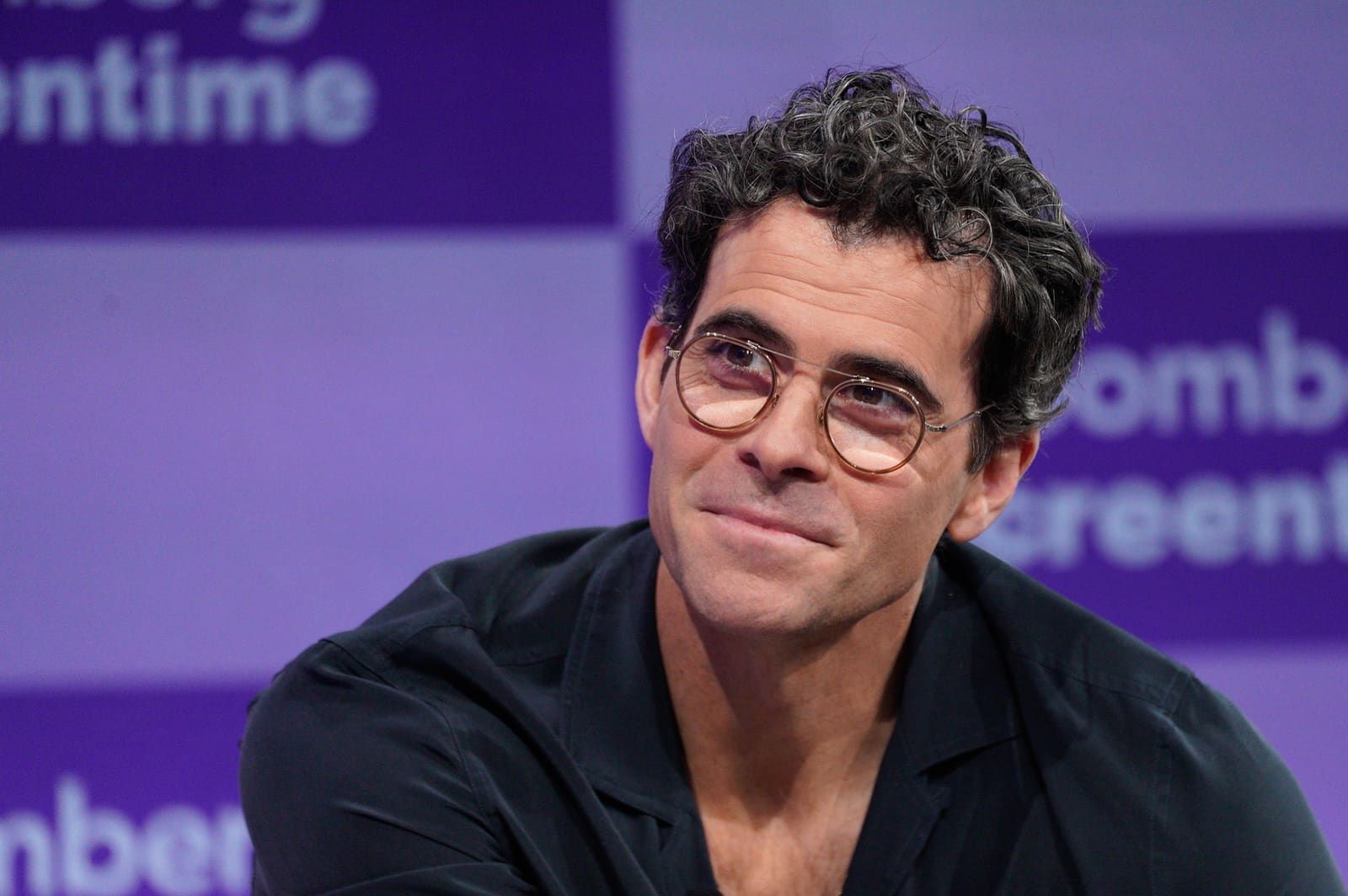
Instagram will not remove AI-generated content from its platform, but it will tell you when you're looking at it. That's the position Adam Mosseri, head of Instagram, laid out in a recent podcast conversation, framing the issue as one of transparency rather than censorship.
The distinction matters. While Mosseri acknowledged that some users find synthetic imagery unappealing or even off-putting, his solution stops short of moderation. Instead, Instagram plans to rely on labeling and algorithmic sorting to separate human-created posts from machine-generated ones. If you dislike AI content, Mosseri suggested, the feed simply shouldn't surface it for you. Conversely, users who enjoy AI-generated material should be able to immerse themselves in what he called "AI town," a feed dominated by synthetic posts.
At DailyTechWire, we've tracked similar disclosure frameworks rolling out across Meta's family of apps and competitors. TikTok, YouTube, and Facebook have all introduced or expanded AI labeling in the past year, driven by a mix of regulatory pressure in the European Union and user-experience concerns. But enforcement remains uneven. Labeling depends on creators voluntarily tagging their work or platforms detecting synthetic markers, and neither method catches everything.
The Algorithmic Middle Ground
Mosseri's comments reveal a broader strategy: instead of drawing hard editorial lines, Instagram intends to treat AI content as another signal in its recommendation engine. The platform already personalizes feeds based on engagement patterns, follower relationships, and content type. Adding AI as a variable allows Instagram to route synthetic images and videos toward users who interact with them and away from those who don't.
This approach shifts curation responsibility from Instagram's policy team to its ranking algorithms and, ultimately, to users themselves. It also sidesteps the definitional minefield of what counts as AI-generated. A photo edited with generative fill? A caption rewritten by a large language model? A wholly synthetic avatar? Instagram's labeling system will need to draw those lines, and the platform has not yet detailed how granular its disclosures will be.
The trade-off is clear. Algorithmic sorting scales in ways human moderation cannot, especially on a platform with over two billion monthly users. But it also means that users who rarely signal their preferences, or who engage inconsistently, may still encounter AI content they'd rather avoid. And for creators, the stakes are higher: an AI label could suppress reach if the algorithm interprets it as a negative signal, even when the content itself is high-quality or creatively ambitious.
Regional and Regulatory Context
Instagram's disclosure-first stance aligns with emerging regulations in Asia and Europe, but it stops short of the stricter measures some governments are considering. South Korea's AI Promotion Act, which took effect in early 2025, requires platforms to label synthetic media in commercial and political contexts. The European Union's AI Act, now in its implementation phase, mandates transparency for AI-generated content that could mislead users about authenticity.
In contrast, Instagram's plan appears to be platform-wide and content-agnostic, at least in Mosseri's framing. Whether that holds up under regulatory scrutiny, particularly in markets where AI-generated misinformation has already caused public-health or electoral disruption, remains to be seen. At DailyTechWire, we've observed that voluntary labeling often becomes mandatory once regulators step in, and Meta's track record on proactive compliance is mixed.
Asia-Pacific markets present a particular challenge. In Indonesia and the Philippines, where Instagram use is high and media literacy campaigns are still catching up, unlabeled AI content has contributed to viral misinformation. In Japan and South Korea, by contrast, users have shown a higher tolerance for synthetic media in entertainment and fashion contexts, but expect clear disclosure when content could be mistaken for documentary photography.
The Creator Economy Dimension
Mosseri's position also has implications for Instagram's creator economy. Generative AI tools, from text-to-image models to video synthesis, have lowered the barrier to producing visually polished content. Some creators use these tools to accelerate workflows or explore concepts that would be cost-prohibitive to shoot. Others generate entire feeds synthetically, building audiences without ever picking up a camera.
If Instagram labels all AI-generated posts but allows them to compete for reach, the platform risks bifurcating its creator base. Human photographers and videographers may argue that synthetic content should be surfaced differently, or monetized under separate rules. AI-native creators, meanwhile, will push for equal treatment, especially as tools improve and the line between "assisted" and "generated" blurs further.
Instagram has not yet announced how AI labeling will interact with its monetization features, including branded content tags, affiliate links, or the Creator Marketplace. If an AI-generated post performs as well as a human-shot one, should brands pay the same rate? Should platforms take the same cut? These questions are beginning to surface in creator communities across Southeast Asia and North America, and Instagram's policy choices will set precedents that other platforms will watch closely.
What This Means for Feed Integrity
Mosseri's framing, "you shouldn't have it in your feed" if you don't like AI content, places a surprising amount of faith in algorithmic filtering. But feed algorithms optimize for engagement, not user satisfaction, and the two don't always align. A user might engage with AI-generated content out of curiosity or confusion, sending a signal that they want more, even if they don't.
This dynamic is already visible in other content categories. Rage-bait and misinformation often drive high engagement, yet users report lower satisfaction with feeds that surface them. Instagram's challenge will be distinguishing between genuine interest in AI content and incidental interaction, then adjusting recommendations accordingly. The platform has not shared whether it will add explicit controls, such as a toggle to hide all AI-labeled posts, or rely entirely on implicit signals.
From a product perspective, the simplest solution would be a filter option in settings, similar to how users can already mute specific topics or keywords. But Mosseri's comments suggest Instagram is reluctant to offer that level of control, possibly because it would fragment the feed experience or reduce overall engagement. At DailyTechWire, we've seen other platforms wrestle with similar trade-offs: giving users more control often means they see less content overall, which can depress time-on-platform metrics that advertisers care about.
The Longer Arc
Instagram's approach to AI content is unlikely to remain static. As generative models improve and synthetic media becomes harder to distinguish from human-created work, disclosure and labeling will need to evolve as well. Watermarking standards, like those proposed by the Coalition for Content Provenance and Authenticity, are gaining traction, but adoption is voluntary and implementation is inconsistent.
Mosseri's position also reflects a broader industry consensus: platforms will not ban AI content outright, because doing so would alienate a fast-growing segment of creators and users. Instead, they will attempt to manage it through transparency and algorithmic sorting, hoping that user preferences and engagement data can do the work that editorial policies once did.
Whether that bet pays off will depend on how well Instagram can tune its recommendation systems, how effectively it can enforce labeling, and how much tolerance users have for synthetic content in their feeds. The answers will vary by region, by age cohort, and by content category. What works in Seoul may not work in São Paulo, and what satisfies a fashion enthusiast may frustrate a photojournalism follower.
For now, Instagram is choosing disclosure over prohibition, personalization over policy. The experiment is live, and the rest of the platform ecosystem is watching.