Apple Releases iOS 27 Public Beta with AI-Powered Siri Overhaul
The public beta marks the first time non-developers can test the redesigned assistant, signaling Apple's push to broaden AI adoption ahead of the fall release.
The Wider Testing Window Begins
Apple opened the iOS 27 public beta on Tuesday, extending access to its rebuilt Siri assistant to any iPhone owner willing to test pre-release software. Until now, only those with developer accounts could experiment with the AI-enhanced voice interface that the company has positioned as a cornerstone of its intelligence strategy.
The move follows a pattern Apple has refined over the past several cycles: release developer builds first, gather technical feedback, then expand to a broader public cohort before the fall launch window. What differs this year is the weight the company is placing on the assistant itself. At DailyTechWire, we've tracked how platform holders across Asia and North America have raced to embed large-language-model capabilities into operating systems, and Apple's decision to open Siri testing this early suggests urgency.
What the New Siri Brings
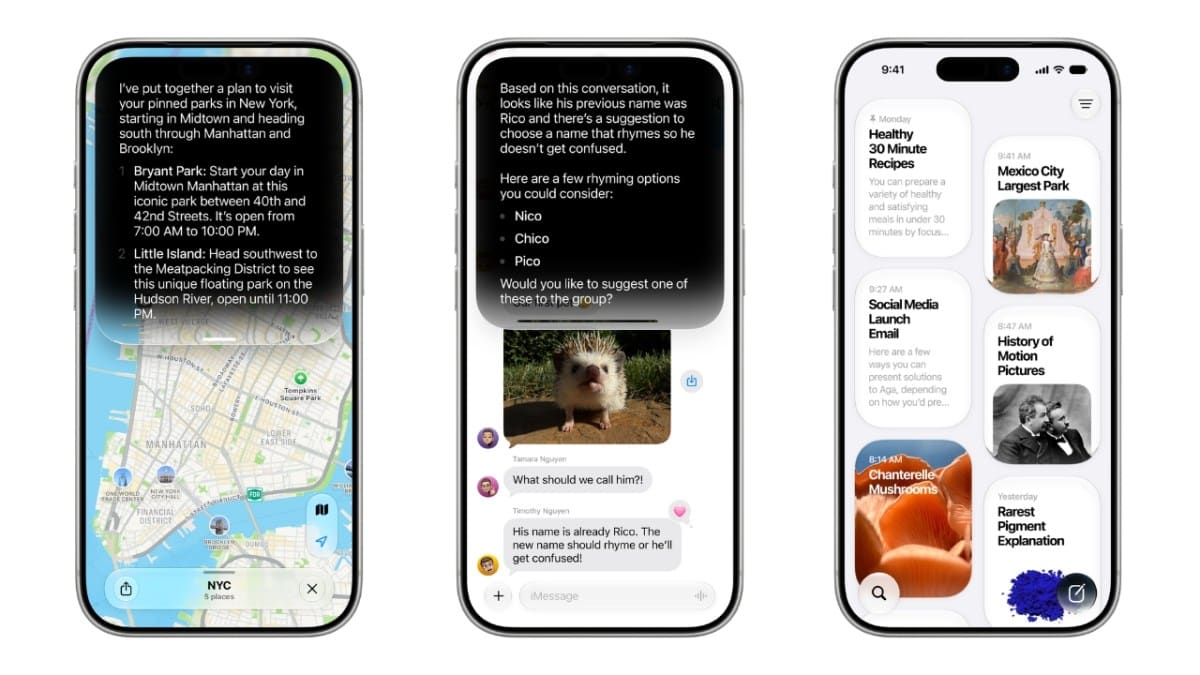
The redesigned assistant leans on generative AI to handle multi-step requests, parse context across apps, and respond in a more conversational manner. Apple has not disclosed which foundation models underpin the system, but the architecture appears to blend on-device inference for speed and privacy with cloud-based processing for complex queries.
Early developer feedback highlighted improved understanding of ambiguous phrasing and the ability to chain actions without repeated wake-word invocations. For example, a user can ask Siri to summarize unread messages, draft a reply, and schedule a follow-up reminder in a single exchange. That kind of workflow used to require separate commands or manual taps.
The public beta also bundles refinements to notification summaries, photo search, and predictive text, all areas where Apple is applying machine-learning techniques that have become table stakes in the current AI cycle.
Why Apple Is Accelerating Public Access
Opening a public beta two months before the typical September event is unusual. One explanation is competitive pressure. Samsung, Google, and a cohort of Chinese manufacturers have shipped devices with conversational assistants throughout the first half of 2026, and Apple's relative silence has drawn questions from analysts and users alike.
Another factor is data. A wider testing pool generates more real-world interaction logs, which can surface edge cases and regional language quirks that developer builds miss. Apple has historically been cautious about collecting user data, but anonymized interaction patterns remain valuable for tuning inference models and reducing latency.
There is also a strategic bet on ecosystem lock-in. The more users grow accustomed to a capable voice assistant that works across iPhone, iPad, Mac, and wearables, the harder it becomes to switch platforms. In markets like India and Southeast Asia, where Android dominates by volume, Apple is using AI features to justify its price premium and deepen engagement among existing customers.
The Risks of Early Release
Public betas carry reputational risk. If the new Siri misunderstands requests, hallucinates information, or fails to respect privacy boundaries, the backlash will be swift and visible. Apple has built its brand on polish, and releasing an AI assistant that feels unfinished could erode trust.
Battery life is another concern. On-device inference demands significant CPU and neural-engine cycles, and early testers have reported faster drain on older hardware. Apple has optimized iOS 27 for the A17 and A18 chips, but the installed base includes millions of devices running A15 and A16 silicon. Balancing performance across that range is a non-trivial engineering challenge.
Privacy remains a third area of scrutiny. Apple has emphasized that many Siri tasks run locally, but the line between on-device and cloud processing is not always transparent to users. Regulators in the European Union and parts of Asia have tightened rules around AI data handling, and any misstep could trigger investigations or fines.
The Broader Context for Platform AI
Apple's move comes as the industry grapples with the practical limits of large language models. Inference costs have fallen, but latency and accuracy still vary widely depending on task complexity and network conditions. Platform holders are experimenting with hybrid architectures - small, specialized models on-device, larger general-purpose models in the cloud - to strike a balance between speed, privacy, and capability.
In Asia, we've seen Xiaomi and Oppo integrate voice assistants that can book rides, order food, and control smart-home devices without leaving the OS. Apple's ecosystem advantage is depth of integration, but the company has been slower to open third-party APIs that would let developers hook into Siri's new capabilities. That gap could limit the assistant's utility in markets where super-apps and platform-agnostic services dominate.
What Comes Next
The public beta will run through August and into early September, giving Apple roughly eight weeks to incorporate feedback before the final release. Historically, the company ships the stable version of iOS alongside new iPhone hardware, and this year should follow the same cadence.
Developers are watching to see whether Apple expands SiriKit to expose more of the assistant's generative features. If third-party apps can tap into multi-step reasoning and contextual awareness, the platform becomes significantly more powerful. If Apple keeps those capabilities walled off, Siri risks remaining a first-party showcase rather than a true platform layer.
For users, the public beta is an invitation to shape the assistant's final form. Apple has built feedback mechanisms directly into the beta software, and the company has a track record of iterating quickly when issues surface at scale. Whether the new Siri lives up to the AI hype will depend as much on the next two months of testing as on the underlying models themselves.