Huawei and HP Strike Reciprocal Wi-Fi Patent Deal
A multiyear cross-licensing agreement grants both tech giants access to each other's wireless connectivity portfolios, with financial terms kept private
A Quiet Exchange in Wireless IP
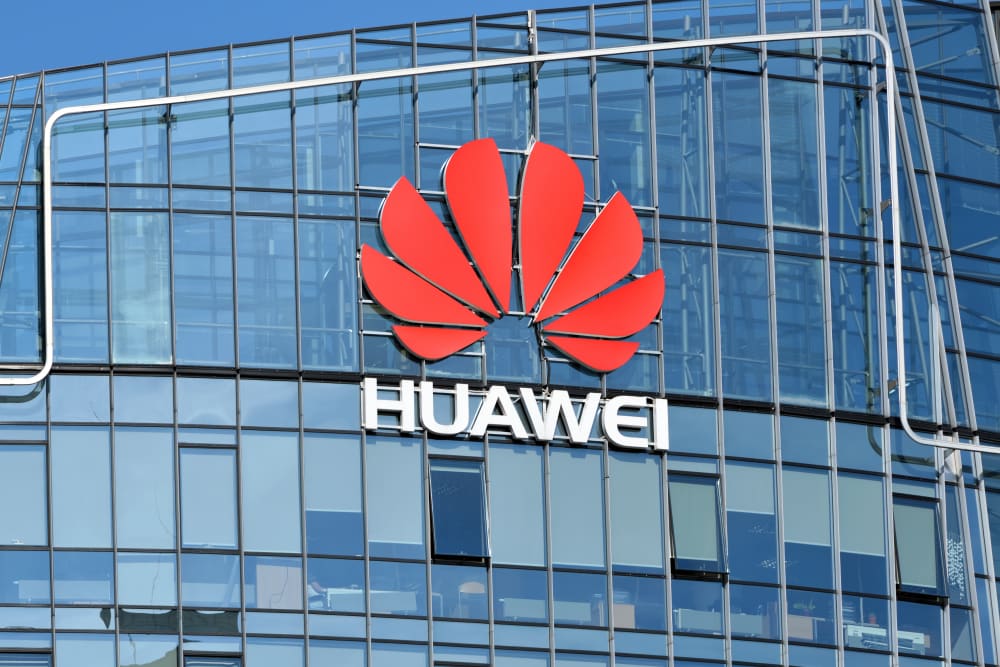
Two hardware giants have quietly resolved their intellectual property boundaries. Huawei and HP announced a multiyear global patent cross-licensing agreement that covers select Wi-Fi technologies, according to both companies. Under the arrangement, HP gains access to certain wireless connectivity patents held by Huawei, while Huawei receives reciprocal rights to HP's portfolio in the same domain.
Neither party disclosed the financial structure of the deal or identified which specific patents fall under the agreement. That opacity is standard practice in cross-licensing arrangements, where the value exchanged is often less about cash payments and more about clearing legal risk and securing design freedom.
Why Cross-Licensing Matters in Wi-Fi
Wi-Fi standards, governed by the IEEE 802.11 family of protocols, rely on thousands of patents held by dozens of companies. Any device that connects to a wireless network - laptops, printers, routers, access points - must implement these technologies, and doing so without licenses invites litigation or injunctions.
Cross-licensing allows companies to operate without constant legal friction. Instead of negotiating individual licenses or fighting in court, two patent holders agree to share access to their portfolios. The result is operational certainty: both can ship products that incorporate the other's inventions without fear of infringement claims.
For HP, which ships millions of laptops, desktops, and printers globally, securing broad Wi-Fi patent coverage is essential. For Huawei, which holds one of the world's largest telecommunications patent portfolios, cross-licensing deals generate recurring revenue and expand its own design flexibility in enterprise networking and consumer devices.
Huawei's Patent Strategy in a Fragmented Market
Huawei has spent the past decade building an intellectual property portfolio that spans 5G, Wi-Fi, video codecs, and optical networking. The company has publicly stated that it holds more than 120,000 active patents worldwide, with a significant portion covering wireless connectivity standards.
In recent years, Huawei has pivoted toward monetizing that portfolio through licensing deals, especially as U.S. export controls have restricted its access to advanced semiconductors and limited its smartphone and networking equipment sales in Western markets. Cross-licensing agreements with companies like HP allow Huawei to maintain influence in global technology ecosystems even as its hardware presence shrinks in certain regions.
At DailyTechWire, we've tracked similar deals across the Asia-Pacific region. Chinese and South Korean patent holders have increasingly turned to licensing as a revenue stream, particularly in standards-essential technologies where litigation risk is high and negotiation leverage is strong.
HP's Position in Enterprise Connectivity
HP's business depends on seamless wireless integration. The company's commercial PCs, workstations, and printers must support the latest Wi-Fi standards to remain competitive in enterprise and consumer markets. Any gap in patent coverage could expose HP to lawsuits or force it to redesign products, both of which are costly and time-consuming.
By securing a cross-licensing agreement with Huawei, HP reduces legal exposure and gains access to a portfolio that likely includes patents covering Wi-Fi 6, Wi-Fi 6E, and possibly Wi-Fi 7 technologies. These standards enable faster data rates, lower latency, and better performance in dense environments, all of which are critical for modern office and home networks.
The reciprocal nature of the deal also suggests that HP holds patents valuable enough to Huawei to warrant a mutual exchange. While HP is not primarily known as a wireless innovator, the company has developed proprietary technologies in areas like wireless printing protocols, device pairing, and network security features that may complement Huawei's own product development.
The Broader IP Landscape
This agreement reflects a broader pattern in the technology industry: as hardware margins compress and supply chains fragment, intellectual property has become a strategic asset class. Companies that once competed primarily on product performance now compete equally on patent portfolios, using licensing deals to generate revenue, reduce risk, and shape industry standards.
Cross-licensing also functions as a form of détente. Rather than engage in prolonged patent litigation, which can cost tens of millions of dollars and drag on for years, companies often choose to exchange access to their portfolios and move on. The arrangement benefits both parties: legal costs drop, product timelines stabilize, and innovation can proceed without the threat of injunctions.
For Huawei, deals like this one with HP serve a dual purpose. They provide a revenue stream independent of hardware sales, and they reinforce the company's position as a major holder of standards-essential patents. Even if Huawei's market share in certain regions declines, its intellectual property remains embedded in global technology infrastructure.
For HP, the deal is a defensive and offensive move. Defensively, it shields the company from potential infringement claims. Offensively, it ensures that HP can continue to innovate in wireless connectivity without needing to design around Huawei's patents or seek additional licenses down the road.
What Comes Next
The terms of the agreement remain private, but the structure is likely to include periodic reviews, renewal clauses, and possibly performance milestones tied to product shipments or market share. Cross-licensing deals are rarely static; they evolve as companies release new products, acquire additional patents, or enter new markets.
One open question is whether this deal will prompt similar agreements between Huawei and other major PC or networking equipment manufacturers. If HP found the arrangement valuable, competitors like Lenovo, Dell, and Cisco may pursue their own negotiations with Huawei to secure similar coverage.
Another question is how U.S. export controls and technology restrictions will affect future licensing negotiations. While patent rights are generally enforceable across borders, geopolitical tensions can complicate enforcement and valuation. Companies must navigate not only legal frameworks but also regulatory and diplomatic pressures when dealing with entities on restricted lists.
In the near term, the Huawei-HP agreement signals that despite fragmentation in hardware markets and rising geopolitical friction, intellectual property remains a domain where pragmatic negotiation still prevails. Both companies have chosen cooperation over conflict, and both stand to benefit from the legal clarity and operational freedom that cross-licensing provides.