Google Locks Camera Looks Behind Pixel 11 Hardware
The company's sensor-level photo processing debuts exclusively on its newest flagship, with no timeline for older devices.
A Different Kind of Computational Photography
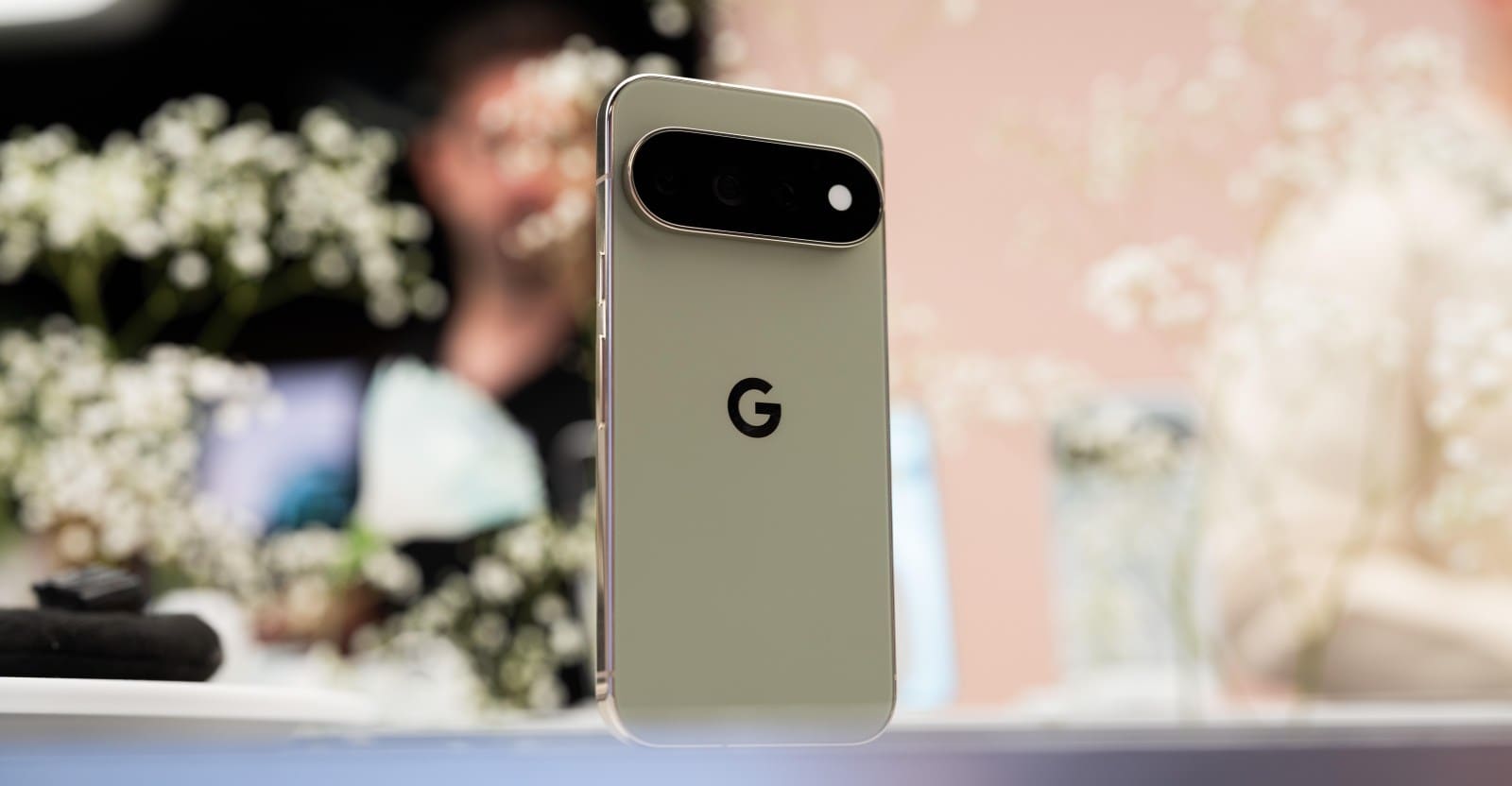
Google has introduced Camera Looks on the Pixel 11 series, marking a departure from the uniform smartphone aesthetic that has dominated mobile photography for the past decade. The feature operates at the sensor level, manipulating image data before traditional post-processing kicks in. One style, labeled "Digi," recreates the look of compact digital cameras from the mid-2000s, complete with their characteristic color science and grain structure.
At DailyTechWire, we've tracked the convergence of smartphone cameras toward increasingly similar output. Computational photography pipelines from Apple, Samsung, and Google have all trended toward high dynamic range, aggressive noise reduction, and saturated colors. Camera Looks represents an attempt to reverse that homogenization, offering photographers deliberate stylistic choices rather than a single "best" rendering.
The technical implementation is noteworthy. By intervening at the sensor level rather than applying filters to finished JPEGs, Google can preserve more information about how light was originally captured. This approach allows for more authentic emulation of older imaging technologies, which had fundamentally different sensor architectures and color filter arrays.
Hardware Exclusivity and the Upgrade Cycle
Google has confirmed that Camera Looks will not be available on devices older than the Pixel 11 lineup. A company representative stated that the newest camera capabilities are tied to the latest hardware, though the door remains open for future expansion.
The decision raises questions about whether the feature genuinely requires new silicon or represents a strategic choice to drive upgrades. Google's Tensor G6 chip, which powers the Pixel 11 series, includes updated image signal processing blocks and neural processing units. Camera Looks could theoretically leverage these improvements for real-time sensor manipulation that older Tensor generations cannot handle efficiently.
However, the Pixel 10 series, released just twelve months earlier, shares much of the same imaging pipeline and computational photography infrastructure. The phones run compatible versions of Android and have received other software-based camera features through updates. This suggests the hardware barrier may not be absolute.
The Economics of Feature Segmentation
Restricting marquee features to new devices has become standard practice across the smartphone industry. Apple's Cinematic Mode debuted exclusively on iPhone 13 models despite older devices having capable hardware. Samsung's Expert RAW app initially launched only for Galaxy S21 Ultra buyers. These decisions reflect the economic reality of saturated smartphone markets where year-over-year hardware improvements have become incremental.
For manufacturers, software differentiation serves two purposes. It creates clear marketing distinctions between generations, giving consumers tangible reasons to upgrade beyond slightly faster processors or marginally better battery life. It also protects the perceived value of flagship pricing. A $999 phone must feel meaningfully different from last year's model, now discounted to $699.
The strategy works because most consumers cannot easily distinguish between hardware limitations and artificial restrictions. When a feature is described as requiring "new imaging technology," few will investigate whether the previous generation's sensor and processor could theoretically support it with optimized code.
Regional Implications for Asia's Camera Phone Culture
Camera Looks arrives at a moment when smartphone photography has particular cultural weight in Asian markets. In Japan, compact digital cameras maintain nostalgic appeal among younger users who never owned them firsthand. The aesthetic has been popularized through social media filters and vintage camera apps, creating demand for authentic implementations.
South Korea's photography-focused smartphone segment has pushed brands to differentiate beyond megapixel counts. Samsung's collaboration with professional camera makers and Xiaomi's variable aperture systems reflect this pressure. Google's sensor-level approach offers a third path, one that prioritizes artistic control over technical specifications.
In India and Southeast Asia, where mid-range devices dominate, Google's decision to limit Camera Looks to premium hardware may limit its cultural impact. The Pixel line holds single-digit market share in these regions, and the feature's exclusivity ensures it will remain a curiosity rather than a trend-setter. If Google eventually expands Camera Looks to its A-series devices, the calculation changes.
What Sensor-Level Processing Actually Means
The distinction between sensor-level and post-processing effects is not merely semantic. Traditional smartphone photography follows a predictable path. Light hits the sensor, which converts photons to electrical signals. The image signal processor then demosaics this raw data, applies noise reduction, adjusts white balance, and produces a viewable image. Computational photography adds another layer, using machine learning to enhance details, simulate bokeh, or merge multiple exposures.
Camera Looks intervenes earlier in this chain. By adjusting how the sensor itself interprets incoming light, or by modifying the raw data before standard processing begins, the feature can create effects that are difficult or impossible to replicate with filters. Film stocks had unique color responses because their chemical layers absorbed and reflected light differently. Early digital cameras used sensors with distinct color filter patterns and bit depths. Recreating these characteristics requires access to the most fundamental image data.
This approach also preserves more flexibility. A photo shot with Digi mode retains the underlying sensor information, allowing users to adjust the intensity of the effect or switch between looks in post. A filter applied to a finished JPEG has no such latitude.
The Precedent of Exclusive Features
Google's history with camera features offers mixed signals about future availability. Night Sight, introduced with the Pixel 3 in 2018, eventually made its way to Pixel 2 devices through a software update. The company positioned this as a response to user demand and confirmation that the older hardware could support the feature with optimization.
Conversely, Magic Eraser remained exclusive to Pixel 6 and newer devices for two years before expanding to older Pixels and eventually to Google One subscribers on any Android phone. The delayed rollout suggested the feature was never truly hardware-dependent, but rather a tool for driving subscriptions and upgrades.
Camera Looks may follow either trajectory. If adoption proves strong and differentiation value fades, Google could expand availability. If the feature requires ongoing development resources and serves as an effective selling point, exclusivity may persist.
Implications for Mobile Photography's Next Chapter
The introduction of sensor-level stylistic controls signals a broader shift in how manufacturers think about smartphone cameras. The race for technical supremacy has produced diminishing returns. Most flagship phones now capture images that are indistinguishable in everyday use. Differentiation has moved from "better" to "different."
This evolution mirrors the trajectory of desktop photography software. Lightroom and Photoshop once competed primarily on features and performance. Today, preset packs and film emulation plugins represent significant revenue streams, as photographers seek distinctive looks rather than incremental improvements in sharpness or color accuracy.
For users, the trend offers both promise and frustration. More creative control is welcome, but locking that control behind hardware paywalls creates artificial scarcity. The question is whether Camera Looks represents genuine innovation that requires new silicon, or simply the next chapter in the smartphone industry's playbook for managing upgrade cycles in a maturing market.
Google's reluctance to commit to broader availability suggests the company is still evaluating both the technical feasibility and strategic value of expansion. Until then, anyone seeking that Digi aesthetic will need to invest in a Pixel 11.