Fermi Names TerraPower Veteran to Lead Texas AI Campus Push
Lee McIntire takes the helm at the nuclear-powered data center startup three months after a leadership shakeup rattled investor confidence.
Leadership Stability After Turbulence
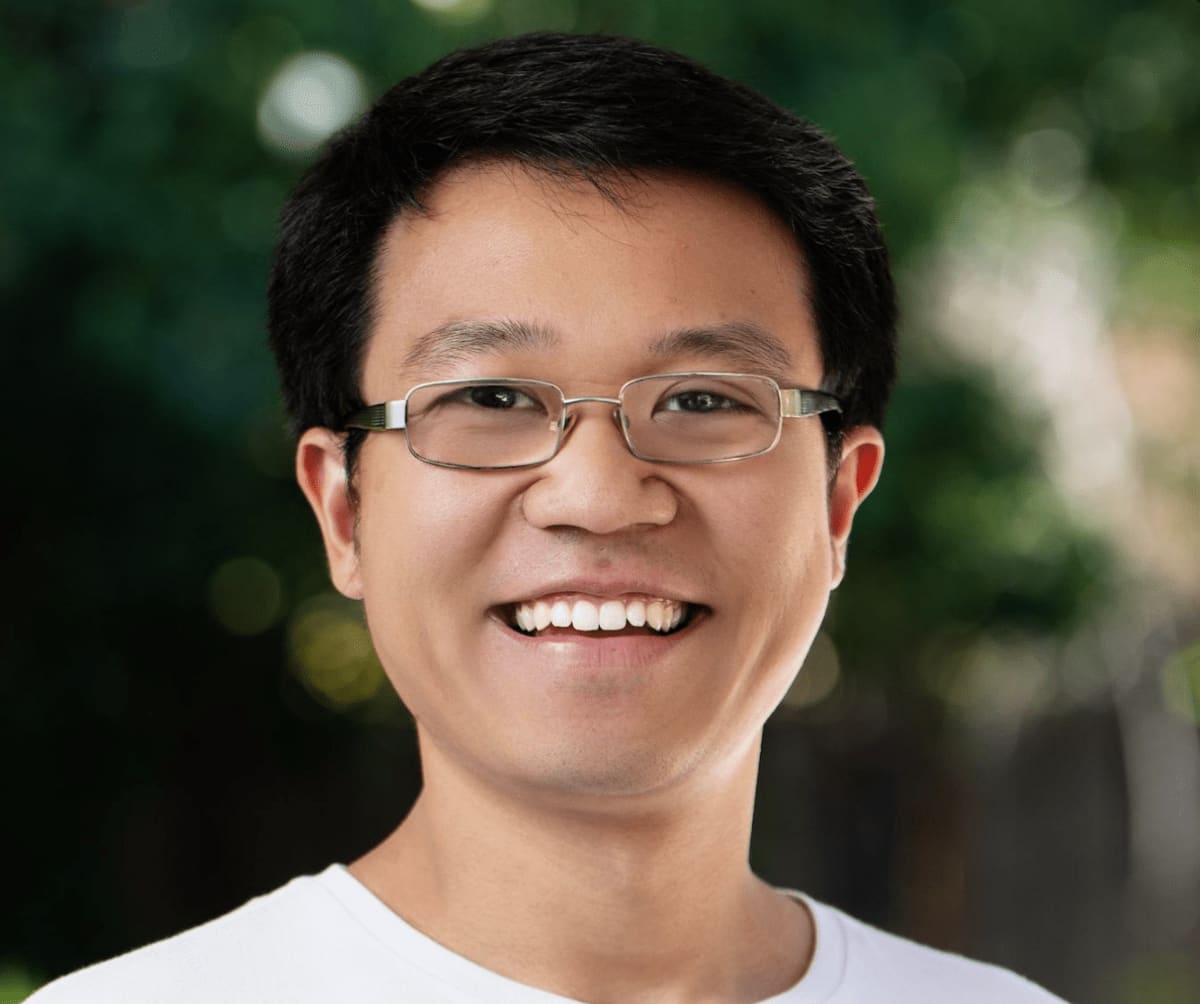
Fermi has ended its three-month CEO search by elevating Lee McIntire, a board member with decades of experience delivering large-scale energy infrastructure. The appointment comes as the nuclear-powered data center company works to rebuild momentum after ousting co-founder Toby Neugebauer and CFO Miles Everson in April, a move that sent shares tumbling and raised questions about execution risk.
McIntire brings credentials that map directly to Fermi's current phase. He previously served as chief executive at both CH2M Hill, a major engineering and construction firm, and TerraPower, the advanced nuclear reactor company backed by Bill Gates. That resume matters now because Fermi is pivoting from fundraising mode to construction mode, a transition that killed many ambitious infrastructure plays in the past decade.
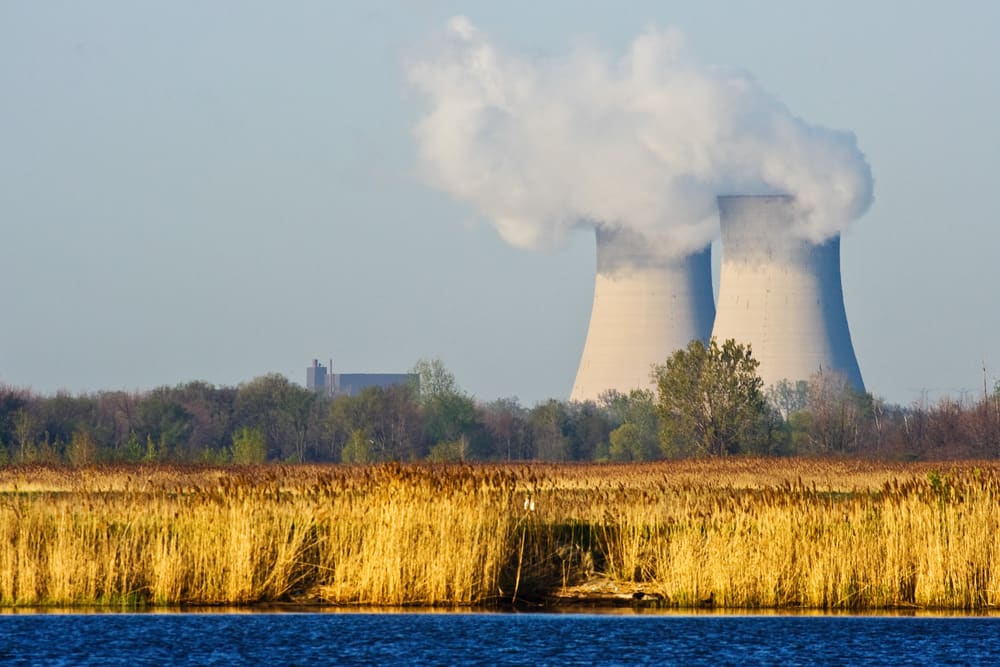
The company, co-founded by former U.S. Energy Secretary Rick Perry, is building Project Matador in Amarillo, Texas. The facility aims to pair nuclear reactors with data centers optimized for AI workloads, addressing a bottleneck that has constrained frontier model development: reliable, carbon-free baseload power at the scale compute clusters demand. At DailyTechWire, we've tracked similar nuclear-AI tie-ups from Microsoft, Amazon, and Google over the past eighteen months, but Fermi's approach differs in that it is purpose-building both the power plant and the compute campus as an integrated product.
Why the Executive Shakeup Happened
April's leadership purge was described internally as "Fermi 2.0," a rebranding effort that included relocating corporate headquarters to Dallas. The company offered little detail at the time about why Neugebauer and Everson were removed, but the messaging was clear: investors and the board wanted operational discipline over founder vision. Neugebauer had driven early fundraising and regulatory outreach, but translating permits and term sheets into steel and concrete requires a different skill set.
McIntire's appointment signals that the board views the next twelve to eighteen months as a construction and delivery problem, not a capital markets or policy problem. His forty years managing complex projects, particularly in nuclear and heavy civil engineering, are meant to reassure customers, regulators, and the Amarillo community that Fermi can execute on schedule and budget. In the nuclear space, cost overruns and schedule slippage are the norm, not the exception. Vogtle Units 3 and 4 in Georgia, the only new nuclear reactors completed in the U.S. in decades, finished years late and billions over budget.
Fermi's board chairman, Marius Haas, framed the hire as a focus on "integrity" and "delivery," code words for avoiding the execution disasters that have plagued both nuclear and data center megaprojects. Haas emphasized that McIntire already understands Fermi from his board tenure, reducing onboarding friction at a moment when construction timelines are tight.
First Customer Commitment Boosts Confidence
The CEO announcement landed alongside another piece of good news: TensorWave signed a binding lease for space at Project Matador, becoming Fermi's first confirmed customer. TensorWave operates AI inference infrastructure, and its commitment validates the thesis that AI workload operators will pay a premium for reliable, low-carbon power. The tandem announcements drove Fermi's stock up nearly 23 percent over two trading sessions, recovering some of the ground lost after April's leadership exodus.
That customer win matters beyond the immediate revenue. It proves to capital markets that Fermi can convert its pitch into contracts, a milestone that eluded several nuclear-data center concepts floated in 2024 and 2025. The AI infrastructure build-out has created fierce competition for power purchase agreements and co-location deals, especially in Texas, where grid constraints and land availability have made site selection a strategic weapon.
The Nuclear-AI Convergence Accelerates
Fermi's model sits at the intersection of two trends reshaping Asia-Pacific and North American tech infrastructure: the hunt for gigawatt-scale power for AI training and inference, and the rehabilitation of nuclear energy as a climate solution. Across Seoul, Singapore, and parts of India, data center operators are exploring small modular reactors and advanced nuclear designs because renewables alone cannot provide the 24/7 availability that large language models and multimodal training runs require.
TerraPower, where McIntire previously led operations, is developing a sodium-cooled fast reactor design intended to be cheaper and faster to build than traditional light-water reactors. While Fermi has not disclosed which reactor technology it plans to deploy at Project Matador, McIntire's TerraPower background suggests the company may pursue advanced reactor designs rather than legacy pressurized water systems. That choice carries both upside and risk: advanced reactors promise lower capital costs and improved safety, but they lack the operational track record that utilities and regulators prefer.
The regulatory path remains one of Fermi's biggest uncertainties. The U.S. Nuclear Regulatory Commission has approved only a handful of new reactor designs in the past two decades, and combining nuclear licensing with data center permitting creates jurisdictional complexity. Texas has been friendlier to energy experimentation than many states, but local opposition to nuclear facilities can still derail projects, especially in communities unfamiliar with reactor technology.
What Execution Risk Looks Like
McIntire inherits a company at an inflection point. Fermi has capital, a site, and now a paying customer. But building a nuclear-powered data center on time and on budget would be a first in the United States. The nuclear industry's recent history is littered with projects that collapsed under cost overruns, regulatory delays, and supply chain failures. The data center industry, meanwhile, has seen its own share of construction blowouts, particularly for facilities requiring custom cooling, power distribution, and network infrastructure.
The engineering challenges are non-trivial. Nuclear plants generate heat that must be managed independently of data center cooling systems, and integrating the two without compromising safety or uptime requires careful design. Power distribution from reactor to rack must account for load variability as AI workloads spike and trough, a dynamic that traditional nuclear plants were not designed to handle. Fermi will also need to secure uranium fuel supply, manage spent fuel storage, and build relationships with emergency response agencies in Amarillo, none of which are typical concerns for a data center operator.
Labor is another constraint. The U.S. nuclear workforce has been shrinking for decades, and the simultaneous ramp-up of multiple advanced reactor projects is creating bidding wars for engineers, health physicists, and licensed operators. Data center construction, meanwhile, is straining electrical and mechanical contractors across Texas as hyperscalers race to build capacity. Fermi will compete for scarce talent on both fronts.
A Test Case for the Industry
If Fermi delivers Project Matador on time and demonstrates reliable operations, it will validate a model that dozens of other companies are now attempting. Microsoft has committed to reviving Three Mile Island's Unit 1 to power Azure data centers. Amazon is exploring small modular reactors for AWS regions. Google has signed power purchase agreements with nuclear startups. But none of these projects have yet moved from announcement to operation.
McIntire's tenure will be judged on whether Fermi can cross that chasm. His background suggests the company is betting on disciplined project management and regulatory navigation rather than visionary storytelling. For investors who watched the stock slide after April's upheaval, that shift in tone may be exactly what they wanted. For the broader industry, Fermi's progress over the next year will signal whether nuclear-powered AI infrastructure is a viable category or another overhyped dead end.