FCC Moves to Retroactively Ban Consumer Drones It Once Cleared
The proposed rule would pull LiDAR-equipped models from shelves while leaving existing owners in regulatory limbo over parts and updates
A Reversal in Regulatory Posture
The Federal Communications Commission is proposing to prohibit the sale of consumer drones equipped with LiDAR sensing, thermal imaging, and aerosol dispensing capabilities, including models the agency already authorized for the American market. A public notice issued in July 2026 seeks industry comment on extending existing restrictions to "categories of drones viewed by the US government as having military capability or posing particular national security risks."
The proposal marks a significant shift in how Washington treats dual-use hardware. At DailyTechWire, we've tracked the expansion of export controls and entity-list designations across semiconductors, networking gear, and now robotics. What makes this FCC move unusual is the retroactive reach: products that passed certification and entered distribution channels months ago could be barred from further sale, even as existing units remain in the field.
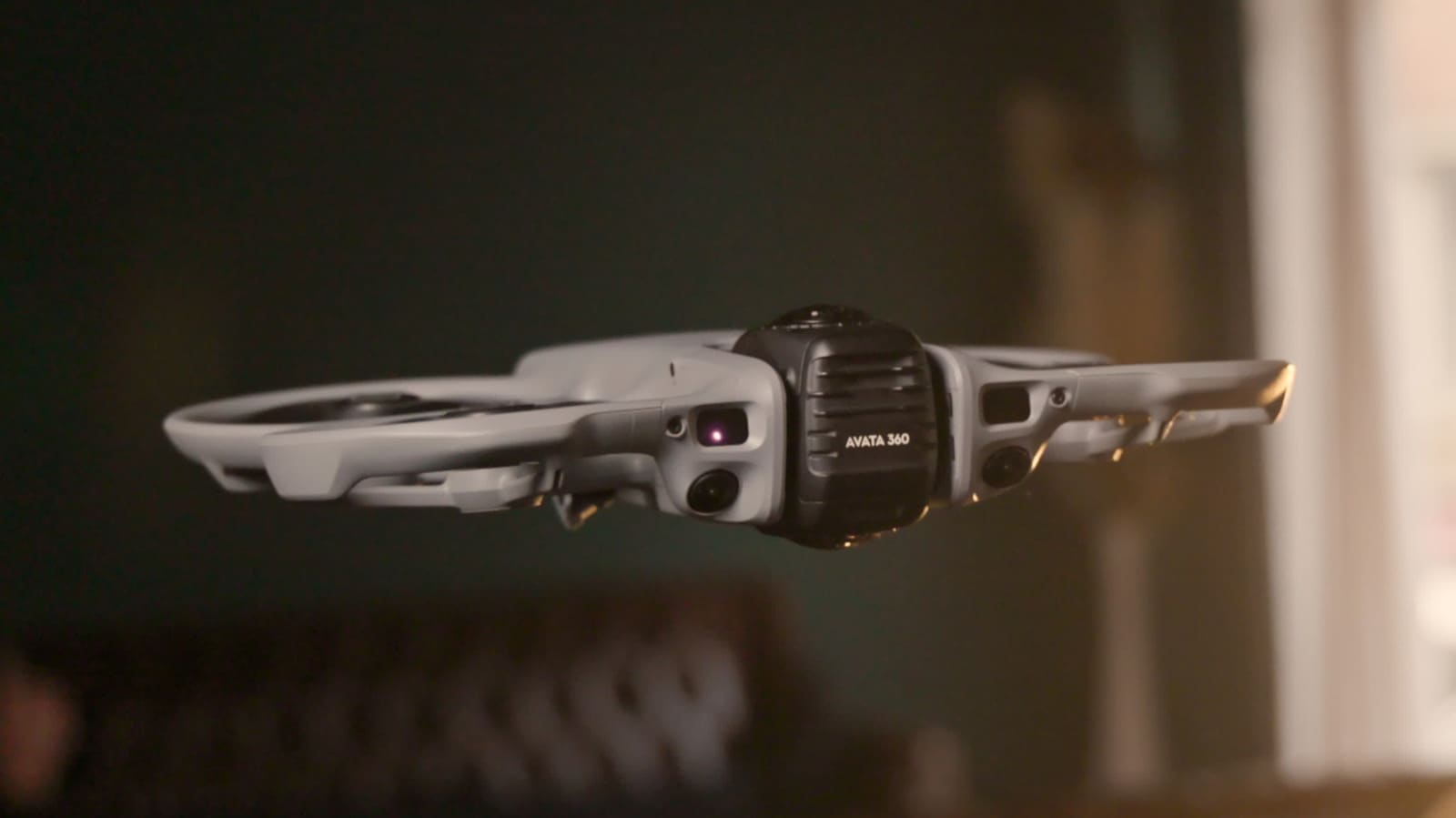
The Chinese manufacturer whose consumer line dominates North American sales released a statement condemning the proposal as a "total reversal." Models affected include the Air 3S, Avata 360, and Mini 5 Pro, all of which integrate LiDAR for obstacle avoidance and autonomous flight, a feature that has become table stakes in the prosumer segment. Commercial platforms used in agriculture and emergency response would also fall under the expanded prohibition.
The Policy Timeline
In December 2025, the FCC added foreign-manufactured drones and their critical components to the Covered List, a catalog of communications equipment deemed to present unacceptable national security risk. That initial action applied only to future authorizations; devices already certified retained their market access.
One month later, the agency broadened the restriction to cover suspected rebrand operations, targeting distributors believed to be reselling restricted hardware under alternate labels. The July notice extends the logic further, proposing categorical bans tied to hardware capability rather than entity or origin alone.
The proposed categories are sweeping. Beyond LiDAR and thermal sensors, the FCC is examining restrictions on drones that integrate "defense articles," use docking stations for autonomous recharging, or support swarming coordination. The latter two capabilities are increasingly common in enterprise deployments, from warehouse inventory systems to infrastructure inspection fleets.
What Happens to Existing Hardware
The FCC has emphasized that units already purchased will not be confiscated or rendered illegal to operate. But the practical implications for owners are less clear. Spare parts, particularly proprietary sensors and flight controllers, flow through the same supply chains the ban would sever. Software updates, which in modern drones govern everything from obstacle detection to battery management, could be curtailed if manufacturers face liability or compliance uncertainty.
This creates a regulatory gray zone. A drone legal to fly today may become difficult to maintain, and features dependent on cloud connectivity or over-the-air updates could degrade over time. For commercial operators who have built workflows around specific platforms, the risk is not immediate grounding but slow obsolescence without a clear migration path.
The FCC's comment period closes September 2, 2026. Industry groups representing agriculture, surveying, and public safety have begun coordinating responses, arguing that blanket capability bans will strand operators who have no ready domestic alternative for LiDAR-equipped platforms under 250 grams or thermal imaging drones priced below $2,000.
The Dual-Use Dilemma
LiDAR and thermal imaging are textbook dual-use technologies. The same time-of-flight sensor that lets a hobbyist fly safely in low light can also map terrain for reconnaissance. Aerosol dispensers designed to distribute pesticide over rice paddies can, in theory, deliver other payloads. The FCC's challenge is drawing a line that mitigates security concerns without collapsing entire product categories.
Other jurisdictions have taken different approaches. The European Union Aviation Safety Agency regulates drones by weight class and operational scenario, not by onboard sensor suite. Australia requires registration and remote identification but does not categorically restrict LiDAR or thermal capability in consumer hardware. The US model, which layers entity-list controls, FCC equipment authorization, and now retroactive capability bans, is emerging as the most fragmented.
For manufacturers, the uncertainty is compounded by the lack of a clear carve-out process. If a US-based integrator sources a LiDAR module from a non-Covered List supplier and assembles it into a drone platform designed domestically, does that configuration escape the ban? The July notice does not specify, and past FCC guidance on "substantial transformation" has been inconsistent.
Implications for the Supply Chain
The proposed rule arrives as North American drone production remains concentrated in a handful of suppliers. Domestic manufacturing has grown, particularly in defense and public-safety segments, but the consumer and small-commercial markets still rely heavily on Asian supply chains for sensors, gimbals, and flight controllers.
At DailyTechWire, we've covered venture-backed efforts to build US-based drone hardware stacks, from Skydio's autonomy platform to newer entrants targeting agriculture and logistics. None have yet matched the price-performance of incumbent platforms in the sub-$1,500 segment. A ban that removes LiDAR-equipped models from retail channels could accelerate adoption of domestic alternatives, but only if those alternatives exist at comparable cost and capability.
The commercial impact extends upstream. Component suppliers who sell LiDAR modules, thermal sensors, and swarming radios into the drone market face demand uncertainty. If the FCC ultimately prohibits integration of these technologies in consumer platforms, module vendors may redirect R&D toward automotive, industrial, or defense applications where regulatory risk is lower.
The September 2 Deadline
The comment period will test whether the FCC's framework can accommodate the operational realities of industries that have standardized on the very capabilities now under review. Agricultural cooperatives, for instance, have invested in fleets of spray-equipped drones that rely on LiDAR terrain mapping to maintain legal application rates. Fire departments in the Western US use thermal imaging drones for hotspot detection in wildfire perimeters. Both use cases involve hardware that would be swept into the ban.
The question is whether the FCC will craft exemptions, grandfather existing certifications, or proceed with a categorical prohibition that leaves deployment decisions to other agencies. The July notice invites comment on all three paths, but offers little signal as to which the commission favors.
For now, the regulatory ground beneath consumer and commercial drone hardware remains unsettled. Buyers face a choice between acquiring platforms that may lose vendor support and waiting for domestic alternatives that have yet to reach feature parity. Manufacturers must decide whether to invest in redesigned products that strip out restricted capabilities or to exit segments where compliance costs exceed margin. And policymakers must reconcile the dual-use nature of sensing technologies with the political demand for supply-chain security, a tension that will shape robotics regulation well beyond drones.