European Steam Hardware Customers Face Data Exposure After Logistics Partner Breach
A four-day security incident at CEVA Logistics compromised delivery data for Valve's newest hardware orders, exposing the fragility of third-party supply chains in consumer tech.
The Incident Window
Between July 29th and August 1st, CEVA Logistics experienced a security breach that left European customers who ordered Steam hardware vulnerable to data exposure. Valve disclosed the incident through direct email notifications, confirming that personal information including names, physical addresses, phone numbers, and email addresses was likely accessed during the four-day window.
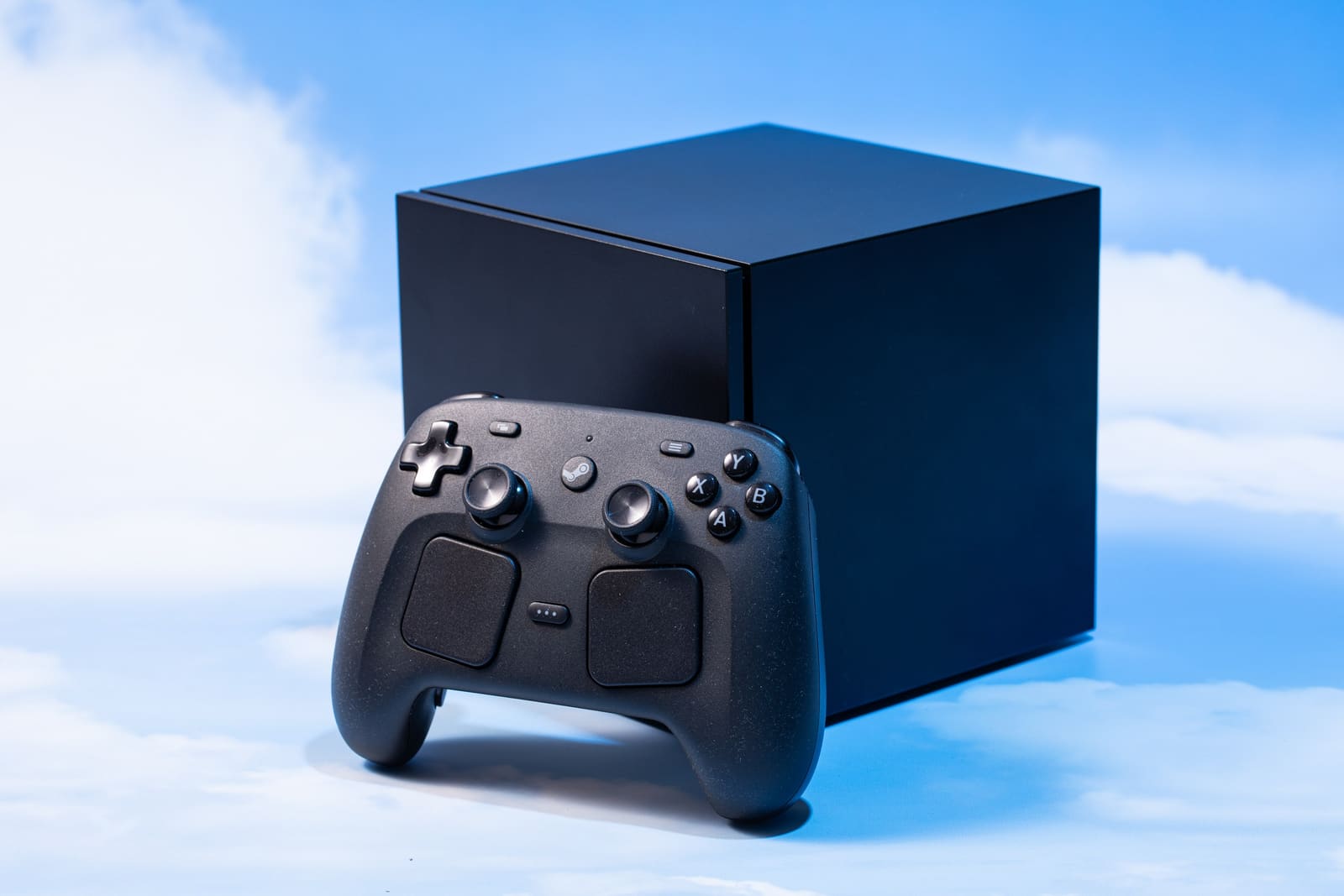
The timing proved particularly unfortunate. Valve had only recently opened reservations for its new Steam Machine and Steam Controller, making the affected cohort a fresh wave of early adopters. For a company that built its reputation on PC gaming infrastructure, the breach underscores a reality that even platform holders cannot fully insulate: the supply chain introduces vectors that sit outside their direct security perimeter.
The 90-Day Retention Window
CEVA Logistics stores delivery-related information for up to 90 days following order fulfillment, according to Valve. That retention window means the exposure was not confined to orders placed during the breach itself. Any European customer whose hardware was shipped within the three months preceding August 1st fell within the potential exposure zone.
At DailyTechWire, we've tracked how third-party logistics providers have become critical bottlenecks in hardware rollouts across Asia and Europe. The 90-day retention standard is common for dispute resolution and returns processing, but it also creates a concentrated risk surface. When a partner like CEVA handles fulfillment for multiple brands, a single intrusion can cascade across customer bases that share no other connection.
The breach did not affect payment information or Steam account credentials, but the exposed data is sufficient for phishing campaigns, SIM-swap attacks, or targeted social engineering. For customers who provided phone numbers during checkout, the risk extends beyond email spam into SMS-based threats and voice phishing.
Supply Chain as Attack Surface
Valve's direct acknowledgment of the breach stands in contrast to the delayed or opaque disclosures that have characterized other hardware incidents in recent years. The company moved quickly to notify affected users, but the episode reveals a structural challenge: hardware companies that excel at software security often inherit logistics partners with less mature postures.
CEVA Logistics operates a global network spanning automotive, aerospace, and consumer electronics. The scale of its operations means a breach at one regional node can touch thousands of customers across multiple verticals. For hardware makers, the calculus involves balancing speed to market, cost efficiency, and the security rigor of partners who may not share the same threat model.
European data protection rules require prompt disclosure when personal data is compromised, and Valve's notification aligns with GDPR timelines. The company advised customers to remain vigilant for unsolicited communications and to verify the legitimacy of any follow-up requests. It did not specify whether CEVA has identified the breach vector or whether forensic investigation is ongoing.
Hardware Launches and Exposure Risk
The overlap between the breach window and the Steam Machine reservation period means some of Valve's most engaged customers are now navigating the aftermath. Early adopters who placed orders immediately after the announcement represent a high-value target for attackers: they have demonstrated purchasing intent, possess disposable income for gaming hardware, and are likely active on Steam with established libraries and payment methods on file.
This demographic also tends to be more technically literate, which may mitigate some phishing risk, but it also means attackers can craft more sophisticated lures. A phishing email referencing a Steam Machine shipment delay or a request to confirm delivery details could bypass the usual red flags.
The incident arrives as Valve expands its hardware ambitions beyond the Steam Deck. The new Steam Machine represents a return to the living-room gaming concept Valve pursued a decade ago, and the Controller refresh signals continued investment in input peripherals. Both products require manufacturing partnerships in Asia and logistics coordination across regions with varying regulatory and security standards.
Implications for Platform-Hardware Integration
Valve's model differs from vertically integrated hardware companies like Apple or Samsung, which control more of the supply chain and can impose security requirements on partners. Steam operates as a platform that spans multiple OEMs, and its own hardware efforts rely on third-party manufacturing and fulfillment. That distributed model offers flexibility and scale, but it also multiplies the points where customer data must be entrusted to external entities.
The breach at CEVA will likely prompt Valve to reassess partner security audits and data-handling protocols. For logistics providers, the incident is a reminder that consumer electronics clients increasingly expect the same rigor applied to payment data to extend to delivery information. As hardware margins compress and competition intensifies, security posture is becoming a differentiator in RFP processes.
European customers affected by the breach have limited recourse beyond vigilance. Valve has not announced compensation or credit monitoring services, and the scope of harm remains speculative until evidence of misuse emerges. The incident may accelerate adoption of privacy-preserving delivery options, such as pickup lockers or pseudonymous addressing schemes, but those solutions introduce friction that conflicts with the seamless experience hardware buyers expect.
What This Means for Regional Expansion
Valve's push into European markets with dedicated hardware requires navigating a patchwork of logistics partners, each with different security maturity levels. The CEVA breach will not derail Steam Machine sales, but it adds a layer of reputational risk at a moment when Valve is asking customers to trust it with both their gaming libraries and their physical addresses.
For the broader hardware ecosystem, the lesson is that supply chain security cannot be an afterthought. As companies race to fulfill orders and meet launch deadlines, the partners who pack boxes and print labels hold data that, if exposed, can undermine the brand equity built over years. The next generation of hardware rollouts will need to treat logistics security with the same rigor applied to payment processing and account authentication.