China's SMIC Eyes Capacity Push as AI Chip Demand Outpaces Internal Forecasts
The mainland's largest foundry is evaluating equipment additions after mature-node chip orders for AI infrastructure surged beyond early-year projections.
A Capacity Question Born of Unexpected Demand
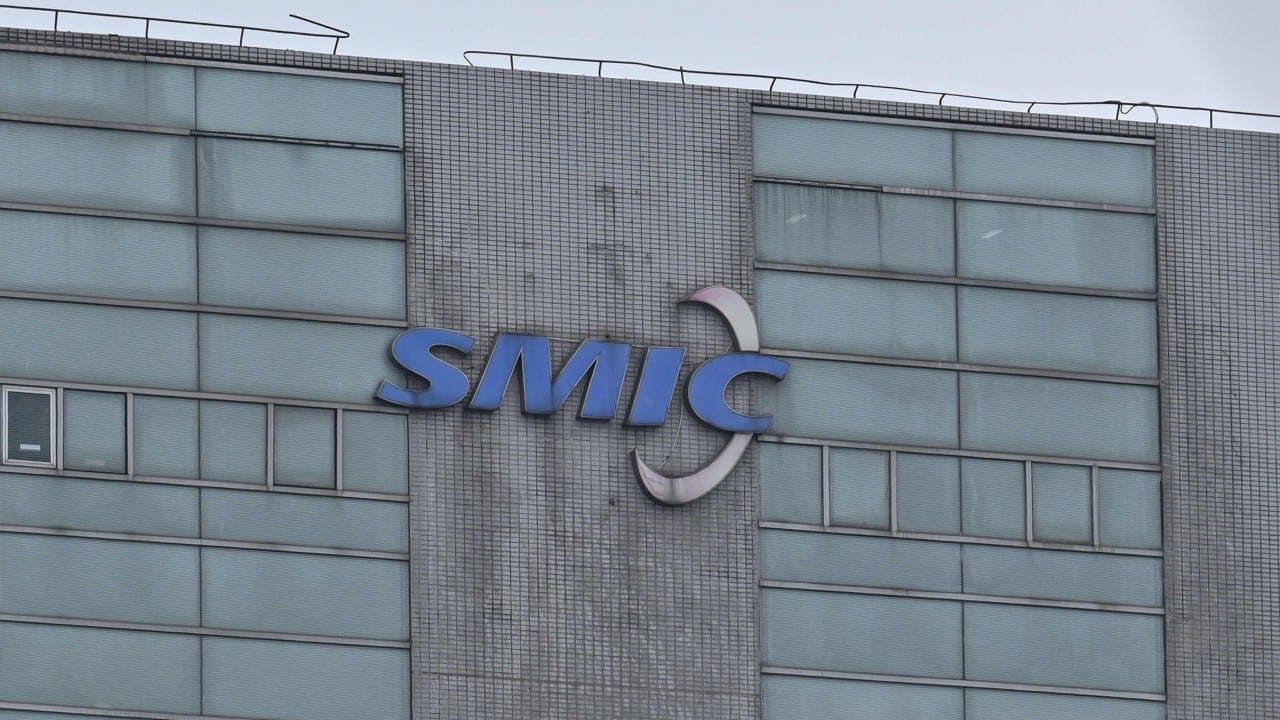
Semiconductor Manufacturing International Corporation now faces a challenge many foundries would envy: how quickly it can install new equipment to meet customer orders that have climbed well past its internal demand models. The Shanghai-based chipmaker disclosed this week that AI-related chip orders have surged beyond forecasts set earlier in the year, prompting management to evaluate capacity additions across its fabrication facilities.
The pressure reflects a broader tightness in the supply of so-called mature-node semiconductors, the workhorse chips built on older process technologies that sit alongside cutting-edge AI processors in data centers and edge systems. At DailyTechWire, we've tracked similar capacity constraints at foundries in Taiwan and South Korea over the past six months, but SMIC's disclosure offers a window into how China's semiconductor ecosystem is navigating the same infrastructure boom under a distinct set of constraints.
The Mature-Node Bottleneck
While much of the AI hardware narrative centers on advanced logic chips built at 7-nanometer nodes and below, the systems that house those processors depend on a sprawling bill of materials: power management ICs, display drivers, microcontrollers, analog mixed-signal devices. These components typically use 28nm, 40nm, or even larger geometries, processes that have been in mass production for over a decade but now face unprecedented utilization rates.
SMIC's management pointed to this segment as the source of unexpected order growth. The company operates multiple fabs capable of producing chips at these nodes, and the existing toolset is running near full capacity. Adding equipment is not a trivial exercise: lead times for lithography steppers, etch tools, and deposition systems can stretch six to nine months, and export controls imposed by the United States and the Netherlands have restricted SMIC's access to certain advanced manufacturing tools.
The calculus for SMIC is therefore more complex than for peers operating without such restrictions. Equipment purchases must be vetted against export-control lists, alternative suppliers must be qualified, and in some cases, domestic toolmakers are being brought into the production flow for the first time. The company has not disclosed a timeline or capital expenditure figure for potential capacity additions, but industry observers expect any meaningful expansion to extend into late 2027 before new tools reach volume production.
Infrastructure Boom and Its Ripple Effects
The AI infrastructure wave has proven broader and more persistent than many forecasters anticipated at the start of the year. Hyperscale cloud providers, telecommunications carriers, and enterprise data centers are all racing to deploy inference and training clusters, and each rack of servers requires not only GPUs or custom accelerators but also a constellation of supporting silicon.
This has created what some supply-chain analysts describe as a "long tail" demand shock: hundreds of part numbers, each individually modest in volume, collectively straining foundry capacity. SMIC's position in this market is shaped by its customer base, which skews toward Chinese fabless chip designers and system integrators building out domestic AI infrastructure. These customers have limited alternatives for mature-node production within China, and geopolitical considerations make cross-strait foundry relationships more complicated than in prior cycles.
The result is a feedback loop. As domestic AI projects accelerate, driven by both commercial ambition and policy support, the demand for locally produced components intensifies. SMIC benefits from this dynamic, but it also inherits the challenge of scaling capacity without the full toolkit available to foundries in other regions.
The Capital Allocation Puzzle
Capacity expansion in the semiconductor industry is a high-stakes bet. Tools are expensive, depreciation schedules are long, and demand cycles can reverse with little warning. SMIC's management must weigh current order strength against the possibility that AI infrastructure spending could plateau or that export restrictions could tighten further, limiting access to spare parts or process support.
The company's recent financial performance has given it some room to maneuver. Revenue growth has been steady, driven in part by the same mature-node products now under strain. But capital intensity in the foundry business is unforgiving, and every dollar committed to capacity is a dollar that cannot be deployed elsewhere, whether in research and development, advanced-node pathfinding, or shareholder returns.
One factor working in SMIC's favor is the geographic clustering of its customer base. Proximity to fabless designers in Shenzhen, Shanghai, and Beijing shortens feedback loops and allows for tighter collaboration on process development. This advantage becomes more pronounced when customers are designing chips for applications where time-to-market is critical, as is often the case in the fast-moving AI hardware space.
What This Signals for the Region
SMIC's capacity deliberations are a microcosm of a larger realignment in Asia's semiconductor landscape. Foundries across the region are grappling with demand that has shifted in composition, if not always in aggregate volume. The mix of products has tilted toward AI-adjacent components, and the lead times for these parts have stretched, creating bottlenecks that system integrators are only now beginning to surface publicly.
For policymakers in Beijing, SMIC's expansion plans carry strategic weight. The company is a cornerstone of China's semiconductor self-sufficiency ambitions, and its ability to scale production of mature-node chips has implications for everything from consumer electronics to defense systems. Any capacity addition will be scrutinized not only for its commercial returns but also for its contribution to reducing reliance on foreign foundries.
At the same time, SMIC's equipment procurement decisions will test the maturity of China's domestic semiconductor toolmaking industry. Companies such as AMEC and Naura have made progress in etch and deposition, but lithography remains a stubborn gap. If SMIC's expansion requires tools that cannot be sourced domestically or imported under current export controls, the timeline for new capacity could slip, or the company may need to optimize existing lines more aggressively than planned.
The Road Ahead
The next six months will clarify whether SMIC's order strength is a durable shift or a transient spike. The company's management has been careful not to overpromise, acknowledging that demand visibility remains limited and that macroeconomic headwinds could temper customer spending. But the fact that capacity expansion is under active consideration suggests a level of confidence that current utilization rates will persist.
For the broader AI supply chain, SMIC's moves will be a datapoint in a larger story about where bottlenecks emerge and how quickly they can be resolved. Mature-node capacity is not as glamorous as bleeding-edge logic, but it is just as essential to the infrastructure buildout now underway. If foundries cannot keep pace with demand for these components, the deployment of AI systems will slow, regardless of how many advanced GPUs are available.
SMIC's challenge, in other words, is a bellwether. How the company navigates equipment procurement, export controls, and customer expectations will offer clues about the resilience and adaptability of China's semiconductor ecosystem in an era when technology and geopolitics are inseparable.