California Teamsters Challenge State's Autonomous Truck Framework in Court
A new lawsuit argues the DMV bypassed economic review and public scrutiny when clearing the path for heavy autonomous vehicles, putting 400,000 driving jobs on the line.
Legal Challenge Targets April Regulatory Shift
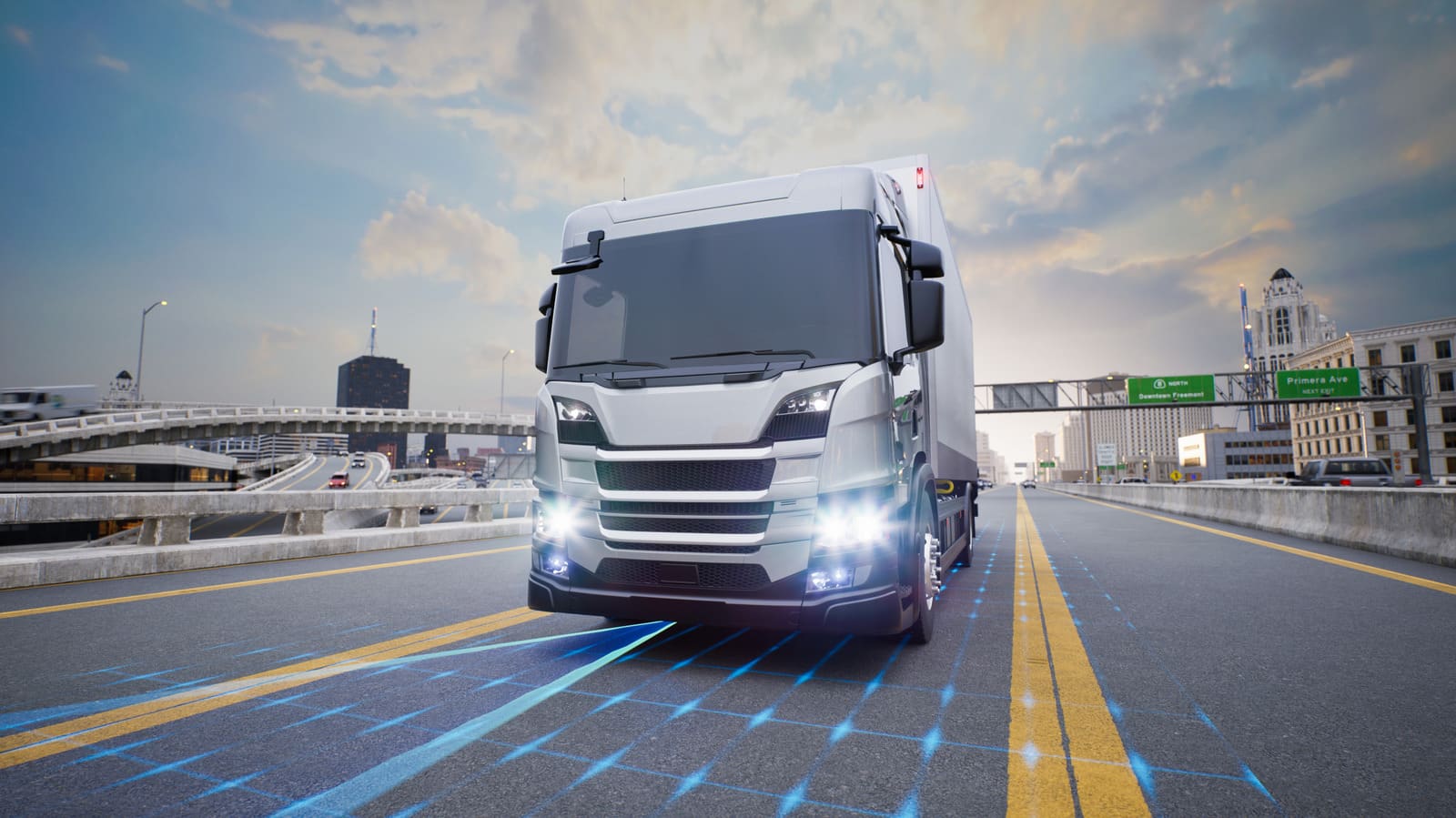
California's Teamsters union has filed suit against multiple state agencies, including the Department of Motor Vehicles, contending that new autonomous truck regulations were enacted without proper economic assessment or public input. The lawsuit centers on a framework adopted this past April that reversed a longstanding prohibition on large self-driving vehicles and established testing protocols for both light-duty and heavy-duty autonomous trucks.
At DailyTechWire, we've tracked regulatory friction between labor organizations and AV proponents across Asia and North America for the past two years. California's move in April marked one of the sharpest policy pivots in any major freight corridor, and the Teamsters' legal response underscores how quickly deployment timelines can collide with workforce concerns.
The union argues the DMV used an abbreviated rulemaking process, skipping a mandated economic impact study that would have quantified job displacement and related costs. Attorney Julie Gutman Dickinson, representing the Teamsters, stated that the agency "irresponsibly, carelessly, and unlawfully kept the public in the dark about the true economic and human costs" of the amended regulations. The suit asks the court to block enforcement and declare the rules improperly implemented.
Job Displacement Estimates and Market Trajectory
The lawsuit projects that more than 200,000 employed semi-truck drivers in California face eventual job loss under the new framework, with a similar number of self-employed operators also at risk. That total of roughly 400,000 positions represents a significant share of the state's logistics workforce; California leads the United States in employed truck drivers, making it a critical battleground for AV freight deployment.
On the industry side, projections place the U.S. autonomous trucking market at $18 billion by 2030. The Teamsters' filing asserts that the sector views California as a "jewel" necessary to reach that valuation, given the state's port infrastructure, freight volume, and existing AV testing ecosystem. The tension is straightforward: the same attributes that make California attractive for AV pilots also concentrate a large number of driving jobs in a single jurisdiction.
The economic study the union claims was omitted would have been the mechanism to weigh those competing interests. Without it, the lawsuit contends, regulators advanced a framework that privileges technology deployment over workforce transition planning.
Executive Support and the Newsom Administration's Stance
Governor Gavin Newsom has twice vetoed labor-backed legislation that sought to impose limits on autonomous technology in heavy trucks and delivery vehicles. That pattern of executive action has positioned his administration as broadly supportive of the AV industry, even as unions push for guardrails. The DMV, the Department of Finance, and the governor's office have all declined to comment on the pending litigation.
The regulatory environment in California reflects a broader debate playing out in freight-heavy regions worldwide. South Korea's Ministry of Land, Infrastructure and Transport, for example, has taken a phased approach that mandates human safety operators in all commercial autonomous trucks through 2027, while China's provincial governments have allowed Shenzhen and parts of Hebei to proceed with fully driverless freight pilots on designated corridors. California's April rules fall somewhere in between, permitting testing of heavy autonomous vehicles without an outright deployment timeline but also without the transition safeguards labor groups have sought.
Political Timing and the 2027 Transition
Organized labor in California is looking toward the next gubernatorial term. Democrat Xavier Becerra, widely seen as the likely successor to Newsom, posted on social media in March that "trucks still need drivers" and that "driverless trucks must take a backseat to jobs and safety." That statement came after sustained pressure from unions, suggesting Becerra's position may be more responsive to workforce concerns than Newsom's has been.
If the Teamsters succeed in delaying enforcement of the April regulations through litigation, a new administration could revisit or rescind the framework entirely. That possibility adds a layer of political calculation to the legal strategy: the suit does not need to win on the merits if it can run out the clock until a more sympathetic executive takes office in 2027.
The interplay between litigation, regulatory timelines, and election cycles is a familiar dynamic in technology policy. We saw similar patterns in data-localization disputes across Southeast Asia, where court challenges bought time for new governments to rewrite rules. In California, the Teamsters are effectively using the courts as a brake pedal while waiting for a potential policy reversal at the executive level.
Implications for AV Freight Deployment Nationally
California's regulatory uncertainty will reverberate beyond state lines. AV freight companies have concentrated testing and pilot operations in the state precisely because of its scale and infrastructure. If the lawsuit succeeds in pausing or reversing the April framework, firms may redirect capital and engineering resources to states with clearer pathways, such as Texas or Arizona, both of which have adopted permissive rules for heavy autonomous vehicles.
That redirection would not eliminate the technology's trajectory, but it would fragment deployment geographically and slow the accumulation of real-world data that AV developers need to refine their systems. For labor organizations nationwide, a successful challenge in California would also serve as a template for litigation in other jurisdictions, embedding workforce impact assessments more firmly into AV rulemaking.
The question is whether courts will find that the DMV's process violated administrative procedure requirements. If the agency did bypass a required economic study or use an improper rulemaking shortcut, the regulations could be vacated regardless of their substantive merits. That procedural vulnerability is precisely what the Teamsters are targeting, and it highlights a broader risk for technology policy: when agencies move quickly to accommodate industry timelines, they may create openings for legal reversal that slow deployment even more than a deliberate, inclusive process would have.
California's autonomous truck debate is ultimately about who bears the cost of technological transition and whether regulatory frameworks can balance innovation incentives with workforce stability. The lawsuit does not argue that autonomous trucks should never operate; it argues that the state failed to conduct the analysis necessary to understand and mitigate the human impact of its policy shift. That distinction matters, because it frames the legal fight as one about process and accountability rather than outright opposition to the technology. Whether courts agree will shape not only California's AV landscape but also the procedural standards other states apply when writing rules for an industry that remains, in many respects, ahead of the policy curve.