The Autonomy Tax: Test Drivers Bear Physical Cost of Robotaxi Scale-Up
Safety operators for Waymo and Zoox reported over two dozen injuries in 2024-2025 from unexpected hard braking and system shutdowns, raising questions about labor conditions in the race to autonomous fleets.
A Hidden Labor Cost
The push to commercialize autonomous vehicles has focused overwhelmingly on passenger safety metrics, collision avoidance, and algorithmic refinement. Less visible has been the toll on the workers who validate those systems. Between 2024 and 2025, test drivers employed in Waymo and Zoox validation programs sustained more than two dozen workplace injuries, ranging from soft-tissue trauma to whiplash, when the autonomous systems they were supervising braked abruptly or maneuvered without warning.
Data filed with the Occupational Safety and Health Administration captures a pattern: as fleets scale and testing spreads to new cities, the frequency of these incidents climbs. At DailyTechWire, we've tracked the public reporting obligations that apply to high-hazard industries, and what emerges is a picture of operational stress that companies rarely discuss when touting million-mile safety benchmarks.
What the OSHA Records Show
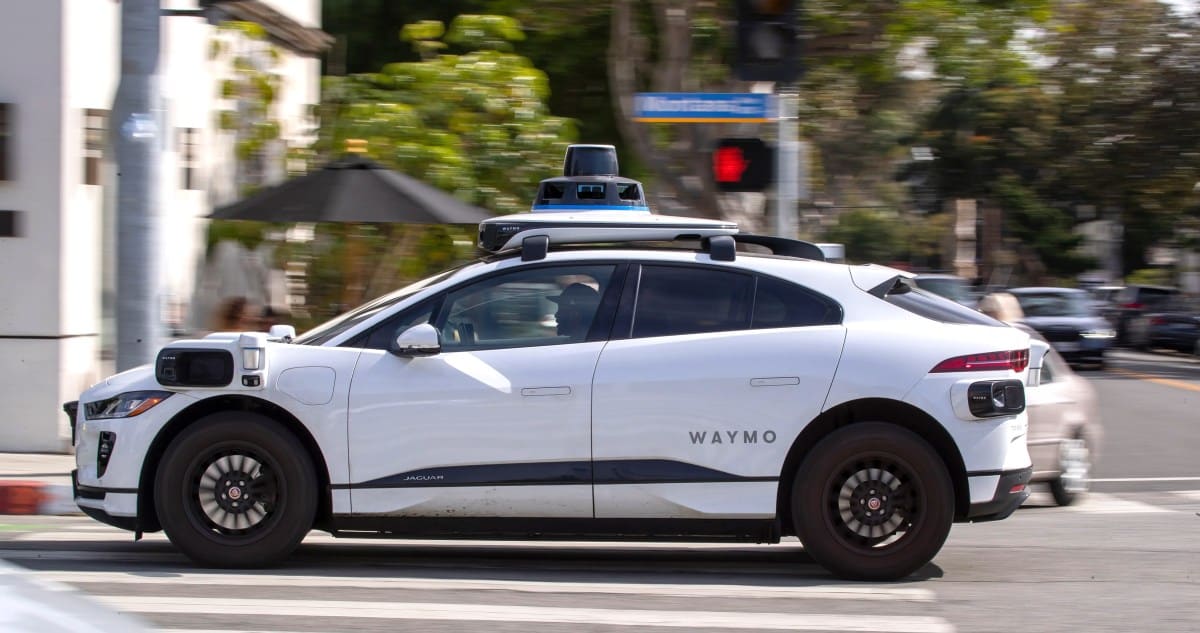
Transdev, the contractor that manages Waymo's safety-operator workforce, logged 16 injuries across San Francisco, Los Angeles, and Phoenix tied to autonomous software behavior. Five occurred in 2024; eleven followed in 2025. The majority involved hard braking with no apparent external trigger. In one case documented in September 2025, a Phoenix-based operator was sidelined for 157 days after what Transdev described as an "exaggerated braking event without any obstruction."
Another incident from August 2025 in Los Angeles resulted in 175 days away from work. The report noted that children were playing near the roadway, prompting an emergency stop forceful enough to injure the operator.
A separate case from 2024 involved a parking maneuver gone wrong: the vehicle "suddenly backed up" and "whipped the steering wheel," catching the operator's hand and fracturing his wrist. He spent more than two months off duty.
Zoox, meanwhile, reported as many as eight worker injuries linked to hard braking or system shutdowns during the same period. Seven of the eight entries explicitly reference brake jabs, nogos (internal terminology for full system shutdowns), or harsh stops. The eighth involved extreme back pain following a test drive in Las Vegas; the operator was unsure whether vehicle behavior caused the injury but noted difficulty breathing and driving afterward. That worker remained off full duty for 46 days.
The Pattern Behind the Reports
Only companies classified as taxi, limousine, or transit services face heightened OSHA disclosure requirements, and only establishments with 100 or more employees must report. That means injuries in newer, smaller test sites may not surface in public data. Waymo's fleet grew from around 1,500 commercial vehicles in May 2025 to more than 3,500 today; the test fleet almost certainly expanded in parallel as the company entered Austin, Atlanta, and Washington, D.C.
Zoox, which launched its first paid service in Las Vegas this month using a purpose-built vehicle without steering wheel or pedals, operates modified Toyota Highlander SUVs for testing. According to five current and former contractors who spoke on condition of anonymity, brake jabs remain a live issue. One described scenarios in which a vehicle traveling at 45 miles per hour will trigger a nogo mid-traffic, forcing the operator to assume manual control in a split second while absorbing the deceleration shock.
The contractors said brake jabs can occur multiple times per drive, often when the perception stack misidentifies road debris or shadow patterns. Higher-speed events inflict the most physical damage. One contractor noted that even the training process for manual braking, complicated by the extra sensor-suite weight on the Highlanders, can result in minor injuries.
Regulatory Disclosure and Corporate Response
OSHA's Injury Tracking Application requires annual submissions the following calendar year, so 2026 data will not be available until 2027. Neither Waymo nor Zoox provided answers to specific questions about injury trends or corrective measures.
Waymo issued a statement emphasizing the importance of safety and noting that "tens of millions of miles" with human operators behind the wheel form part of its validation process. The company did not address the reported injuries directly. Transdev declined to comment.
Zoox acknowledged that hard braking can be unavoidable and framed the reported injuries as a small fraction of total test mileage. The company declined to discuss whether brake-jab frequency has declined since a federal recall issued in 2025, which addressed unexpected braking behavior under investigation by the National Highway Traffic Safety Administration. Four of Zoox's reported injuries occurred after that recall. Zoox maintains the post-recall incidents are unrelated to the software patch, describing the original issue as "extremely narrow."
Implications for Fleet Operations
The injuries raise labor and liability questions that extend beyond algorithmic performance. Test operators occupy a uniquely exposed position: they must remain alert for edge cases while enduring the physical consequences of software decisions made in milliseconds. As fleets scale and testing accelerates, the rate of these incidents appears to track fleet size and geographic expansion rather than diminishing with system maturity.
Zoox's purpose-built vehicles, which carry passengers without manual controls, present a different reporting dynamic. Injuries to non-employee passengers would not appear in OSHA data. The company has reported two incidents to NHTSA in the past eight months in which hard braking for debris resulted in rear-end collisions, though neither filing specifies what the perception system detected.
For Waymo, the tension lies in balancing rapid market expansion with the operational reality that human validators remain essential to the development loop, even as commercial service scales. The 175-day injury stemming from a child-safety stop in Los Angeles underscores the challenge: the system may have performed as designed from a passenger-safety standpoint, yet the operator bore a cost that will not appear in any public safety metric the company publishes.
The Road Ahead
The autonomous vehicle industry has long argued that removing human error from the driver's seat will yield net safety gains. That calculus has not yet accounted for the humans still in the seat during the testing and validation phases that make commercial deployment possible. As both Waymo and Zoox push toward denser urban operations and longer service hours, the physical demands on test operators are likely to intensify before they recede.
At DailyTechWire, we've observed that transparency in high-growth technology sectors often lags operational scale. OSHA's disclosure framework offers a rare window into the labor conditions underpinning the autonomy race. Whether the injury rates stabilize, decline, or continue to track fleet growth will depend not only on algorithmic refinement but on how seriously companies treat the ergonomic and procedural safeguards for the workers who remain, for now, indispensable to the mission.