Apple Targets 2027 for Entry MacBook Pro Refresh
Cupertino is testing a design overhaul for its 14-inch model while four new iPad Pros enter pre-launch validation, part of a broader hardware cadence shift.
A Two-Track Hardware Push
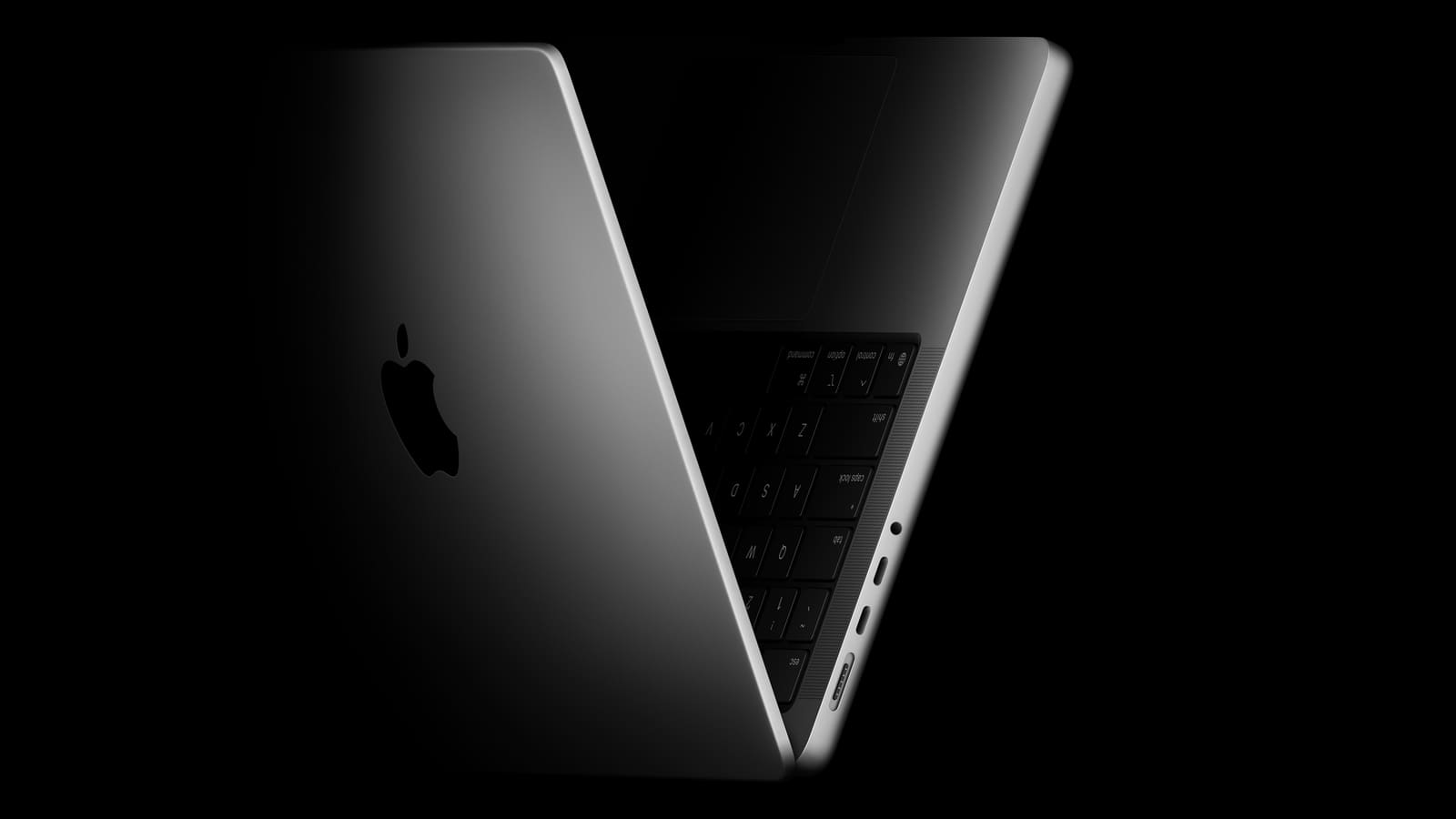
Apple has begun internal testing on a redesigned entry-level MacBook Pro, with engineering teams targeting the first half of 2027 for commercial release. At the same time, four distinct iPad Pro configurations are moving through validation phases ahead of a spring debut. The dual effort reflects Cupertino's attempt to shorten the gap between major hardware updates, a shift that could compress margins for competitors in both laptop and tablet segments.
The 14-inch MacBook Pro remains the anchor of Apple's portable Pro lineup by volume, accounting for a significant share of enterprise deployments across Asia-Pacific markets. A design refresh at this price tier typically signals broader architectural changes rippling upward to higher-margin SKUs, and early indications suggest this cycle will follow that pattern.
Design Language Converging Across the Lineup
The forthcoming entry MacBook Pro will adopt a visual and structural language consistent with a separate family of touch-enabled MacBooks already in advanced development, according to Apple's internal roadmaps. Those touch-screen models are slated to ship between late 2026 and early 2027, creating a narrow launch window where both product lines will arrive in quick succession.
At DailyTechWire, we've tracked Apple's incremental moves toward touch input on macOS hardware since the company filed a cluster of haptic-feedback patents in 2023. The decision to unify design cues across touch and non-touch SKUs suggests Apple is preparing the market for a gradual convergence, rather than a hard pivot that might alienate its professional user base.
Keeping the 14-inch form factor is a pragmatic choice. Supply-chain partners in Taiwan and South Korea have already tooled production lines for that panel size, and maintaining it reduces retooling costs while Apple experiments with input modalities. The move also preserves compatibility with existing accessories and docking solutions, a key concern for corporate IT buyers who represent a large share of Pro-tier revenue.
iPad Pro Updates Lean on Silicon and Internals
The four iPad Pro variants entering testing prioritize internal component upgrades over exterior redesign. Apple is focusing on performance and efficiency improvements, likely driven by a next-generation M-series chip and possibly enhanced thermal management to support sustained workloads in creative and development workflows.
Spring timing aligns with Apple's historical iPad refresh cadence, but the decision to test four distinct models is notable. It suggests a broader segmentation strategy, potentially splitting configurations by storage tier, cellular connectivity, and display technology. The company has previously used iPad Pro launches to introduce new panel suppliers or test advanced manufacturing processes before scaling them to iPhone production.
For Apple, the iPad Pro remains a bridge product, serving users who want desktop-class performance in a tablet form but are unwilling to commit to a full macOS device. Incremental updates keep the line competitive against Samsung's Galaxy Tab S series and Lenovo's ThinkPad X1 tablets, both of which have gained traction in enterprise procurement cycles across Southeast Asia and India.
Strategic Timing and Competitive Pressure
The overlapping timelines for MacBook Pro and iPad Pro refreshes indicate Apple is compressing its product calendar. Historically, the company has staggered major launches to maintain a steady drumbeat of announcements and avoid cannibalizing sales. The shift toward clustered releases may reflect heightened competition from Qualcomm-powered Windows devices and the maturation of ARM-based PC architectures, which have eroded Apple's performance-per-watt advantage.
In China, where Apple faces regulatory scrutiny and declining iPhone market share, refreshing the Pro lineup could help stabilize revenue from its creative and developer segments. Anecdotal signals from Shenzhen and Beijing suggest that video editors and software engineers, two groups historically loyal to Apple hardware, have been evaluating alternatives from Huawei and Lenovo as those vendors roll out competitive ARM and x86 workstations.
The touch-screen MacBook rollout carries execution risk. macOS has never been optimized for direct touch input, and Apple's reluctance to merge iPadOS and macOS means the company will need to retrofit interface elements without alienating power users who rely on keyboard-driven workflows. If the entry MacBook Pro adopts touch-adjacent design elements like larger trackpads or gesture-sensitive bezels, it could serve as a transitional step, easing the user base into a new interaction model without forcing immediate adoption.
What This Means for the Hardware Cycle
Apple's decision to refresh the entry MacBook Pro in early 2027, rather than holding it until the fall, suggests the company is decoupling its laptop cadence from the annual iPhone event. That decoupling could allow for more aggressive spec updates and faster responses to component availability or competitive moves. It also creates more frequent opportunities to capture enterprise refresh budgets, which often operate on fiscal-year cycles that don't align with Apple's traditional September-October launch windows.
For the broader PC market, a redesigned entry MacBook Pro at the $1,299 to $1,499 price band would intensify pressure on Dell, HP, and Lenovo, all of which have been gaining share in the premium laptop segment with AI-focused messaging and longer battery life. If Apple integrates on-device inference capabilities or enhanced Neural Engine features into the new design, it could leapfrog the current generation of Copilot Plus PCs and force Windows OEMs to accelerate their own silicon roadmaps.
The iPad Pro updates, while less dramatic, serve as a hedge. Tablet shipments have stagnated globally, but the Pro tier remains a high-margin category where Apple can command premium pricing. Incremental improvements in performance and efficiency keep the product competitive without requiring the kind of risky, capital-intensive redesign that might alienate existing users or complicate supply-chain relationships.
Apple's hardware strategy is entering a phase where refresh cycles are shorter, product lines are more tightly coupled, and the boundary between tablet and laptop is deliberately blurred. The entry MacBook Pro redesign and the spring iPad Pro launches are early signals of that shift, and how the market responds will shape Cupertino's product planning through the end of the decade.