Tesla Brings Unsupervised Robotaxis to West Miami as Competition Heats Up
The EV maker's latest deployment targets a slice of Miami already served by Waymo, with Orlando and Tampa in the pipeline as its autonomous ambitions expand across Florida.
Stepping into a Crowded Field
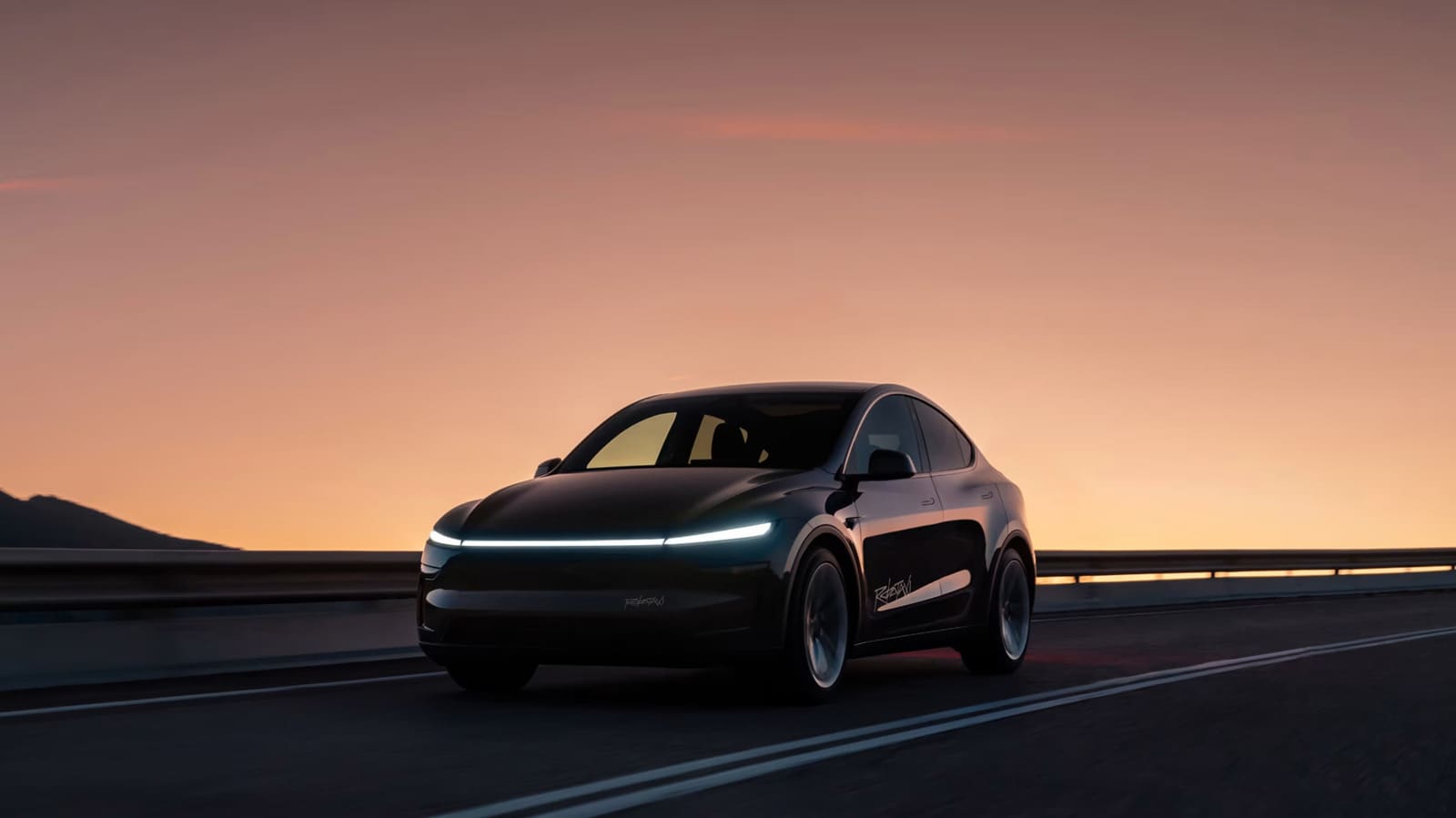
West Miami residents can now hail a Tesla robotaxi without a human safety driver behind the wheel. The company activated service in a limited section of the metropolitan area this week, marking its third major deployment following earlier launches in Texas cities. At DailyTechWire, we've tracked the measured geographic rollout strategies of autonomous vehicle operators, and Tesla's approach mirrors the pattern: start outside the urban core, gather operational data, then expand inward.
The vehicles are operating fully unsupervised, a technical milestone that distinguishes this deployment from the monitored test programs that characterized early rollouts in Austin. Videos shared by riders show empty driver seats as the cars navigate West Miami streets, a visual that continues to spark debate over readiness thresholds for removing human oversight.
Why Miami, Why Now
Miami represents a strategic beachhead for Tesla in a metro already hosting Waymo's commercial service, which began operations in January. Zoox has been running employee test rides in the area throughout this year as it prepares its own public launch. The convergence reflects broader industry calculus: South Florida offers year-round testing conditions, a tourist economy accustomed to transportation experimentation, and regulatory frameworks that have so far accommodated multiple autonomous operators.
Tesla's decision to enter Miami also signals confidence in its sensor suite and software stack under conditions that differ meaningfully from Texas. The region's afternoon thunderstorms, dense pedestrian traffic in certain corridors, and driving behaviors shaped by a high proportion of visitors all present validation opportunities for perception and planning algorithms.
The Expansion Playbook
Tesla's approach in Miami follows the template it established earlier this year in Dallas and Houston: initial service zones avoid downtown congestion, allowing the system to mature in environments with fewer edge cases per mile driven. The company expanded its Austin service area to cover the entire metro last month, suggesting a timeline measured in weeks or months rather than quarters for Miami's geographic growth.
This staged rollout contrasts with the more cautious cadence of competitors who have spent years in single markets before adding new cities. Tesla's faster pace reflects both its willingness to accept higher public visibility of system limitations and a business model that treats each deployment as a data-gathering exercise feeding back into over-the-air software updates across the fleet.
Florida's Robotaxi Future
Tesla has outlined plans to bring autonomous ride-hailing to Orlando and Tampa, positioning Florida as a core geography for its near-term network buildout. Phoenix and Las Vegas also appear on the company's roadmap, markets where extreme heat and Strip traffic respectively offer distinct operational challenges.
The Florida expansion carries economic implications beyond ride revenue. Tourism infrastructure in Orlando and Tampa could integrate robotaxi fleets as airport connectors and theme-park shuttles, use cases that generate high utilization rates and predictable route patterns. These applications may prove more immediately viable than general-purpose urban mobility, where demand fluctuates and routing complexity increases costs.
Technical and Competitive Context
Tesla's unsupervised operation in Miami rests on a vision-only sensor architecture, eschewing the lidar systems that Waymo and Zoox rely on for redundancy. This architectural choice reduces per-vehicle hardware costs but places greater weight on software's ability to interpret camera feeds under varied lighting and weather. The company's willingness to deploy without lidar in a new city indicates internal confidence that its neural networks can handle Miami's specific conditions, though independent safety benchmarking remains limited.
Waymo's head start in Miami gives it an advantage in fleet knowledge of local road quirks, construction patterns, and high-traffic event venues. Tesla will need to compress the learning curve that typically accompanies new-market entry, a challenge mitigated somewhat by the transferability of driving skills learned in other metros but complicated by Miami's unique infrastructure and driver norms.
What Remains Uncertain
The competitive dynamics in Miami will test whether the robotaxi market can support multiple operators in a single metro, or whether network effects and unit economics favor consolidation. Rider preferences may segment by factors like vehicle comfort, wait times, pricing, and perceived safety, creating niches for different players. Alternatively, the market may tip toward whichever operator achieves the density required to offer sub-five-minute pickup times citywide.
Regulatory variables also linger. Florida has taken a permissive stance toward autonomous vehicle testing and deployment, but a high-profile incident in any operator's Miami fleet could shift the policy environment rapidly. The absence of federal autonomous vehicle standards means state and local authorities retain significant discretion, and public sentiment remains a meaningful input into their decision-making.
Tesla's expansion into West Miami represents both an operational milestone and a competitive gauntlet. The company is moving faster than incumbents anticipated, but speed advantages erode quickly if safety or reliability gaps emerge. The next six months will reveal whether Tesla's architecture and deployment tempo can deliver the service quality needed to win riders in a market where alternatives already exist.