Apple Pitches Revenue-Share Model to Publishers for Siri AI Content
Cupertino's variable-compensation approach diverges sharply from OpenAI's upfront licensing playbook as the race for fresh training data intensifies.
A Different Deal Structure
Apple has opened talks with news publishers to license editorial content for Siri AI, proposing a variable-compensation framework that pays organizations only when their material surfaces through the assistant. The multi-year agreements under discussion would grant Apple rights to deliver breaking news and reference information via the redesigned Siri, scheduled to ship with iOS 27 later in 2026.
The payment structure represents a notable shift from the guaranteed-fee arrangements that have become standard in the generative-AI sector. OpenAI, Anthropic, and other frontier labs have typically offered publishers fixed sums in exchange for broad corpus access, locking in training rights regardless of how frequently individual articles appear in model outputs. Apple's approach ties compensation directly to usage, a model that could appeal to outlets confident in their reach but may leave smaller publishers exposed to unpredictable revenue.
At DailyTechWire, we have tracked how licensing negotiations have evolved since late 2023, when The New York Times sued OpenAI and Microsoft. Since then, more than a dozen major publishers have signed deals with AI labs, most involving seven-figure annual minimums. Apple's variable-payment proposal suggests the company believes it can secure content without the upfront commitments that have strained startup budgets and drawn scrutiny from investors.
Why Apple Needs Fresh Content Now
Siri AI will rely on real-time information pipelines to answer queries about current events, stock movements, weather, and local services. Traditional web-scraping and cached search results fall short when users expect conversational answers grounded in the past hour's reporting. Publishers hold the infrastructure, credibility, and speed that Apple needs to compete with Google Assistant and Alexa, both of which already pull from news APIs and syndication feeds.
Apple has licensed publisher content before. Earlier agreements secured training rights for machine-learning projects, though the scope and pricing of those deals remain undisclosed. The current outreach appears broader, targeting not just training corpora but ongoing content delivery as Siri fields millions of daily queries.
The timing aligns with Apple's partnership with Google to adapt Gemini models for on-device and cloud inference in Siri AI. Google's own publisher relationships, including deals with News Corp and Axel Springer, may have informed Apple's strategy. By negotiating directly rather than relying solely on Google's existing licenses, Apple retains control over terms and avoids potential conflicts if its partnership with Google shifts.
The Economics of Pay-Per-Use
Variable compensation introduces uncertainty for publishers already navigating declining ad revenue and platform dependencies. A major outlet might see meaningful income if Siri surfaces its breaking-news alerts thousands of times per day across Apple's installed base. A regional or specialist publication, by contrast, could earn negligible sums if queries rarely match its coverage areas.
The model also raises questions about attribution and measurement. Will Apple disclose how often it uses each publisher's content? Will payouts reflect the length of excerpts, the prominence of display, or simply binary usage? Without transparent reporting, publishers may struggle to audit payments or negotiate improvements.
From Apple's perspective, the structure caps costs and aligns incentives. Publishers that produce timely, high-quality content will earn more, theoretically encouraging investment in the journalism Siri needs. Apple avoids the risk of overpaying for archives that users seldom request. Yet the asymmetry of information and bargaining power means Apple will likely dictate both the pricing formula and the audit mechanisms.
Siri AI's Rocky Path to Market
Apple first previewed the redesigned Siri at WWDC 2024, then went silent for two years before resurfacing the project at this year's developer conference. The gap reflected internal debates over architecture, privacy, and competitive positioning. By 2026, ChatGPT had embedded itself in enterprise workflows, Google had unified Gemini across Search and Workspace, and Amazon had woven generative AI into Alexa's shopping and smart-home functions. Apple's delay left it playing catch-up in a category it arguably invented with the original Siri launch in 2011.
Early hands-on testing reveals a more capable assistant: faster response times, better context retention across turns, and fewer catastrophic misunderstandings. Yet the bar has risen. Users now expect multi-step reasoning, seamless integration with third-party services, and answers that feel researched rather than templated. Siri AI meets some of those expectations but still lags the fluency and breadth of ChatGPT or Gemini in complex queries.
Apple's partnership with Google addresses the model-performance gap, but content licensing tackles a different bottleneck. No amount of parameter tuning will help Siri answer "What happened in the election overnight?" if it lacks access to this morning's reporting. Publishers control that pipeline, and Apple's outreach signals recognition that the assistant's utility hinges on data recency as much as model sophistication.
What Publishers Stand to Gain or Lose
For publishers, the calculus is complicated. Participating in Siri AI could drive brand visibility and referral traffic if Apple includes bylines or outlet names in responses. It could also normalize the expectation that AI assistants deliver synthesized answers without clickthroughs, further eroding direct audience relationships.
Revenue predictability matters. A fixed annual fee offers budget certainty and justifies newsroom investment. A usage-based payout might exceed that fee or fall far short, depending on query patterns Apple does not share in advance. Publishers with strong SEO and social traffic may see Siri as incremental upside; those already struggling may view it as another platform extracting value without fair compensation.
Legally, the agreements will need to address derivative works, sublicensing, and liability. If Siri misattributes a fact or generates a defamatory summary, who bears responsibility? Standard indemnity clauses may not cover generative outputs, leaving publishers exposed. Apple's reputation for tight legal terms and non-disclosure provisions means many details will remain hidden, even as the deals shape the economics of digital journalism.
The Broader AI Licensing Landscape
Apple's move arrives amid a wave of similar negotiations across the industry. OpenAI has signed deals with Axel Springer, The Associated Press, and Financial Times. Google extended its News Showcase program and struck separate AI-training agreements. Perplexity launched a revenue-share program for publishers whose content appears in its answers, though early participant feedback has been mixed.
The proliferation of deals has not resolved underlying tensions. Many publishers argue that fair compensation requires payment for both training and inference, a stance that would significantly increase costs for AI companies. Some have called for collective bargaining or regulatory intervention, pointing to the market-power imbalances that allow a handful of tech giants to set terms.
Apple's variable-payment proposal could become a template or a cautionary tale. If it delivers meaningful revenue and preserves editorial integrity, other platforms may adopt similar structures. If payouts disappoint or attribution proves opaque, publishers may push back harder, potentially through litigation or coordinated refusal to license.
What Comes Next for Siri AI
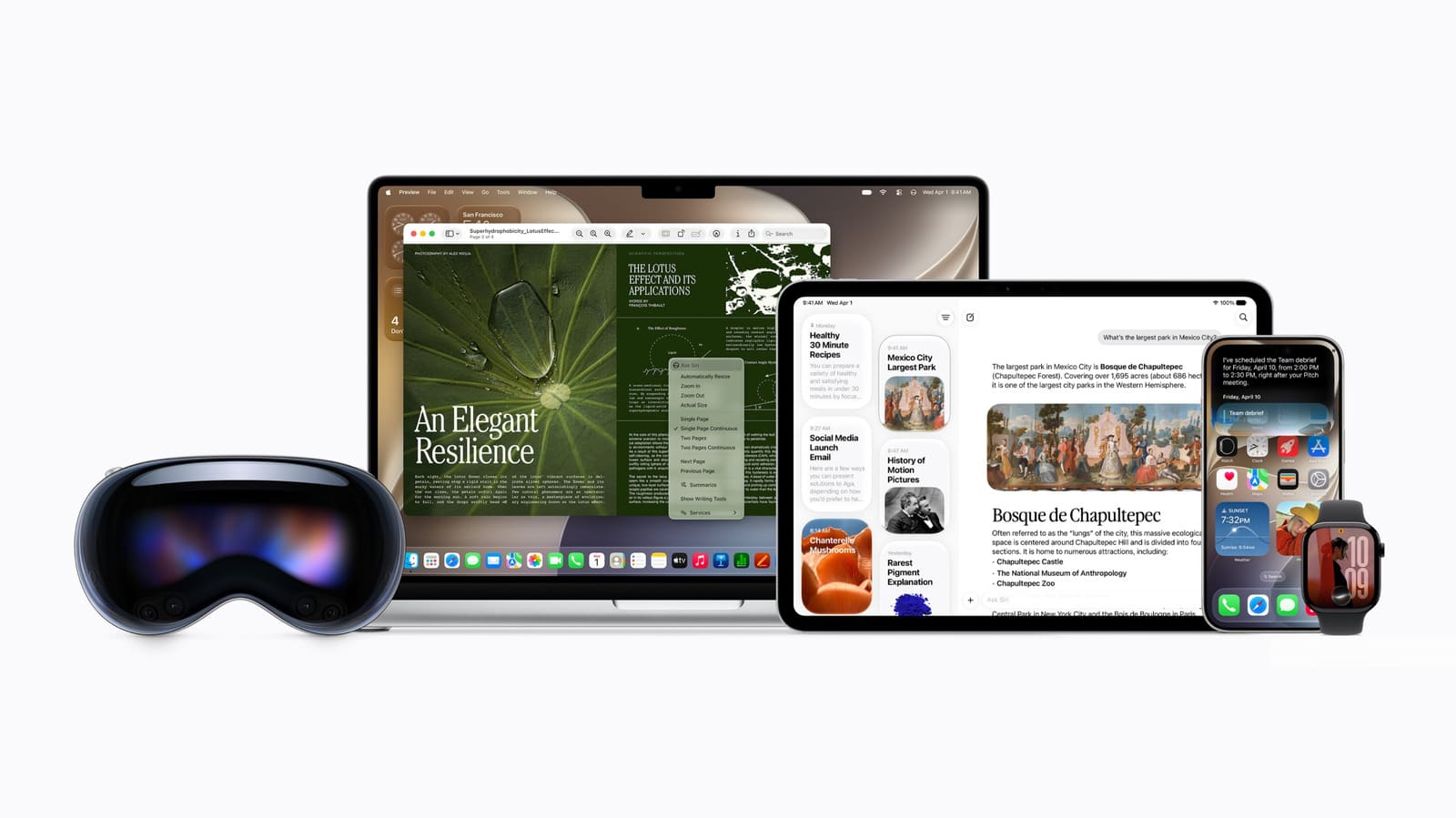
iOS 27 is expected to enter public beta in the coming months, with general availability likely before year-end. Siri AI will debut on iPhone, iPad, and Mac, with HomePod and Apple Watch support to follow. The assistant's success will depend not only on model performance and content licensing but also on user trust, particularly around privacy and data handling.
Apple has emphasized on-device processing and differential privacy in its messaging, contrasting its approach with cloud-heavy rivals. Yet real-time news delivery and complex reasoning often require server-side inference, raising questions about how much data leaves the device and how long Apple retains query logs.
For publishers, the next few months will clarify whether Apple's licensing model offers a sustainable path forward or simply another extractive relationship dressed in new terms. For Apple, the negotiations represent a test of whether it can build a competitive assistant without adopting the aggressive data-acquisition strategies that have drawn regulatory scrutiny elsewhere in the industry. The answers will shape not just Siri's capabilities but the broader market for AI-powered information services across Asia and beyond.