Amazon Powers AI Growth With Natural Gas, Raising Climate Questions
The e-commerce giant's Texas data center project leans on fossil fuel generation as regulators ease environmental oversight
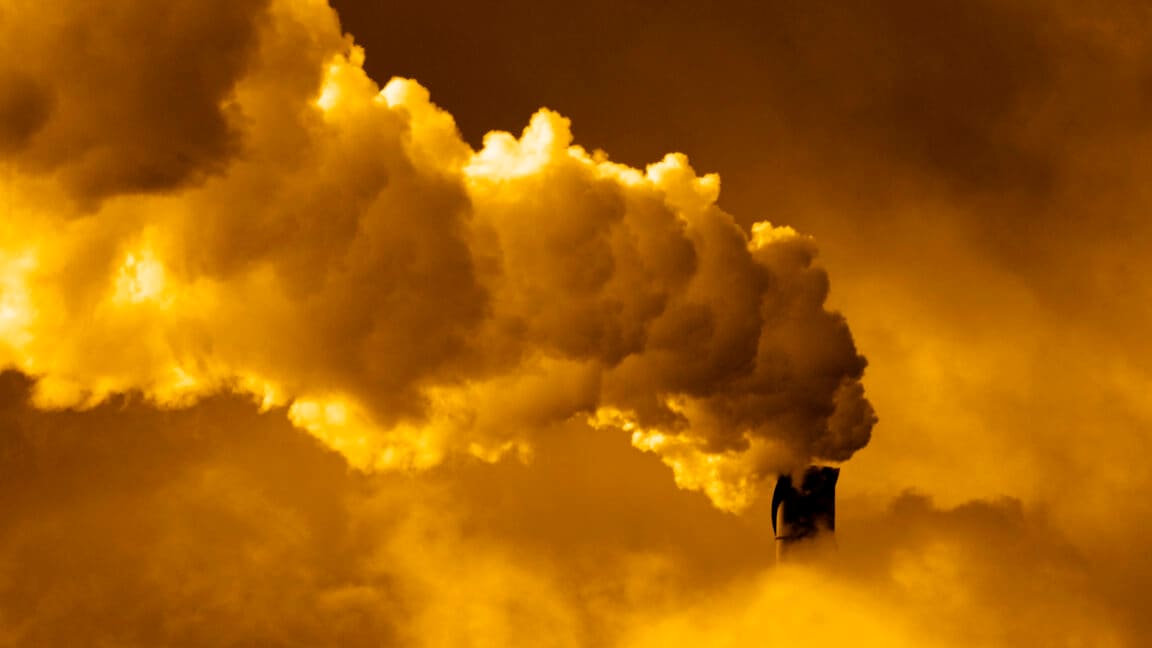
The Infrastructure Behind the Algorithm
Amazon's bet on artificial intelligence now includes a natural gas power plant in Texas projected to generate substantial climate emissions. The facility, designed to supply electricity for data center operations, represents a growing trend across the tech sector: coupling compute infrastructure directly with fossil fuel generation rather than relying on grid connections.
The scale of the Texas plant has drawn scrutiny from environmental observers. Preliminary assessments suggest it may rank as one of the highest-emitting single facilities in the United States once operational, placing Amazon's AI ambitions in tension with its public climate commitments. At DailyTechWire, we've tracked how hyperscalers navigate the collision between compute demand and decarbonization targets; this project illustrates the compromises emerging as training runs and inference workloads outpace clean-energy availability.
Natural gas combustion releases carbon dioxide, methane during extraction and transport, and pollutants including nitrogen oxides and particulate matter. Epidemiological research links these emissions to respiratory illness, cardiovascular disease, and premature mortality, concerns that resonate in communities adjacent to power generation sites.
Policy Tailwinds for Speed Over Review
Regulatory shifts under the current administration have accelerated approval timelines for energy projects tied to data centers. Fast-track mechanisms, which can bypass traditional environmental permitting, aim to reduce bottlenecks for infrastructure the White House views as strategically important. Proponents argue that speed is necessary to maintain competitiveness in AI development; critics counter that streamlined review sacrifices public health safeguards and community input.
Amazon's Texas facility benefits from this policy environment. Standard permitting for a plant of this capacity would typically involve air-quality modeling, public comment periods, and mitigation requirements. Fast-tracking compresses or eliminates many of these steps, enabling construction schedules measured in months rather than years.
The approach mirrors broader regulatory philosophy: treat AI infrastructure as critical national interest, analogous to defense or telecommunications. For hyperscalers racing to secure compute capacity, the appeal is obvious. For local governments and advocacy groups, the trade-off raises questions about who bears the environmental cost of the AI boom.
Off-Grid Data Centers as a New Norm
Amazon is not alone in pursuing on-site generation. Since the spring of 2025, xAI's Colossus facility has relied on gas turbines to power what the company describes as the largest single AI training cluster in operation. That project, backed by Elon Musk, sparked public opposition in Tennessee, where residents challenged the decision to operate independently of the regional grid.
Off-grid configurations offer two advantages: immunity to transmission constraints and guaranteed uptime. Public grids in high-demand regions face congestion, particularly during peak hours. Hyperscalers building frontier models cannot tolerate training interruptions; a single outage can cost days of compute time and millions in wasted electricity. Dedicated generation eliminates that risk.
Yet the model also externalizes emissions. Grid-connected data centers, even those consuming fossil power, contribute to aggregated demand that utilities can gradually green through renewable procurement and storage. Off-grid plants lock in fossil fuel dependency for the life of the asset, typically two to three decades. Unless retrofitted for carbon capture or hydrogen combustion, both technologies still at pilot scale, these facilities will emit throughout their operational span.
The Arithmetic of Compute and Carbon
Amazon Web Services remains the world's largest cloud provider by revenue, a position that brings both leverage and scrutiny. The company has pledged net-zero carbon by 2040 and committed to matching 100 percent of electricity consumption with renewable energy purchases. Those goals, however, allow for offsets and renewable energy credits, mechanisms that do not eliminate physical emissions from on-site generation.
The Texas plant complicates the arithmetic. If the facility ranks among the top emitters nationally, its output will dwarf the carbon savings from solar farms or wind power purchase agreements elsewhere in Amazon's portfolio. Emissions accounting under current disclosure standards lets companies report net figures, but the atmospheric impact of localized, high-concentration pollution differs from distributed grid emissions.
Data center electricity demand in the United States is forecast to double between 2023 and 2028, driven almost entirely by AI workloads. Training a large language model can consume as much power as several thousand homes use in a year; inference at scale, while less intensive per query, accumulates quickly across millions of users. Hyperscalers are scrambling to secure gigawatts of new capacity, and natural gas offers the only dispatchable, scalable option available on the timelines AI roadmaps require.
Community Pushback and the Permitting Battle
Opposition to gas-linked data centers has coalesced around environmental justice arguments. Low-income and minority communities disproportionately host power plants and bear health burdens from air pollution. In Texas, advocacy groups have called for comprehensive environmental impact statements and enforceable emissions limits, arguing that fast-tracked approvals circumvent protections embedded in federal and state law.
Legal challenges are underway in multiple jurisdictions. Plaintiffs contend that skipping full review violates the National Environmental Policy Act, which mandates assessment of significant federal actions. The administration's position is that streamlined approval falls within executive discretion over infrastructure priorities, a stance courts have yet to fully adjudicate.
For Amazon, the reputational risk is nontrivial. The company markets sustainability as a core value and faces pressure from employees, investors, and customers to align operations with climate science. A facility that becomes a top-ten national emitter will feature prominently in shareholder resolutions and activist campaigns, regardless of how Amazon accounts for it in carbon reports.
What Comes Next
The Texas plant is expected to begin generating power in late 2027, supplying a data center campus designed for AI training and inference. Amazon has not disclosed the facility's nameplate capacity or projected annual emissions, figures that will eventually appear in Environmental Protection Agency databases once operations commence.
Other hyperscalers are watching. Microsoft, Google, and Meta all face similar bottlenecks in securing power for AI infrastructure. The precedent Amazon sets, both in regulatory strategy and public response, will shape how the industry approaches the next wave of capacity additions. If fast-tracked gas plants prove politically and legally sustainable, expect more. If opposition stalls construction or imposes costly mitigation, the calculus shifts toward grid connections, nuclear partnerships, or delayed deployment.
The broader question is whether the AI sector can reconcile its growth trajectory with climate commitments that are, at present, largely voluntary. Hyperscalers have the capital and technical sophistication to lead in clean energy procurement, yet the urgency of compute competition is pushing them toward the path of least resistance. Natural gas is abundant, reliable, and fast to deploy. It is also a fossil fuel, and the atmosphere does not distinguish between emissions from a data center and emissions from any other source.
Amazon's Texas plant will be a test case, both for the viability of off-grid AI infrastructure and for the credibility of corporate climate pledges when they collide with business imperatives. The results will matter far beyond one company or one facility.