San Francisco Yoga Burglary Exposes Gap Between Waymo's Surveillance Capability and Law Enforcement Access
A January theft case reveals how robotaxi operators handle ride footage, privacy protocols, and warrant compliance—complicating public safety debates across Asia's AV deployments
When Privacy Architecture Defeats Criminal Investigation
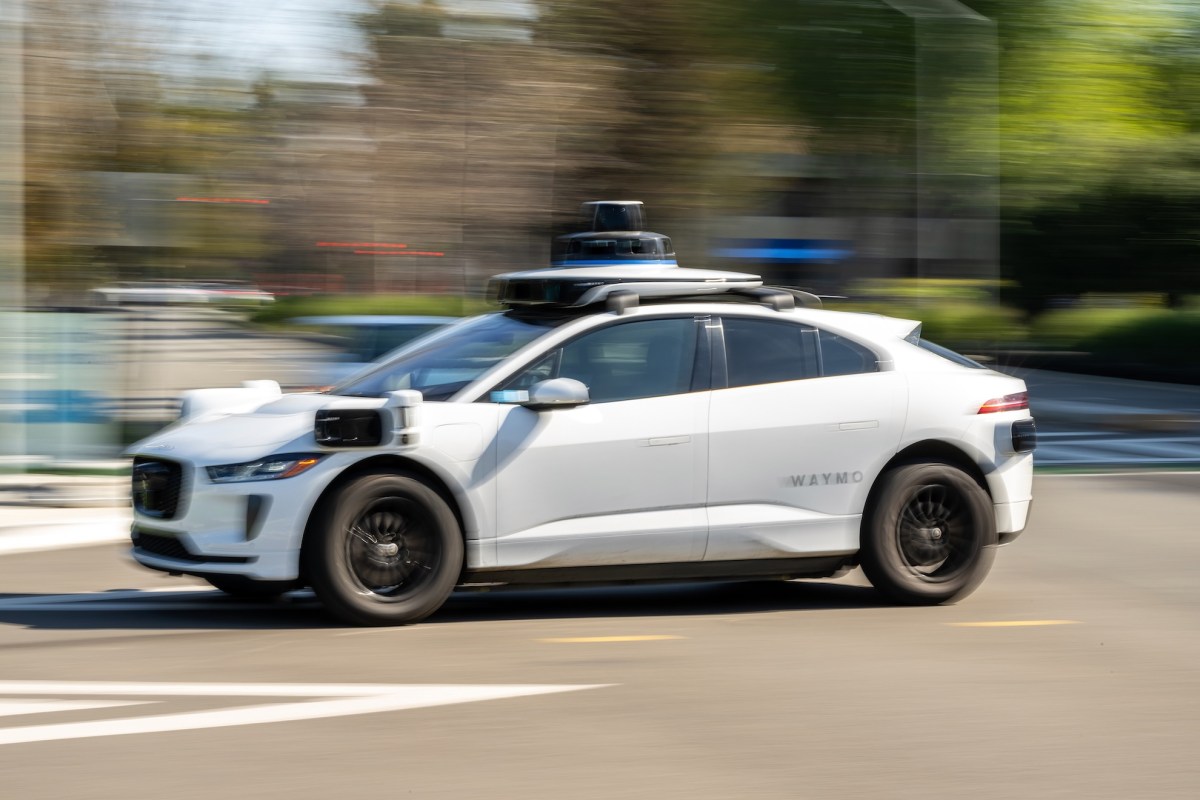
A burglary suspect walked into a San Francisco yoga studio this past January, stole athletic wear, and fled in a Waymo robotaxi—then vanished from the investigative trail entirely. Not because the autonomous vehicle lacked cameras, but because the data architecture designed to protect rider privacy also shielded the perpetrator. By the time police obtained a search warrant in April, the ride footage Waymo had captured was already deleted. Exterior camera feeds that might have identified the suspect had been algorithmically blurred. Even the account information Waymo provided under warrant failed to lead investigators to an arrest.
The case, involving Hot 8 Yoga in San Francisco, crystallizes a tension now rippling through autonomous vehicle deployments worldwide: the same sensor arrays and data pipelines that make robotaxis navigational marvels also create rolling surveillance networks—yet legal frameworks, corporate retention policies, and privacy protocols often leave law enforcement empty-handed when investigations hinge on that footage. At DailyTechWire, we've tracked similar friction points emerging in Seoul's autonomous shuttle trials and Singapore's robo-delivery zones, where municipal authorities are discovering that access to AV-generated evidence is neither automatic nor straightforward.
The Data Retention Black Box
Waymo captures continuous video from multiple angles during every ride, a necessity for both safety monitoring and liability defense. But the company does not publicly disclose how long that footage is stored before deletion—a policy gap that becomes critical when criminal investigations unfold weeks or months after an incident. In the San Francisco yoga burglary, the three-month lag between the January theft and the April warrant filing meant ride footage had already cycled out of Waymo's retention window.
This opacity around retention schedules is not unique to Waymo. Across Asia, where autonomous vehicle pilots are accelerating—AutoX in Shenzhen, Pony.ai in Guangzhou, Nuro in Tokyo suburbs—operators typically cite proprietary data management practices when asked about footage longevity. The result is a patchwork: some jurisdictions mandate minimum retention periods for commercial vehicle camera systems, but few have updated those statutes to account for the volume and granularity of AV sensor data. South Korea's Personal Information Protection Act, for instance, requires consent-based data handling but offers little guidance on how long trip-related footage must be preserved for potential legal or safety review.
The consequence is investigative dead ends. If a suspect uses a robotaxi as a getaway vehicle and police cannot move quickly enough to request data before it auto-deletes, the trail goes cold—even though the vehicle itself was a meticulous recorder of the journey.
Privacy-by-Design as a Double-Edged Protocol
Waymo's exterior camera blurring, which prevented San Francisco police from identifying the yoga burglar via street-facing footage, reflects a deliberate engineering choice: bystander faces and license plates are algorithmically obscured to comply with privacy norms and mitigate surveillance concerns. This design mirrors practices in autonomous vehicle testing across Europe and parts of Asia, where GDPR-style regulations impose strict limits on capturing identifiable personal data without consent.
Yet the same blurring that protects passersby also protects suspects. In the Hot 8 Yoga case, the exterior cameras that might have captured the burglar's face or gait as they exited the vehicle had already applied privacy filters, rendering that footage forensically useless. The irony is sharp: Waymo's sensor suite is sophisticated enough to detect pedestrian micro-movements at intersections, but its data pipeline is engineered to erase the very details police rely on for identification.
This is not a flaw—it is a feature, born from the robotaxi industry's effort to preempt regulatory backlash over mass surveillance. But it introduces a new category of evidence gap. Traditional taxi or rideshare services maintain driver dashcams and account logs that, while imperfect, offer investigative leads. Autonomous vehicles, by contrast, generate vastly more data but route it through privacy-preserving architectures that can obstruct downstream law enforcement use. The question now confronting regulators from Seoul to San Francisco is whether public safety considerations should override or carve out exceptions to privacy-by-design protocols in AV systems.
Account Data Proves Less Useful Than Anticipated
When Waymo complied with the April search warrant, it provided account information tied to the ride used in the burglary. Yet that data did not lead police to the suspect, according to the case details. The reasons remain unspecified—possibilities range from the account being registered under false or minimal identity verification, to the suspect using a prepaid payment method, to simply abandoning the account after the crime.
This outcome underscores a broader challenge: autonomous vehicle operators, unlike traditional taxi companies, often prioritize frictionless onboarding to accelerate user adoption. Waymo's signup process requires a phone number and payment method but does not mandate government ID verification in all markets. The result is that account data, while logged, may not reliably map to a real-world identity—especially if a user intends to obscure their trail.
Across Asia, where mobile payments and pseudonymous digital identities are deeply embedded in consumer behavior, this issue is amplified. A suspect in Shenzhen could theoretically book an AutoX ride using a secondary WeChat account linked to a prepaid card, leaving investigators with a data trail that dead-ends at an anonymized digital persona. Singapore's regulatory framework for autonomous vehicles includes stronger know-your-customer requirements, but enforcement varies, and the balance between user convenience and investigative traceability remains unresolved.
Regional Implications for Asia's AV Rollouts
The San Francisco case arrives as Asian cities accelerate autonomous vehicle deployments, often with less public debate over data governance than in the U.S. or Europe. Seoul's autonomous shuttle program, launched in partnership with 42dot (a Hyundai subsidiary), operates in controlled districts but has yet to face a high-profile criminal case involving ride footage. When that moment comes, South Korea's legal system—which already wrestles with tensions between digital privacy laws and police investigative powers—will confront the same retention and access dilemmas that stymied the Hot 8 Yoga investigation.
In Singapore, where regulatory frameworks tend to be more prescriptive, the Land Transport Authority has begun drafting guidelines for AV data handling, including provisions for law enforcement access. But even there, the technical challenge persists: if footage is auto-deleted before a warrant is filed, no regulation can resurrect it. The solution may require real-time data mirroring or extended retention windows for certain high-risk trip segments—approaches that would increase storage costs and surface new privacy concerns.
China's AV operators face a different calculus. State oversight of digital infrastructure means that companies like Baidu's Apollo and Pony.ai likely retain trip data longer and with fewer privacy filters than their Western counterparts. But this comes with its own trade-offs: centralized data access may aid investigations, yet it also raises surveillance state anxieties that could chill consumer adoption if trust erodes.
Why It Matters
The yoga burglary is a small crime, but the investigative failure it represents is a canary in the coal mine for public safety agencies worldwide. As autonomous vehicles move from pilot programs to commercial scale—Waymo alone now operates thousands of weekly trips across San Francisco, Los Angeles, and Phoenix—they will inevitably be used in the commission of crimes, from petty theft to more serious offenses. If the data these vehicles generate is systematically inaccessible due to retention policies, privacy protocols, or weak account verification, law enforcement will face a growing class of unsolvable cases.
For Asia's tech hubs, the lesson is timely. Seoul, Singapore, and Shenzhen are all positioning themselves as AV-friendly regulatory environments to attract investment and talent. But without clear frameworks governing how long trip data must be retained, under what conditions police can access it, and how to balance rider privacy with public safety, these cities risk replicating the friction San Francisco now faces—except at a scale where millions of daily AV trips generate petabytes of evidence that may or may not be available when needed.
The San Francisco case also highlights a broader paradox: the more autonomous vehicles are engineered to respect privacy, the less useful they become as tools for accountability. This is not an argument for unfettered surveillance, but a recognition that the current equilibrium—where privacy-by-design defaults prevail and law enforcement access is an afterthought—may not hold as AV adoption reaches critical mass. Policymakers will need to decide whether certain categories of footage (e.g., exterior cameras during trips to commercial districts) warrant longer retention or conditional access protocols, and whether account verification standards should be tightened to ensure that ride data can be meaningfully traced to individuals when crimes occur.
The Unanswered Questions Ahead
The Hot 8 Yoga burglar remains at large, a reminder that autonomous vehicles, for all their sensor sophistication, do not automatically make cities safer or more accountable. They shift the locus of evidence from human memory and manual logs to algorithmic data streams—but those streams are only as useful as the policies governing their preservation and access. As Waymo, Cruise, AutoX, and others scale operations across the Pacific Rim, the industry will face mounting pressure to clarify retention timelines, justify privacy filters, and reconcile user anonymity with investigative necessity. The answers will shape not just how robotaxis are regulated, but whether they become trusted infrastructure or rolling blind spots in the urban security landscape.


