Washington Opens Trade Probe After Brussels Hits Google With $1 Billion Fine
The White House is invoking Cold War-era trade law to counter European antitrust enforcement, escalating a years-long clash over digital regulation and market power.
The Announcement and Its Context
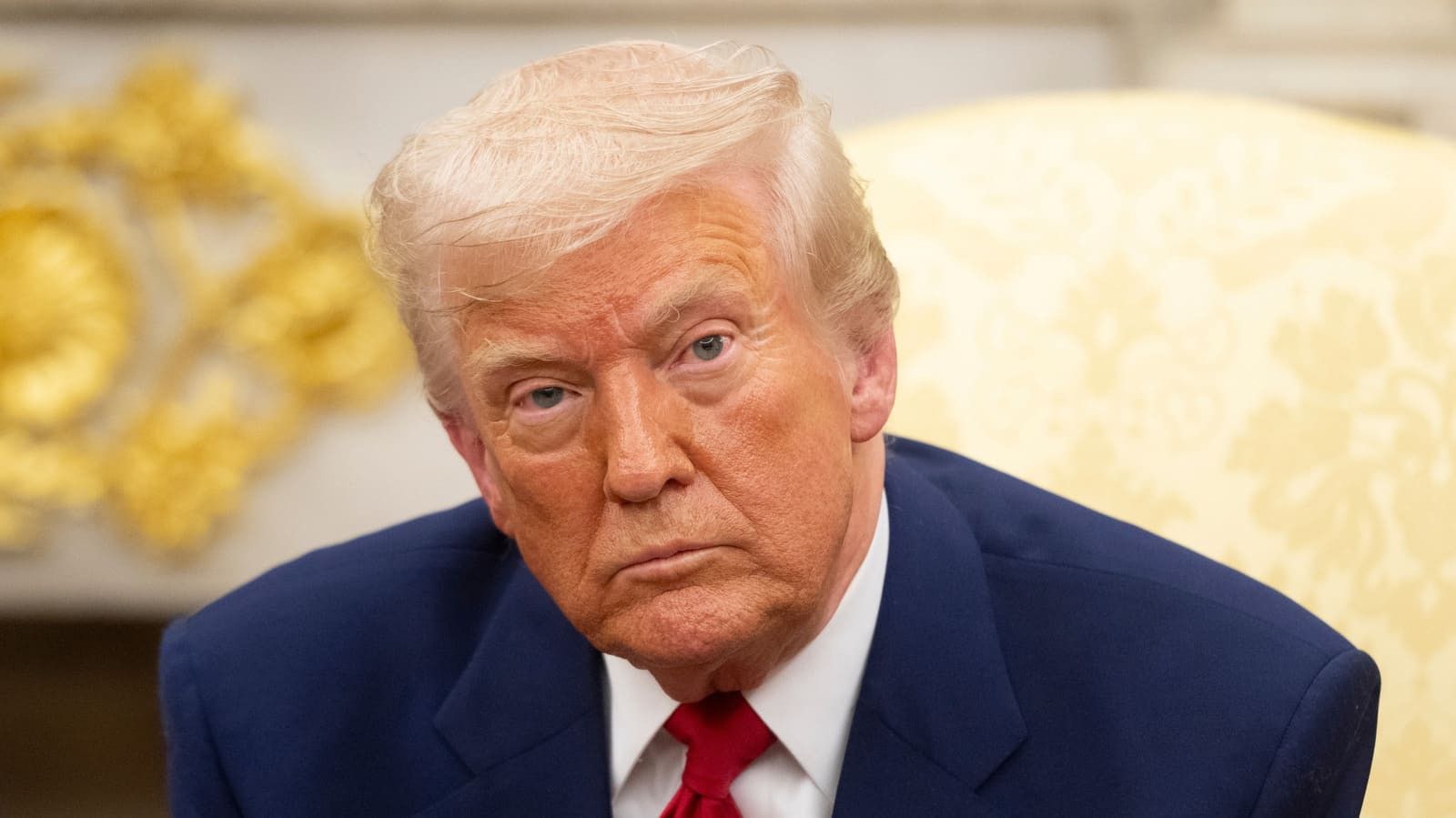
President Donald Trump announced via Truth Social that his administration will initiate a Section 301 investigation into the European Union, explicitly citing recent penalties against American technology companies. The immediate trigger: a €890 million fine imposed on Google by the European Commission, part of a broader enforcement push under the Digital Markets Act.
The statement framed the investigation as a defense of American commerce. Trump characterized EU regulatory actions as unfairly targeting US firms and extracting revenue from American taxpayers, promising the probe would "reverse" existing penalties and likely result in "substantial" tariffs. At DailyTechWire, we've tracked Section 301 investigations for over two decades; they rarely reverse foreign regulatory decisions but frequently reshape trade flows through retaliatory duties.
The timing matters. Since the Supreme Court invalidated the administration's global tariff framework in February, the White House has leaned heavily on Section 301 as one of several statutory workarounds to impose new trade barriers without broad congressional authorization.
What Google Did, According to Brussels
The European Commission's €890 million penalty stems from two distinct violations of the Digital Markets Act. First, Google allegedly manipulated search rankings to favor its own travel and shopping services over third-party competitors. Second, the company restricted developers from advertising alternative payment options within the Google Play Store, effectively locking users into Google's payment infrastructure.
Both practices fall under the DMA's "gatekeeper" provisions, which prohibit dominant platforms from self-preferencing and anti-steering behavior. The regulation, enacted in 2022, applies to companies with annual EU revenue exceeding €7.5 billion and at least 45 million monthly active users in the bloc. Google, Meta, Apple, Amazon, Microsoft, and ByteDance all meet these thresholds.
The Commission has used the DMA to fine Meta for tying Facebook Marketplace to its social network and Apple for restricting third-party app stores. Google's penalty is the largest single enforcement action under the law to date, signaling Brussels' willingness to deploy maximum financial deterrents.
Section 301: A Legal Workaround With Limits
Section 301 of the Trade Act of 1974 grants the US Trade Representative authority to investigate foreign trade practices and impose tariffs when those practices are deemed to burden or restrict American commerce. Originally designed to counter dumping and intellectual property theft, the provision has evolved into a flexible tool for addressing grievances that don't fit neatly into WTO dispute mechanisms.
The administration's reliance on Section 301 has intensified since the Supreme Court's February ruling, which struck down a sweeping tariff regime on constitutional grounds. By invoking the statute, the White House can bypass some legislative constraints, though the process still requires a formal investigation, public comment periods, and publication of findings before tariffs take effect.
Yet Section 301 tariffs are not immune from judicial review. Like the EU fines Trump seeks to counter, they can be challenged in US courts and overturned if found to exceed statutory authority or violate international commitments. The irony is deliberate: both sides are wielding legal frameworks that claim extraterritorial reach but remain vulnerable to domestic judicial constraints.
The Broader Transatlantic Regulatory Divergence
This confrontation is not an isolated incident but the latest flare-up in a structural disagreement over how to regulate digital markets. The EU has embraced ex-ante regulation, setting rules before harm occurs and imposing fines for non-compliance. The US has historically relied on ex-post enforcement through antitrust litigation, a slower process that often results in settlements rather than structural remedies.
That gap has widened as American tech giants have consolidated market power in Europe. Brussels views its fines as necessary to preserve competition in sectors where network effects and data advantages create winner-take-all dynamics. Washington, particularly under this administration, frames those same fines as protectionism disguised as consumer protection.
The economic stakes are significant. US tech companies generate approximately $150 billion in annual revenue from the EU, according to industry estimates. European regulators have collectively imposed over €10 billion in fines on American firms since 2017, primarily targeting Google, Meta, and Apple. If Section 301 tariffs materialize, they would likely target European exports in sectors like aerospace, pharmaceuticals, and luxury goods, areas where the EU holds competitive advantages.
What Happens Next
The Section 301 investigation will unfold over several months. The US Trade Representative must publish a notice, solicit public comments, hold hearings, and issue a determination before any tariffs are imposed. During that window, both sides will engage in formal and informal negotiations. The EU has already signaled it will not rescind fines in response to trade threats, and the Commission has prepared retaliatory measures targeting American agricultural and industrial exports.
For Google, the immediate financial impact is manageable. The company reported $307 billion in revenue for 2025, making the €890 million fine equivalent to roughly three days of global sales. The longer-term concern is precedent. If the DMA's enforcement model proves effective, other jurisdictions may adopt similar frameworks, multiplying compliance costs and fragmenting product strategies across markets.
For the tech sector more broadly, this standoff underscores a growing reality: regulatory arbitrage is narrowing. Companies that once navigated divergent national rules by centralizing operations in favorable jurisdictions now face coordinated enforcement across major economies. The era of light-touch regulation that enabled rapid scaling in the 2010s is giving way to a more contested, legally complex environment where market access and compliance obligations are negotiated at the highest political levels.
The outcome of this particular dispute will hinge less on legal merits than on political calculus. Both administrations face domestic pressures to appear tough, and neither has strong incentives to de-escalate before the investigation concludes. In that sense, the Section 301 probe is as much theater as policy, a signal to constituents that their government is defending national interests even as the underlying regulatory conflicts remain unresolved.