US AI Giants Cut Prices as Chinese Rivals Pressure Market
OpenAI and Anthropic slash model costs amid growing adoption of budget alternatives from Moonshot and DeepSeek across enterprise customers
The New Arithmetic of AI Spending
Enterprise AI bills are forcing a reckoning across boardrooms in San Francisco, London, and Singapore. What began as experimental budgets for large language models has ballooned into seven-figure line items, and finance teams are pushing back. That pressure is reshaping the competitive landscape for foundation model providers in ways few predicted eighteen months ago.
OpenAI announced an 80 percent reduction in pricing for GPT-5.6 Luna, positioning the model as its fastest and most cost-effective option. Anthropic followed with Claude Opus 5, marketing the system as delivering frontier-level performance at half the cost of its flagship Fable 5 model. These moves mark a departure from the premium pricing that characterized the first wave of commercial AI deployment.
At DailyTechWire, we've tracked enterprise AI procurement cycles across the region, and the pattern is consistent: companies that rushed to integrate GPT-4 or Claude in 2024 are now conducting RFPs that prioritize cost per token over brand recognition. That shift has created an opening for providers willing to compete on price rather than pedigree.
Chinese Providers Gain Enterprise Foothold
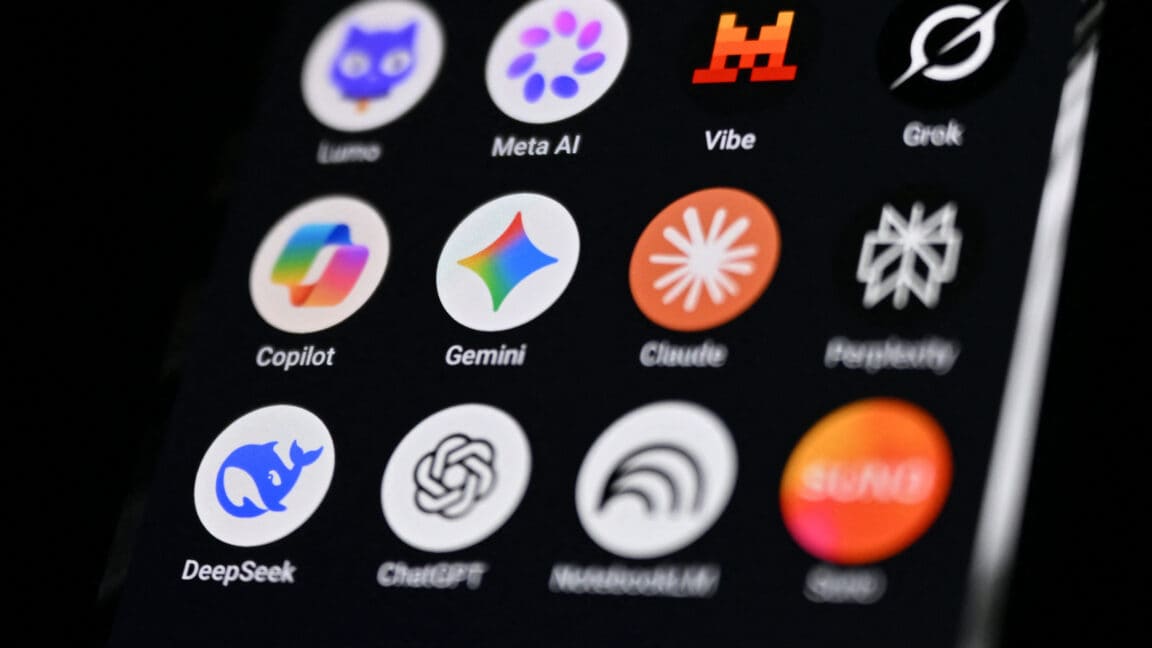
Moonshot and DeepSeek, two Chinese AI labs that remained relatively obscure outside the mainland until recently, are now winning contracts with European SaaS companies and American startups. Their appeal is straightforward: models that perform adequately for common tasks like summarization, translation, and customer support queries, priced at a fraction of what OpenAI or Anthropic charge.
The geographic spread of their adoption is notable. Engineers in Berlin, product managers in Jakarta, and operations teams in Austin are running evaluations and finding that for many production workloads, the performance gap between frontier models and cheaper alternatives has narrowed enough to justify switching. The decision calculus isn't purely technical anymore; it's financial.
This isn't the first time Chinese tech companies have leveraged cost advantages to penetrate Western markets, but the speed at which it's happening in AI is unusual. Unlike hardware or cloud infrastructure, where switching costs are high, changing model providers can be as simple as updating an API endpoint. That low friction accelerates market share shifts.
The Economics Behind the Price War
Foundation model pricing has always been somewhat opaque, tied to inference costs that vary with model size, hardware efficiency, and utilization rates. OpenAI's aggressive cut suggests either dramatic improvements in their inference infrastructure or a strategic decision to defend market share even at lower margins.
Anthropic's approach with Claude Opus 5 is slightly different. By offering a mid-tier model that sits between budget options and their most capable system, they're attempting to segment the market: customers who need cutting-edge reasoning can still pay premium rates for Fable 5, while those focused on cost can step down without leaving the Claude ecosystem entirely.
The broader question is sustainability. If Chinese providers are willing to operate at thin margins or even losses to build market share, Western labs face a choice: match prices and compress their own margins, or cede the cost-sensitive segment and focus on high-value enterprise customers willing to pay for performance, compliance, and support.
Implications for the Regional AI Stack
For companies across Asia building on top of foundation models, this price war is a net positive in the short term. Lower API costs mean more experimentation, longer context windows become affordable, and use cases that were economically marginal suddenly pencil out. Startups in Seoul and Bengaluru that shelved AI features due to budget constraints are revisiting those roadmaps.
But there's a strategic risk. Relying on models from providers engaged in a race to the bottom can create brittleness. If Moonshot or DeepSeek decide to raise prices once they've captured share, or if their service reliability proves inconsistent under scale, companies may find themselves locked into architectures built on unstable foundations.
Western labs, meanwhile, are betting that enterprises will eventually prioritize factors beyond price: data residency guarantees, dedicated support, fine-tuning capabilities, and integration with existing cloud ecosystems. That bet assumes the performance gap remains wide enough to justify premium pricing for mission-critical applications.
What Comes Next
The current pricing environment is unlikely to stabilize soon. As long as Chinese providers continue to gain traction, OpenAI and Anthropic will feel pressure to respond. The wild card is model capability. If one lab achieves a breakthrough that significantly widens the performance gap, they'll have room to raise prices again. Until then, the competitive dynamic favors buyers.
For AI infrastructure investors and companies planning multi-year deployments, the lesson is clear: foundation model costs are no longer predictable, and vendor lock-in carries more risk than it did a year ago. The Asia-forward strategy that makes sense today is building abstraction layers that allow switching between providers without rewriting application logic.
The price war also raises questions about the long-term viability of the current AI business model. If inference costs keep falling but training costs remain astronomical, only a handful of well-capitalized labs will survive. Consolidation seems inevitable, but the timeline and the winners remain uncertain. What's certain is that cost-conscious enterprises now have leverage they lacked twelve months ago, and they're using it.